Committed To Providing Customers With One-Stop Integrated Housing Solutions


Hebei Moerzhan Metal Products Co., Ltd.
Transform Your Living Space: The Innovative World of Foldable Tiny Homes
Apr 22,2025
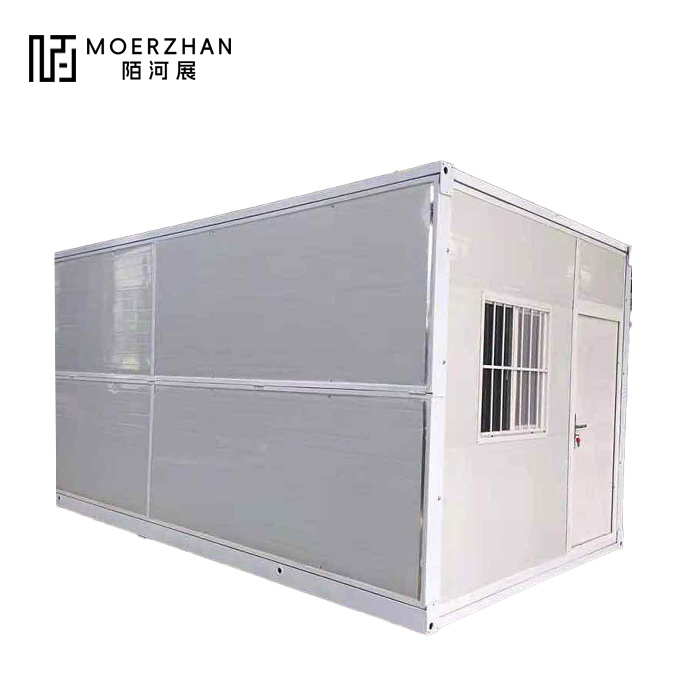
How Foldable Tiny Homes Can Transform Your Living Space
Understanding Foldable Tiny Homes
Foldable tiny homes represent a remarkable fusion of innovation and practicality. Designed to maximize space and minimize environmental impact, these compact dwellings are perfect for modern living. With the rising costs of real estate and a growing emphasis on sustainable living, foldable tiny homes present an appealing solution for various demographics, including minimalists, young professionals, and families seeking to downsize.
The Benefits of Foldable Tiny Homes
Space Optimization and Versatility
One of the most significant advantages of foldable tiny homes is their ability to optimize space. These homes often feature multifunctional furniture that can adapt to different needs, thus enhancing their usability. For instance, a sofa can double as a bed, and a dining table can transform into a workspace. This versatility allows homeowners to enjoy a well-organized living space without feeling cramped.
Cost-Effective Living Solutions
In today’s housing market, affordability is a pressing concern. Foldable tiny homes offer a cost-effective alternative to traditional housing. With lower construction costs and reduced utility expenses, homeowners can save significantly both during the initial investment and in long-term ownership. These savings make foldable tiny homes an attractive option for first-time buyers and those looking to reduce their financial burden.
Environmental Sustainability
Foldable tiny homes are inherently more sustainable than conventional homes. Their smaller footprint means they require fewer resources to build and maintain. Additionally, many foldable designs incorporate eco-friendly materials and energy-efficient appliances. This commitment to sustainability appeals to environmentally conscious consumers who want to reduce their carbon footprint while still enjoying a comfortable living space.
Design Innovations in Foldable Tiny Homes
Modular Construction Techniques
The design of foldable tiny homes often utilizes modular construction techniques. This approach allows for the easy assembly and disassembly of home components, making relocation or reconfiguration simple and efficient. Modular designs also enable customization, allowing homeowners to tailor their living spaces to fit their specific needs and preferences.
Smart Home Technology Integration
As technology continues to evolve, so too do the features available in foldable tiny homes. Many modern units now incorporate smart home technology, enabling homeowners to control lighting, heating, and security through their smartphones or voice-activated devices. This tech integration enhances convenience and efficiency, elevating the overall living experience.
Practical Applications of Foldable Tiny Homes
Perfect for Urban Living
Urban areas often struggle with high housing costs and limited space. Foldable tiny homes provide an innovative solution for city dwellers looking to maximize their living conditions. They can be placed in backyards, on rooftops, or in vacant lots, offering an affordable housing option that doesn’t compromise on quality or design.
Ideal for Vacation Properties
Many people are seeking alternative vacation options that allow them to connect with nature while enjoying the comforts of home. Foldable tiny homes make excellent vacation properties. Their compact size means they can be set up in remote locations, from mountain retreats to beachside getaways, providing a unique experience away from typical hotel stays.
Navigating Local Regulations and Zoning Laws
Understanding local regulations is crucial for anyone considering investing in a foldable tiny home. Many cities have specific zoning laws regarding minimum dwelling size, land use, and building codes. Potential homeowners should do thorough research to ensure compliance with all regulations before making a purchase. Engaging with local authorities can also provide insight into the best practices for setting up a foldable tiny home in their area.
Overcoming Common Challenges
While foldable tiny homes offer numerous advantages, they can also present challenges. For example, finding suitable land can be difficult in densely populated regions. Additionally, some homeowners may struggle with adjusting to the lifestyle changes that come with downsizing. However, these challenges can often be mitigated through thorough planning and community engagement.
Embracing the Foldable Tiny Home Lifestyle
Minimalism and Decluttering
Adopting a foldable tiny home often encourages a minimalist lifestyle. Homeowners must carefully consider their possessions and prioritize what truly adds value to their lives. This process of decluttering can lead to a more organized and stress-free living environment. Embracing minimalism also fosters a more intentional way of living, focused on experiences rather than material possessions.
Building Community Connections
Living in a foldable tiny home often leads to stronger community ties. Many foldable tiny home owners share similar values and aspirations, creating opportunities for networking and collaboration. Residents can support one another, exchange resources, and share experiences, fostering a sense of belonging that enhances overall quality of life.
FAQs about Foldable Tiny Homes
1. What are foldable tiny homes made of?
Foldable tiny homes can be constructed from various materials, including wood, steel, and eco-friendly composites. Many designs incorporate sustainable materials that are environmentally friendly and energy-efficient.
2. How much do foldable tiny homes cost?
The cost of foldable tiny homes can vary significantly based on size, materials, and design features. On average, they can range from $20,000 to $100,000 or more, depending on customization options.
3. Can foldable tiny homes handle extreme weather conditions?
Yes, many foldable tiny homes are constructed to withstand various weather conditions. Builders often implement features that enhance durability, such as reinforced structures and weather-resistant materials.
4. Are foldable tiny homes suitable for full-time living?
Absolutely! Foldable tiny homes are designed for full-time living, offering all the necessary amenities for comfortable living, including kitchens, bathrooms, and sleeping areas.
5. How can I finance a foldable tiny home?
Financing options for foldable tiny homes can include traditional mortgages, personal loans, or specialized tiny home financing programs. Researching multiple options can help potential homeowners find the best solution for their financial situations.
Conclusion
Foldable tiny homes are not just a trend; they represent a significant shift in how we conceive of living spaces. By prioritizing sustainability, affordability, and versatility, these innovative dwellings are transforming the landscape of modern housing. As more people embrace the benefits of minimalism and eco-friendly living, foldable tiny homes will continue to play a crucial role in shaping future communities. Whether you are a city dweller, a vacation home seeker, or someone looking to downsize, the advantages of foldable tiny homes present a compelling case for a transformative living experience.
Hot Tags:
Contact Us
E-mail:
Phone/WhatsApp:
Address:
No. 132 Renmin West Road, Fucheng County, Hengshui City, Hebei Province