Committed To Providing Customers With One-Stop Integrated Housing Solutions


Hebei Moerzhan Metal Products Co., Ltd.
Innovative Solutions: Exploring Prefab Folding Houses in Modern Construction
Apr 19,2025

In recent years, the construction industry has seen a paradigm shift towards more sustainable, cost-effective, and efficient building methods. One such innovation is the development of prefab folding houses, which offer a unique solution to the growing demand for rapid and flexible housing options. This article aims to provide an in-depth look at prefab folding houses, their advantages, and the implications for the construction industry.
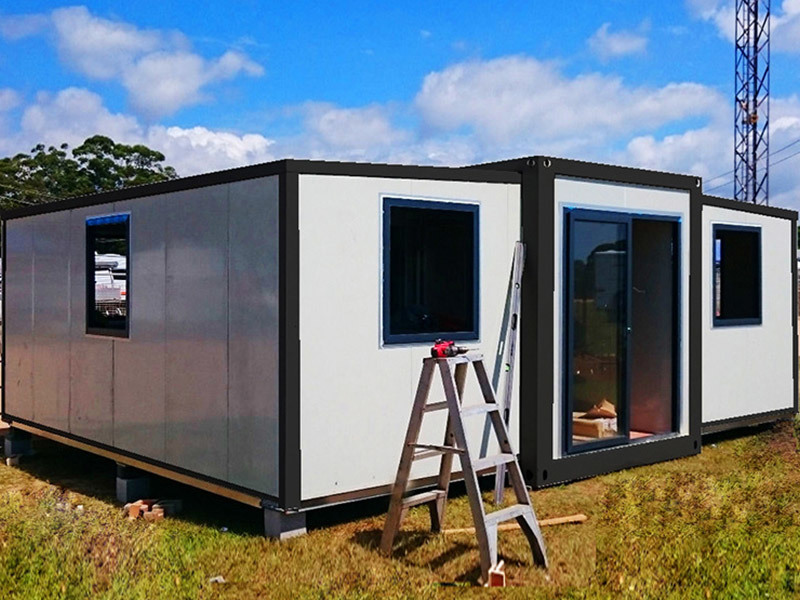
Prefab folding houses, as the name suggests, are pre-manufactured structures designed to be easily transported and assembled on-site. The primary advantage of this approach lies in its efficiency; the construction time is significantly reduced compared to traditional building methods. With assembly often taking just a few days, this rapid deployment is particularly beneficial in emergency housing situations or for projects with tight timelines.
Another significant benefit of prefab folding houses is their sustainability. These structures are often built with eco-friendly materials and utilize energy-efficient technologies, aligning with the growing emphasis on green building practices. The minimized waste during production and construction not only reduces environmental impact but also can lower overall project costs, making them an appealing option for budget-conscious clients.
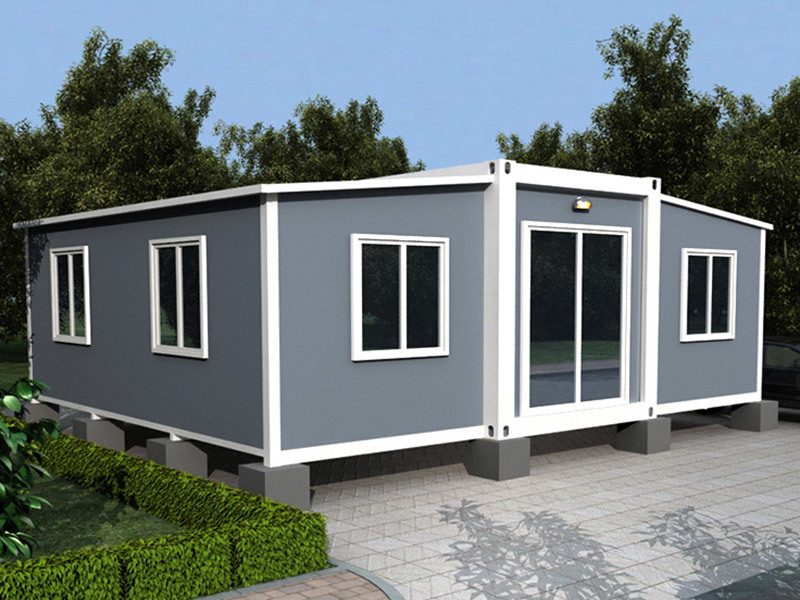
Furthermore, the design flexibility offered by prefab folding houses is noteworthy. These structures can be customized to meet specific needs, whether for residential, commercial, or temporary housing applications. The modular nature of these homes allows for easy expansion and adaptation, catering to the evolving demands of modern living.
Technologically, advancements in materials science and construction techniques have also played a crucial role in the viability of prefab folding houses. Innovations such as lightweight yet durable materials, advanced insulation, and smart home technology have enhanced the functionality and appeal of these structures. As a result, they are increasingly being adopted in various sectors, including affordable housing, disaster relief, and even luxury markets.
For professionals in the building and construction materials industry, the rise of prefab folding houses presents numerous opportunities. By understanding the intricacies of these structures, industry stakeholders can position themselves to meet the needs of a market that increasingly values efficiency, sustainability, and adaptability.
In conclusion, prefab folding houses represent a significant advancement in construction methods, offering numerous benefits over traditional building practices. As the industry continues to evolve, staying informed about the latest trends and technologies in this area will be essential for success. Embracing these innovations not only supports sustainable practices but also enhances overall project efficiency, making prefab folding houses a compelling option for modern construction challenges.
Hot Tags:
Contact Us
E-mail:
Phone/WhatsApp:
Address:
No. 132 Renmin West Road, Fucheng County, Hengshui City, Hebei Province