Committed To Providing Customers With One-Stop Integrated Housing Solutions


Hebei Moerzhan Metal Products Co., Ltd.
Why Foldable Container Houses Are the Future of Sustainable Living
Apr 16,2025

Why Foldable Container Houses Are the Future of Sustainable Living
Introduction to Foldable Container Houses
In recent years, the demand for sustainable living solutions has surged as climate consciousness becomes a global priority. Among the innovative responses to this challenge are **foldable container houses**. These unique structures not only offer a sustainable alternative to traditional housing but also embody versatility and cost-effectiveness. As we delve into the world of foldable container houses, we will uncover their myriad benefits, innovative designs, and the role they play in shaping the future of sustainable living.
Understanding Foldable Container Houses
What Are Foldable Container Houses?
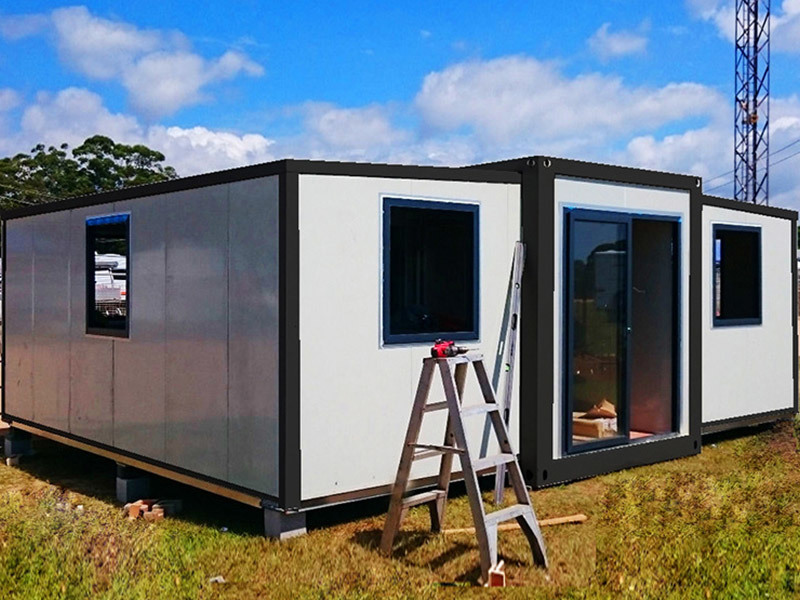
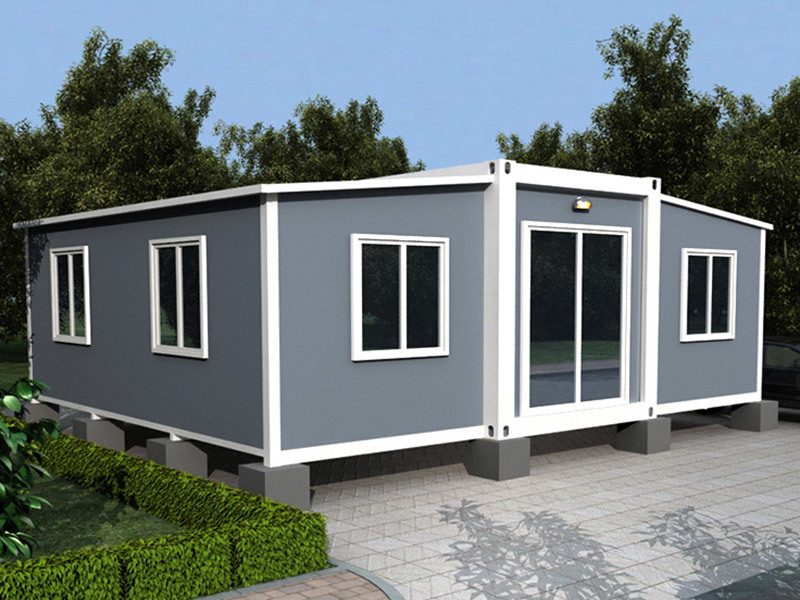
Foldable container houses are modular structures constructed from shipping containers that can be easily transported and assembled. These containers are designed for rapid deployment, making them ideal for various applications, including **temporary housing solutions** during natural disasters, **affordable housing**, and eco-friendly retreats. Their foldable nature allows for effortless assembly and disassembly, fostering mobility and adaptability.
The Sustainability Factor
The environmental impact of housing is significant, with traditional construction contributing to resource depletion and waste. Foldable container houses address this issue in several ways:
- **Recycling and Upcycling**: Utilizing shipping containers repurposes materials that would otherwise contribute to landfill waste. This **recycling initiative** reduces the demand for new construction materials.
- **Energy Efficiency**: Many foldable container houses are designed with energy-efficient features such as solar panels, rainwater harvesting systems, and high-quality insulation, leading to reduced energy consumption and a lower carbon footprint.
- **Minimal Land Use**: Their compact design minimizes land use, allowing for the creation of sustainable living spaces in urban environments where land is scarce.
The Advantages of Foldable Container Houses
Cost-Effectiveness
One of the primary benefits of foldable container houses is their affordability. Traditional home construction can be prohibitively expensive, while foldable container homes typically require less investment. Key factors contributing to their **cost-effectiveness** include:
- **Reduced Construction Time**: The modular nature of container houses allows for quicker assembly, significantly cutting down labor costs and time frames.
- **Lower Material Costs**: Reusing shipping containers means lower material expenses compared to traditional construction methods.
Design Versatility
Foldable container houses offer remarkable design flexibility. Homeowners can customize their layouts, aesthetics, and functionality. This adaptability allows for the creation of unique living spaces that suit individual needs and preferences. From minimalist designs to luxurious interiors, the possibilities are endless.
Mobility and Flexibility
The ability to move foldable container houses makes them particularly attractive for those who seek mobility. Whether for **temporary housing**, vacation homes, or even as mobile offices, the flexibility of these structures caters to a variety of lifestyles. This feature is especially beneficial for those who travel frequently or live in transient situations.
Applications of Foldable Container Houses
Emergency and Temporary Housing Solutions
In the face of natural disasters or humanitarian crises, foldable container houses can be deployed swiftly to provide shelter to those in need. Their quick assembly and transport capabilities make them ideal for **disaster relief efforts** and temporary housing solutions, allowing communities to recover and rebuild more efficiently.
Affordable Housing Initiatives
With housing affordability becoming an ever-pressing issue, foldable container houses can serve as a viable solution. Governments and non-profit organizations can leverage these structures to create affordable housing projects, offering economically disadvantaged populations a chance to secure stable living conditions.
Innovative Features of Foldable Container Houses
Smart Home Integration
Modern foldable container houses often incorporate smart home technology, enhancing their functionality and efficiency. Features such as automated lighting, heating, and security systems can be integrated seamlessly. This technology not only provides convenience but also contributes to energy savings and improved sustainability.
Eco-Friendly Materials and Techniques
Beyond the use of recycled shipping containers, many foldable container houses utilize sustainable materials for insulation, roofing, and flooring. From bamboo flooring to reclaimed wood accents, the emphasis on eco-friendly materials enhances the overall sustainability of these homes.
The Future of Foldable Container Houses
Trends and Innovations
As the demand for sustainable housing solutions grows, we can expect to see innovative trends in foldable container houses. Some of these trends include:
- **Modular Expansion**: Future designs may incorporate modular components that allow homeowners to expand their living space as needed without significant structural changes.
- **Integration with Nature**: Designs that promote harmony with nature, such as green roofs and indoor gardens, are becoming increasingly popular, enhancing both aesthetics and sustainability.
Global Impact and Acceptance
Foldable container houses are gaining traction globally, with countries around the world adopting them for various purposes. As more communities recognize the environmental and economic benefits of these structures, we can anticipate a shift in housing paradigms, moving toward more sustainable practices.
Challenges and Considerations
Regulatory Hurdles
Despite their advantages, foldable container houses face regulatory challenges in many regions. Building codes and zoning regulations may not always accommodate container homes, leading to potential obstacles for prospective homeowners. Advocating for more flexible regulations can help pave the way for wider acceptance.
Perception and Aesthetics
While foldable container houses offer numerous benefits, public perception plays a crucial role in their acceptance. Some may view them as less desirable compared to traditional homes. Overcoming these perceptions through successful design and education will be vital to promoting the widespread adoption of container homes.
Frequently Asked Questions (FAQs)
1. Are foldable container houses durable?
Yes, foldable container houses are constructed from robust materials designed to withstand various environmental conditions. Proper insulation and finishing can enhance their longevity.
2. How much do foldable container houses cost?
The cost of foldable container houses varies based on size, design, and additional features. However, they are generally more affordable than traditional homes.
3. Can foldable container houses be customized?
Absolutely! Foldable container houses can be tailored to individual preferences, allowing for unique layouts and designs.
4. Are these houses energy-efficient?
Many foldable container houses incorporate energy-efficient features, such as solar panels and high-quality insulation, leading to reduced energy consumption.
5. Where can I find foldable container houses for purchase?
Numerous manufacturers and builders specialize in foldable container houses. Researching local options and reputable companies can provide insights into available models.
Conclusion
Foldable container houses represent a significant leap toward sustainable living, offering cost-effective, versatile, and eco-friendly housing solutions. As our world continues to grapple with environmental challenges and housing shortages, these innovative structures stand ready to play a pivotal role in reshaping our approach to living spaces. With growing acceptance and advancements in design, foldable container houses are not just a trend; they are a beacon of sustainable future living. Embracing this new era of housing will require a collective effort, but the benefits are clear—creating a more sustainable world for generations to come.
Hot Tags:
Contact Us
E-mail:
Phone/WhatsApp:
Address:
No. 132 Renmin West Road, Fucheng County, Hengshui City, Hebei Province