Committed To Providing Customers With One-Stop Integrated Housing Solutions


Hebei Moerzhan Metal Products Co., Ltd.
Exploring the Potential of Foldable Homes in the USA: A Modern Solution for Housing Needs
Apr 25,2025

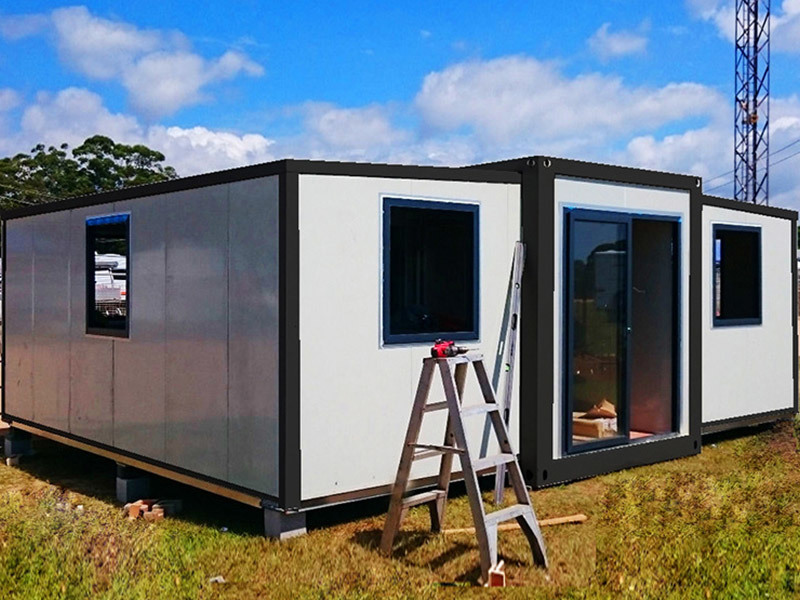
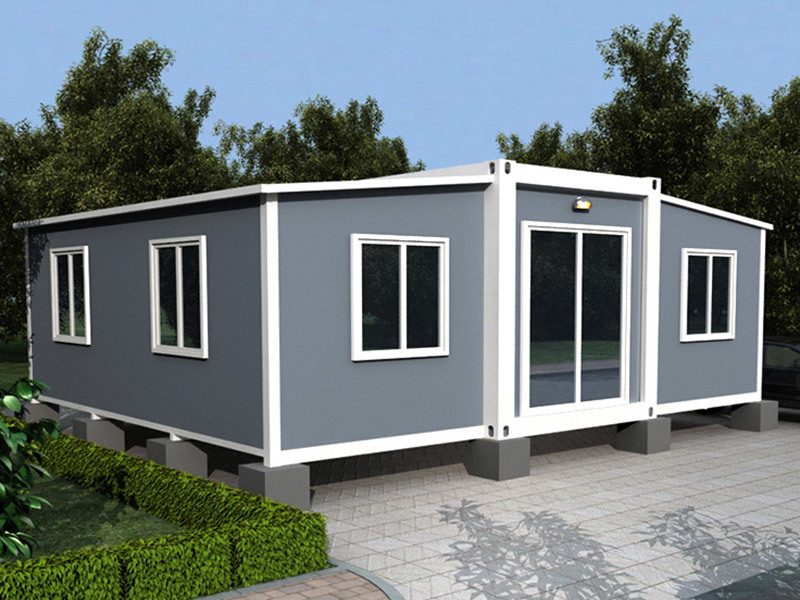
Foldable homes, often referred to as modular or portable homes, are gaining traction in the USA as innovative solutions to contemporary housing challenges. These structures are designed to be compact, efficient, and easily transportable, making them an attractive option for a variety of living situations, including affordable housing, disaster relief, and temporary accommodations. As the housing market evolves, the integration of foldable homes may redefine traditional architecture and construction methods.
One of the primary advantages of foldable homes is their ability to significantly reduce construction time and costs. Unlike conventional homes that require extensive labor and materials, foldable homes are typically manufactured off-site in a factory setting. This allows for precision in design and assembly, minimizing waste and speeding up the overall building process. Once completed, these homes can be easily transported to their final location and assembled in a matter of days, if not hours.
The materials used in the construction of foldable homes are also notable. Many designs incorporate sustainable and eco-friendly materials, aligning with the growing trend toward green building practices. By using lightweight yet durable materials, foldable homes not only enhance portability but also ensure longevity and resilience against various environmental conditions. This is particularly important in regions prone to natural disasters, where rapid deployment of housing solutions is crucial.
Foldable homes also offer flexibility in design and use. They can be customized to fit individual needs, whether it's a small unit for a single person or a larger configuration for a family. This adaptability makes them suitable for various applications, including vacation homes, guest houses, and even permanent residences. Moreover, the ability to expand or reconfigure these homes provides homeowners with the opportunity to scale their living space according to changing circumstances.
However, it is important to note that the acceptance of foldable homes in the USA may face regulatory challenges. Zoning laws and building codes vary significantly across regions, and potential homeowners must navigate these regulations to ensure compliance. Advocacy and education around the benefits of foldable homes are vital to overcoming these barriers and encouraging broader adoption.
In conclusion, foldable homes in the USA represent a promising advancement in the realm of housing solutions. Their efficiency in construction, eco-friendly materials, and versatile design make them an appealing choice for those looking for innovative and viable alternatives to traditional housing. As awareness and acceptance grow, foldable homes may play a key role in addressing the dynamic housing demands of the future.
Hot Tags:
Contact Us
E-mail:
Phone/WhatsApp:
Address:
No. 132 Renmin West Road, Fucheng County, Hengshui City, Hebei Province