Committed To Providing Customers With One-Stop Integrated Housing Solutions


Hebei Moerzhan Metal Products Co., Ltd.
The Ultimate Guide to Folding Tiny Houses: Embrace Space-Efficient Living
Aug 26,2026

As urbanization continues to rise, many individuals and families are seeking alternative housing solutions that are both space-efficient and environmentally friendly. Folding tiny houses have emerged as a popular option, providing a unique blend of mobility, flexibility, and innovative design. This article delves into the critical aspects of folding tiny houses, offering valuable insights for those considering this modern living solution.
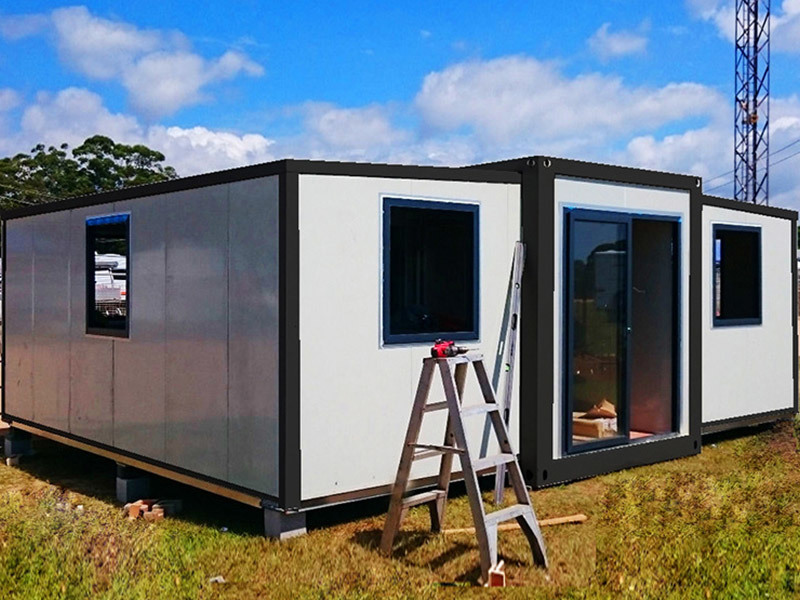
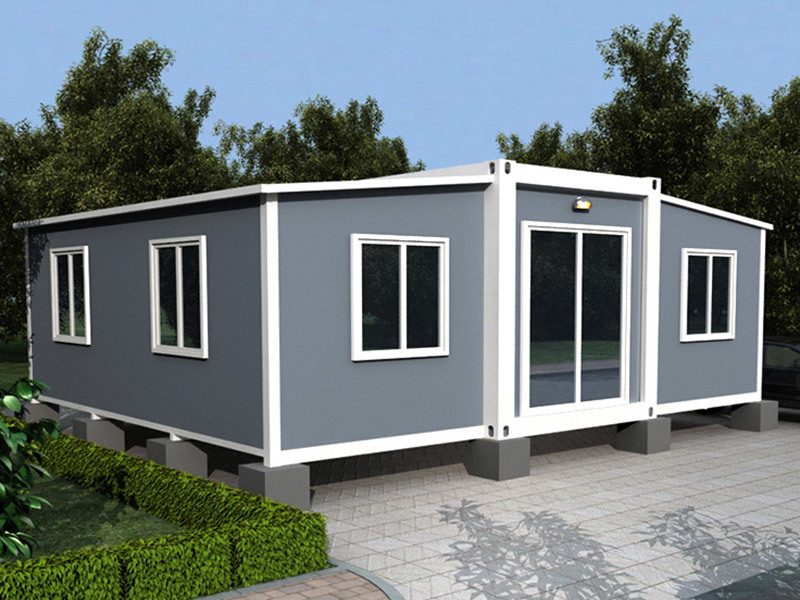
A folding tiny house is essentially a compact dwelling that can be easily collapsed and expanded, allowing for effortless transportation and storage. These structures are typically designed with multifunctional furniture and smart storage solutions, enabling residents to maximize every square inch of living space. By embracing minimalism and utilizing vertical space, folding tiny houses can offer a comfortable living environment without the clutter often associated with larger homes.
One of the primary advantages of a folding tiny house is mobility. For those who enjoy travel or wish to live in different locations, these houses can be moved to various sites with relative ease. This flexibility also allows homeowners to embrace different lifestyles, whether it's a serene lakeside retreat or a bustling urban environment. Moreover, the portability of a folding tiny house can significantly reduce real estate costs, as they can be placed on temporary land without the need for permanent foundations.
Another significant benefit of folding tiny houses is their environmental impact. By using fewer resources to build and maintain a smaller living space, residents can significantly lower their carbon footprint. Many folding tiny houses incorporate eco-friendly materials and energy-efficient systems, such as solar panels and rainwater harvesting systems. This not only promotes sustainability but can also lead to reduced utility bills over time.
However, there are considerations to keep in mind when opting for a folding tiny house. Zoning laws and building regulations vary by location, and it is crucial to research these guidelines to ensure compliance. Additionally, potential homeowners must consider their lifestyle and space requirements—while a folding tiny house offers many benefits, it may not suit everyone’s needs.
In conclusion, folding tiny houses represent a fresh approach to modern living, combining creativity, sustainability, and mobility. They cater to those seeking a simplified lifestyle that embraces the essentials while minimizing environmental impact. As the trend towards compact living continues to grow, folding tiny houses are likely to become an increasingly viable option for many. Whether you're looking to downsize, travel, or simply live more sustainably, a folding tiny house could be the perfect solution for your housing needs.
Hot Tags:
Contact Us
E-mail:
Phone/WhatsApp:
Address:
No. 132 Renmin West Road, Fucheng County, Hengshui City, Hebei Province