Committed To Providing Customers With One-Stop Integrated Housing Solutions


Hebei Moerzhan Metal Products Co., Ltd.
Folding Prefab Homes: The Future of Affordable Housing
Aug 21,2026

Folding Prefab Homes: The Future of Affordable Housing
Table of Contents
- Introduction to Folding Prefab Homes
- Understanding Prefabricated Construction
- Benefits of Folding Prefab Homes
- Environmental Sustainability and Energy Efficiency
- The Construction Process of Folding Prefab Homes
- Cost-Effectiveness and Affordability
- Design Flexibility and Customization
- Future Trends in Prefabricated Housing
- Conclusion
- FAQs About Folding Prefab Homes
Introduction to Folding Prefab Homes
Folding prefab homes are rapidly gaining traction as an innovative solution to the pressing issue of affordable housing. These homes are designed for efficiency and practicality, utilizing prefabricated technology that streamlines the construction process. They are not only cost-effective but also provide a unique opportunity for sustainable living. In this article, we will delve into the various aspects of folding prefab homes, including their advantages, construction methodologies, and the impact they could have in shaping the future of housing.
Understanding Prefabricated Construction
Prefabricated construction involves assembling building components in a factory, which are then transported to the site for quick assembly. Folding prefab homes take this concept a step further by incorporating folding mechanisms that allow for easy transportation and setup. This method drastically reduces construction time and labor costs while maintaining high standards of quality and durability.
The Essence of Prefabricated Design
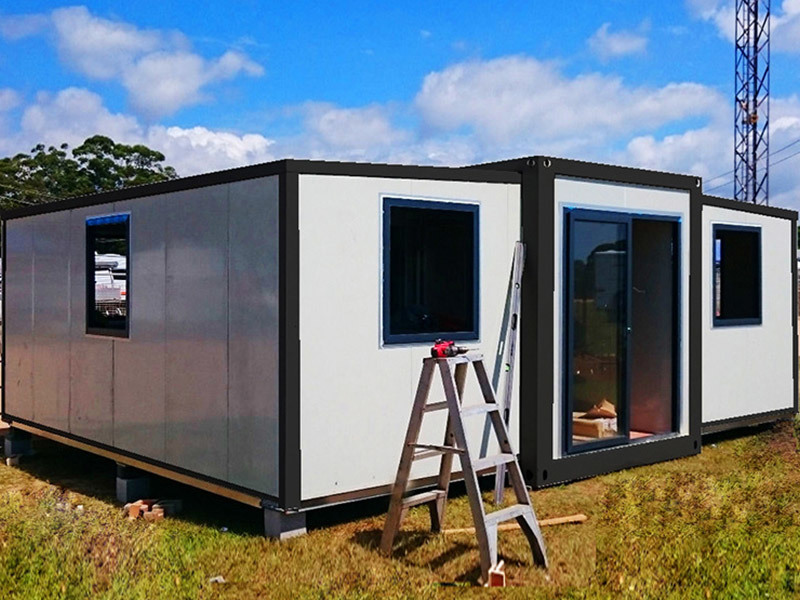
The design of folding prefab homes integrates modular elements that can be easily transported and erected. These homes are engineered using lightweight materials, ensuring that even complex structures can be folded and unfolded with minimal effort. The result is homes that are not only affordable but also functional and stylish.
Benefits of Folding Prefab Homes
Folding prefab homes offer a multitude of benefits that make them an attractive option for prospective homeowners and developers alike.
1. Speed of Construction
One of the most significant advantages of folding prefab homes is the speed at which they can be constructed. Traditional building methods can take months, if not years, to complete. In contrast, folding prefab homes can be assembled in a matter of days due to their modular nature.
2. Cost-Effectiveness
Folding prefab homes can be significantly more affordable than traditional homes. With reduced labor costs and shorter construction periods, the overall expenses associated with building and maintaining these homes are minimized. This affordability makes them ideal for low-income families and first-time homebuyers.
3. Quality Assurance
Since folding prefab homes are built in a controlled factory environment, they are subject to stringent quality checks. This ensures that the materials and construction methods used meet high standards, leading to durable and safe buildings.
4. Eco-Friendly Options
Folding prefab homes can be designed with sustainability in mind. Options for solar panels, energy-efficient appliances, and sustainable materials allow homeowners to reduce their carbon footprint while enjoying modern living amenities.
Environmental Sustainability and Energy Efficiency
The construction sector is one of the largest contributors to environmental degradation. Folding prefab homes present an opportunity to address this issue through sustainable practices.
1. Reduced Waste
The prefabrication process generates less waste compared to traditional building methods. Factory assembly allows for precise measurements and cuts, minimizing leftover materials.
2. Energy-Efficient Designs
Folding prefab homes can be designed to use less energy. High-quality insulation and energy-efficient windows help to maintain comfortable temperatures, reducing reliance on heating and cooling systems.
3. Renewable Energy Integration
Homeowners can incorporate renewable energy systems, such as solar panels, into their folding prefab homes. This not only reduces energy costs but also contributes to a more sustainable lifestyle.
The Construction Process of Folding Prefab Homes
The construction process for folding prefab homes is streamlined and efficient, focusing on minimizing delays and maximizing quality.
1. Design and Customization
Homebuyers can often customize the designs of their folding prefab homes to suit their preferences. Architects work closely with clients to create layouts that meet their needs while considering structural integrity and aesthetic appeal.
2. Factory Production
Once the design is finalized, the components are manufactured in a factory. This includes the structural elements, walls, and roofing, all made with precision to ensure quality.
3. Transportation and Assembly
After production, the components are transported to the construction site. The unique folding design allows for easy transportation, reducing logistics costs. Once on-site, the assembly process begins, often completed in just a few days.
Cost-Effectiveness and Affordability
Affordability is a critical factor in the housing market, and folding prefab homes present several financial advantages.
1. Lower Upfront Costs
The initial costs associated with folding prefab homes are typically lower than traditional homes. This affordability allows more individuals and families to transition into homeownership.
2. Reduced Maintenance Costs
The materials used in construction are often designed to be low-maintenance, which means homeowners can save money on repairs and upkeep over time.
3. Financing Options
With the growing popularity of folding prefab homes, many financial institutions now offer specialized loans and incentives, making it easier for buyers to secure financing.
Design Flexibility and Customization
One of the standout features of folding prefab homes is their design flexibility.
1. Modular Components
The modular nature of these homes allows for various configurations, making it easy to adapt the layout to suit specific needs or preferences.
2. Aesthetic Choices
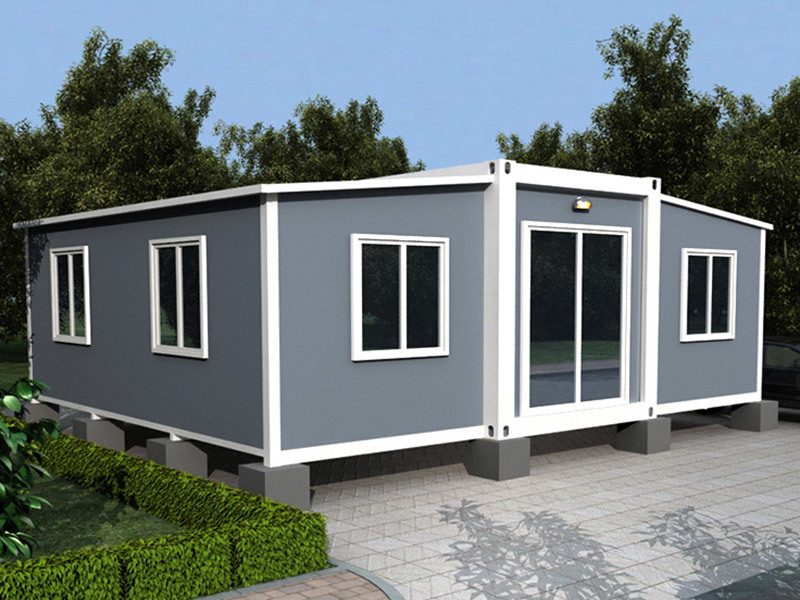
Homeowners can choose from multiple design styles, finishes, and colors, allowing for a personalized look that reflects their taste.
Future Trends in Prefabricated Housing
As the demand for affordable housing continues to rise, the future of folding prefab homes looks promising.
1. Technological Advancements
Innovations in construction technology will likely enhance the efficiency and appeal of folding prefab homes, making them an even more attractive option for consumers.
2. Increasing Popularity in Urban Areas
As cities become more congested, folding prefab homes may serve as a viable solution to housing shortages, particularly in urban environments where space is limited.
3. Community Developments
Future trends may also see the development of entire communities built around folding prefab homes, promoting a sense of community and sustainability.
Conclusion
Folding prefab homes represent a revolutionary approach to addressing the affordable housing crisis. With their combination of cost-effectiveness, sustainability, and design flexibility, these homes are poised to play a significant role in the future of housing. As advancements in technology and construction methods continue to evolve, we expect to see an increase in the adoption of folding prefab homes, providing countless individuals and families with access to safe and affordable living spaces.
FAQs About Folding Prefab Homes
1. How long does it take to build a folding prefab home?
The construction time for a folding prefab home can vary, but it typically takes just a few days to assemble on-site after the components are delivered.
2. Are folding prefab homes durable?
Yes, folding prefab homes are built using high-quality materials and are subject to rigorous quality control standards, ensuring their durability.
3. Can folding prefab homes be customized?
Absolutely! Many manufacturers allow for significant customization in design, layout, and finishes to meet the homeowner's preferences.
4. What are the energy efficiency benefits of folding prefab homes?
Folding prefab homes can be designed with energy-efficient features, such as high insulation values and renewable energy sources, leading to lower energy costs.
5. Are financing options available for folding prefab homes?
Yes, as the popularity of folding prefab homes grows, many lenders offer financing options specifically for these types of homes.
Hot Tags:
Contact Us
E-mail:
Phone/WhatsApp:
Address:
No. 132 Renmin West Road, Fucheng County, Hengshui City, Hebei Province