Committed To Providing Customers With One-Stop Integrated Housing Solutions


Hebei Moerzhan Metal Products Co., Ltd.
Exploring the Future of Living: The Rise of Foldable Homes in the USA
Jul 17,2026
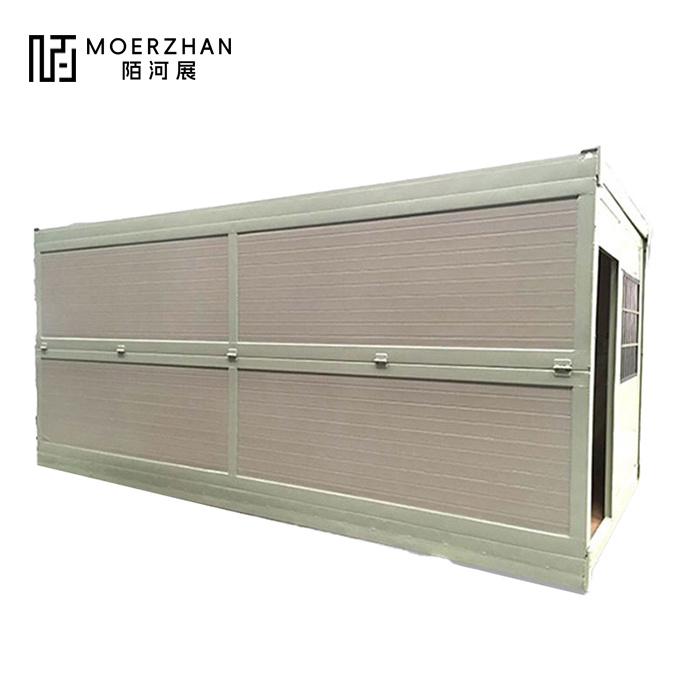
The concept of "foldable homes" is gaining traction in the USA, driven by the need for flexible living solutions. These homes are designed to be compact and modular, allowing for easy transportation and assembly. They often utilize advanced materials and construction techniques, making them an eco-friendly alternative to traditional housing.
One of the most significant advantages of foldable homes is their adaptability. They can be easily deployed in various environments, from urban settings to remote locations. This versatility is particularly beneficial for individuals seeking temporary housing, such as those in need of disaster relief, or for communities looking to expand their residential options without extensive construction projects.
Additionally, foldable homes can significantly reduce construction time and costs. Traditional homebuilding processes can take months or even years, while foldable homes can be assembled in a matter of days. This efficiency not only provides quicker access to housing but also decreases labor costs, making them an appealing option for developers and homeowners alike.
From a sustainability perspective, foldable homes often incorporate eco-friendly materials and energy-efficient designs. Many models are built with recyclable materials, and some include features such as solar panels and high-efficiency insulation. This focus on sustainability aligns with the growing trend towards environmentally conscious living and can help reduce the overall carbon footprint of the housing sector.
In addition to their practical benefits, foldable homes can contribute to the creation of vibrant, adaptable communities. By offering affordable housing solutions, they can help address the housing crisis in many urban areas, providing options for low-income families and individuals. Furthermore, their modular nature allows for community planners to design neighborhoods that can evolve over time, accommodating changing demographics and needs.
While foldable homes are still relatively new in the USA, their popularity is expected to grow as more people become aware of their benefits. As housing demands continue to rise and the quest for sustainability becomes ever more crucial, foldable homes could play a pivotal role in reshaping the landscape of residential living.
In conclusion, foldable homes present an innovative, efficient, and sustainable approach to modern housing in the USA. Their unique design and flexibility can meet diverse housing needs, making them an important consideration for homeowners, developers, and policymakers alike. As this trend continues to develop, it may very well revolutionize how we think about home construction and living spaces in the future.
One of the most significant advantages of foldable homes is their adaptability. They can be easily deployed in various environments, from urban settings to remote locations. This versatility is particularly beneficial for individuals seeking temporary housing, such as those in need of disaster relief, or for communities looking to expand their residential options without extensive construction projects.
Additionally, foldable homes can significantly reduce construction time and costs. Traditional homebuilding processes can take months or even years, while foldable homes can be assembled in a matter of days. This efficiency not only provides quicker access to housing but also decreases labor costs, making them an appealing option for developers and homeowners alike.
From a sustainability perspective, foldable homes often incorporate eco-friendly materials and energy-efficient designs. Many models are built with recyclable materials, and some include features such as solar panels and high-efficiency insulation. This focus on sustainability aligns with the growing trend towards environmentally conscious living and can help reduce the overall carbon footprint of the housing sector.
In addition to their practical benefits, foldable homes can contribute to the creation of vibrant, adaptable communities. By offering affordable housing solutions, they can help address the housing crisis in many urban areas, providing options for low-income families and individuals. Furthermore, their modular nature allows for community planners to design neighborhoods that can evolve over time, accommodating changing demographics and needs.
While foldable homes are still relatively new in the USA, their popularity is expected to grow as more people become aware of their benefits. As housing demands continue to rise and the quest for sustainability becomes ever more crucial, foldable homes could play a pivotal role in reshaping the landscape of residential living.
In conclusion, foldable homes present an innovative, efficient, and sustainable approach to modern housing in the USA. Their unique design and flexibility can meet diverse housing needs, making them an important consideration for homeowners, developers, and policymakers alike. As this trend continues to develop, it may very well revolutionize how we think about home construction and living spaces in the future.
Hot Tags:
Contact Us
E-mail:
Phone/WhatsApp:
Address:
No. 132 Renmin West Road, Fucheng County, Hengshui City, Hebei Province