Committed To Providing Customers With One-Stop Integrated Housing Solutions


Hebei Moerzhan Metal Products Co., Ltd.
Space-Saving Solutions: The Rise of Foldable Tiny Homes
Jul 12,2026
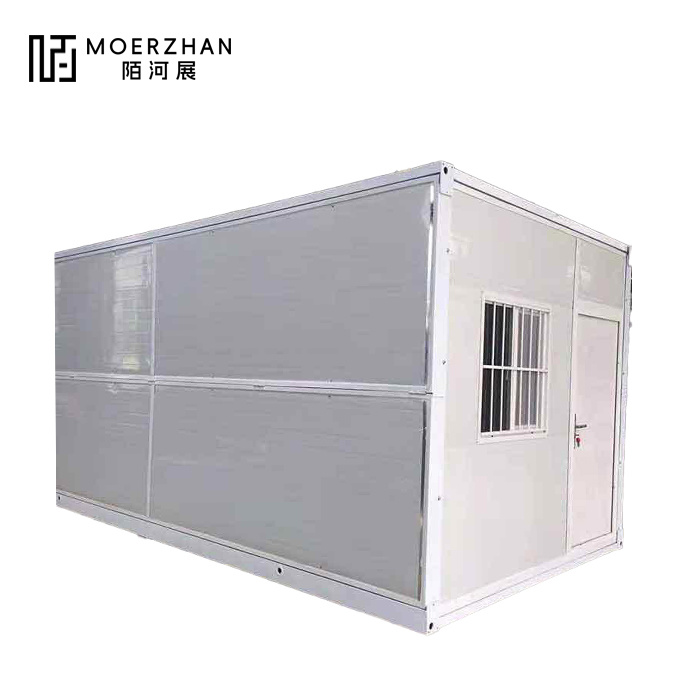
Space-Saving Solutions: The Rise of Foldable Tiny Homes
Introduction to Foldable Tiny Homes
In recent years, there's been a significant shift in the way we view living spaces. As urban environments become increasingly crowded and housing prices soar, innovative **space-saving solutions** have emerged as a viable alternative. One such revolutionary concept is the foldable tiny home, which combines sustainability, affordability, and practicality. These compact living spaces not only cater to minimalism but also provide the flexibility and functionality that modern lifestyles demand.
The Concept of Foldable Tiny Homes
Understanding the Basics of Foldable Tiny Homes
Foldable tiny homes are designed to maximize space while offering versatility in their use. Their primary feature is their ability to be compacted or expanded, depending on the needs of the occupants. Typically, these homes can be easily transported and set up in various locations, making them an attractive option for those seeking a **mobile lifestyle**.
Key Features of Foldable Tiny Homes
1. **Mobility**: Easily transportable, allowing for relocation without hassle.
2. **Compact Design**: Efficient use of space, often featuring multi-functional furniture.
3. **Sustainability**: Built with eco-friendly materials, minimizing environmental impact.
4. **Affordability**: Lower costs compared to traditional houses, making homeownership accessible.
5. **Customization**: Options for personalization, accommodating individual preferences.
Benefits of Choosing Foldable Tiny Homes
Affordability and Cost-Efficiency
One of the most compelling reasons to consider a foldable tiny home is the **affordable housing option** it provides. With rising real estate prices, many individuals and families find it increasingly difficult to afford traditional homes. Foldable tiny homes offer an economical alternative, allowing people to invest in their living space without breaking the bank.
Environmental Sustainability
In an era where sustainability is paramount, foldable tiny homes present a responsible choice. These homes are often constructed with eco-friendly materials and designed to have a minimal carbon footprint. By embracing a more compact lifestyle, occupants can reduce their consumption of resources and contribute to a greener planet.
Energy Efficiency
Many foldable tiny homes incorporate energy-efficient technologies such as solar panels, energy-efficient appliances, and advanced insulation. This design leads to lower utility bills and a reduced environmental impact.
The Design and Aesthetic Appeal of Foldable Tiny Homes
Innovative Architecture and Interior Layout
The design of foldable tiny homes is nothing short of innovative. Architects and designers are continuously exploring new concepts that optimize space while maintaining aesthetic appeal. From modular furniture that serves multiple purposes to cleverly designed storage solutions, these homes offer a unique blend of functionality and style.
Popular Design Trends
1. **Minimalist Aesthetics**: Clean lines and uncluttered spaces enhance the feeling of openness.
2. **Natural Light Integration**: Large windows and skylights make spaces feel larger and more inviting.
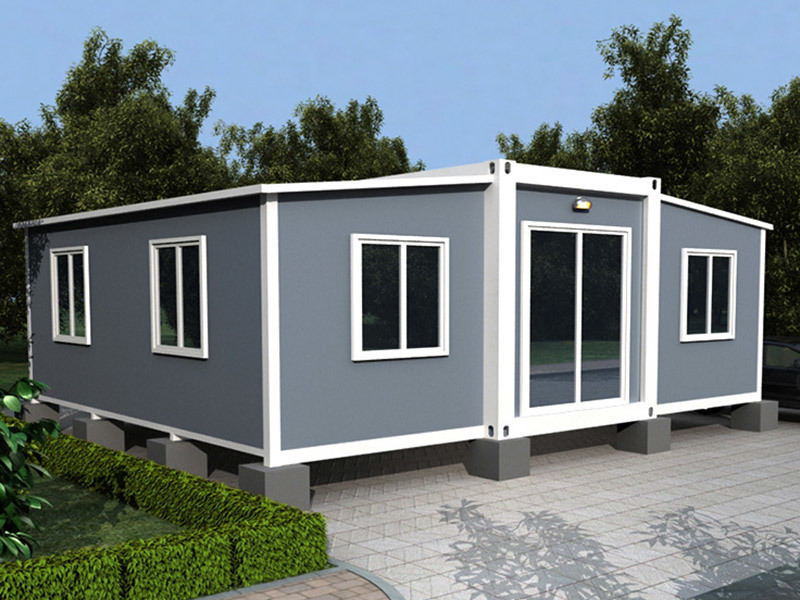
3. **Outdoor Living Spaces**: Decks and patios extend the living area outside, promoting a connection with nature.
Customization Options for Personal Touches
Many manufacturers of foldable tiny homes offer a range of customization options, allowing buyers to personalize their space. From choosing color schemes to selecting appliances, occupants can create a home that reflects their unique tastes and lifestyle needs.
The Practicality of Foldable Tiny Homes
Versatile Use Cases
Foldable tiny homes are suitable for various living situations, including:
- **Permanent Residences**: Ideal for those looking to downsize or simplify their lives.
- **Vacation Homes**: Perfect for individuals seeking a getaway that is easy to maintain.
- **Guest Houses**: A fantastic solution for hosting visitors without sacrificing space in the main home.
- **Mobile Offices**: A creative option for entrepreneurs needing a quiet workspace.
Setting Up and Relocating Foldable Tiny Homes
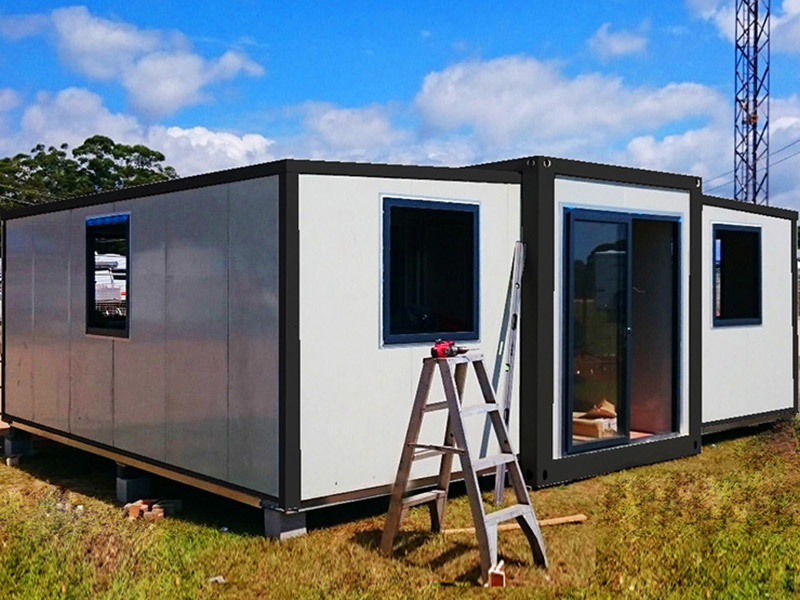
Setting up a foldable tiny home is a straightforward process. With minimal site preparation, these homes can be placed on various terrains, from urban backyards to rural landscapes. Their mobility allows occupants to relocate easily, making them an attractive option for those who desire an adventurous lifestyle.
Challenges and Considerations
Regulatory Hurdles
While foldable tiny homes offer numerous benefits, navigating local regulations can pose challenges. Zoning laws and building codes vary widely, and prospective owners must ensure compliance before purchasing or placing a foldable tiny home.
Space Limitations
Though efficient, the compact nature of these homes means that occupants must adapt to a more minimalist lifestyle. This transition can be difficult for those accustomed to more spacious living arrangements.
Future Trends in Foldable Tiny Homes
Technological Innovations
As technology continues to advance, the design and functionality of foldable tiny homes will likely evolve. Innovations such as smart home technology and sustainable building materials will enhance the livability and appeal of these homes.
The Impact of Urbanization
With urban populations steadily increasing, the demand for affordable housing solutions like foldable tiny homes will continue to rise. These compact dwellings are likely to play a crucial role in addressing housing shortages in densely populated areas.
Frequently Asked Questions (FAQs)
1. What are foldable tiny homes made from?
Foldable tiny homes can be constructed from a variety of materials, including wood, metal, and eco-friendly composites. The choice of materials often depends on the desired aesthetics and sustainability goals.
2. How much do foldable tiny homes cost?
The price of foldable tiny homes varies significantly based on size, design, and features. On average, they range from $20,000 to $80,000, making them a cost-effective housing option.
3. Can foldable tiny homes be used year-round?
Yes, many foldable tiny homes are designed for year-round living. They often include insulation and heating or cooling systems to ensure comfort in various climates.
4. Are foldable tiny homes safe during extreme weather?
Foldable tiny homes can be engineered to withstand various weather conditions. However, it's essential to choose a model designed for durability and to follow safety guidelines during extreme weather.
5. How long does it take to set up a foldable tiny home?
Setting up a foldable tiny home typically takes just a few hours to a couple of days, depending on the complexity of the model and site preparation required.
Conclusion
Foldable tiny homes represent a remarkable solution to the challenges of modern living. With their innovative designs, affordability, and sustainable features, they are becoming increasingly popular among individuals and families alike. As we continue to seek efficient living solutions that cater to our evolving lifestyles, foldable tiny homes are poised to play a vital role in shaping the future of housing. Embracing this trend not only allows for a more minimalist lifestyle but also contributes to a more sustainable world.
Hot Tags:
Contact Us
E-mail:
Phone/WhatsApp:
Address:
No. 132 Renmin West Road, Fucheng County, Hengshui City, Hebei Province