Committed To Providing Customers With One-Stop Integrated Housing Solutions


Hebei Moerzhan Metal Products Co., Ltd.
Exploring the Potential of Foldable Tiny Houses: A Sustainable Housing Solution
Mar 26,2025

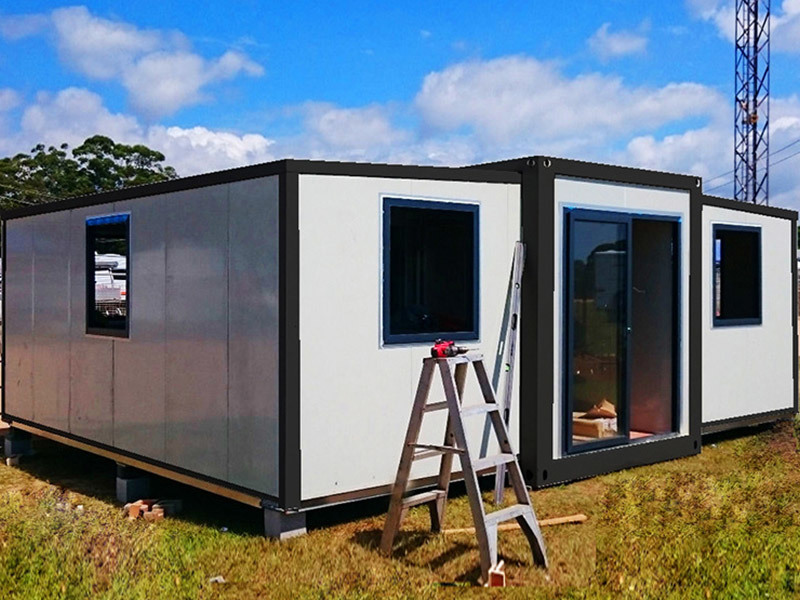
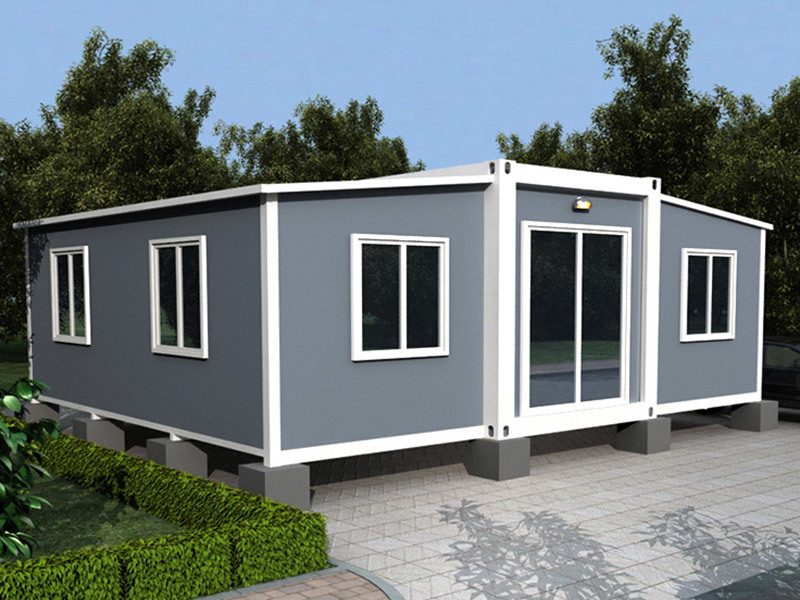
Foldable tiny houses represent a remarkable intersection of innovation, sustainability, and practicality in modern architecture. As urban populations continue to swell and space becomes increasingly limited, the concept of a foldable tiny house emerges as a viable solution to the pressing issue of housing shortages. These compact homes are designed to maximize functionality and minimize environmental impact, making them a popular choice among environmentally conscious individuals.
One of the primary advantages of foldable tiny houses is their space efficiency. Typically ranging from 100 to 400 square feet, these homes utilize every inch creatively. The design often incorporates multifunctional furniture and smart storage solutions, allowing residents to enjoy a comfortable living environment without the need for excessive square footage. This efficiency not only caters to minimalist lifestyles but also reduces the overall carbon footprint associated with larger, traditional homes.
Moreover, foldable tiny houses are often portable, adding another layer of flexibility. Homeowners can choose to change their location based on personal or professional needs, making them ideal for those who enjoy travel or remote work. The ability to relocate a home without the hassle of traditional real estate transactions is a significant advantage in our increasingly mobile society.
Sustainability is at the core of the foldable tiny house movement. Many designs prioritize eco-friendly materials, energy-efficient appliances, and sustainable building practices. By reducing the amount of raw materials needed for construction and lowering energy consumption, these homes contribute positively to environmental conservation efforts. Additionally, the smaller footprint of these homes means that they can be placed in areas where larger buildings might not be feasible, thus preserving natural landscapes.
Another compelling aspect of foldable tiny houses is their affordability. While the initial investment may vary based on design and materials, the overall cost of living in a tiny house can be significantly lower than maintaining a traditional home. Reduced utility bills, minimal maintenance costs, and the potential for lower property taxes make these homes an appealing option for young professionals, retirees, or anyone looking to downsize.
In conclusion, foldable tiny houses are not merely a trend; they represent a fundamental shift in how we approach housing. Their innovative designs, sustainable characteristics, and flexibility make them an attractive option for those seeking to live more consciously and sustainably. As the demand for efficient living solutions grows, foldable tiny houses may very well shape the future of residential architecture, offering a unique blend of comfort and responsibility that appeals to a diverse range of individuals.
Hot Tags:
Contact Us
E-mail:
Phone/WhatsApp:
Address:
No. 132 Renmin West Road, Fucheng County, Hengshui City, Hebei Province