Committed To Providing Customers With One-Stop Integrated Housing Solutions


Hebei Moerzhan Metal Products Co., Ltd.
How Unfoldable Houses Are Revolutionizing Modern Living
Mar 23,2025

How Unfoldable Houses Are Revolutionizing Modern Living
Table of Contents
- Introduction to Unfoldable Houses
- Understanding Unfoldable Houses
- Benefits of Unfoldable Houses
- Design and Architecture of Unfoldable Houses
- Sustainability in Unfoldable Houses
- Technological Advancements Driving Unfoldable Houses
- Challenges and Considerations
- The Future of Unfoldable Housing
- Conclusion
- FAQs about Unfoldable Houses
Introduction to Unfoldable Houses
As urban landscapes continue to evolve, the quest for innovative living solutions has never been more pressing. **Unfoldable houses**, a cutting-edge concept in architecture, are emerging as a pivotal solution to housing shortages and the need for efficient living spaces. These structures, which can be easily transformed from a compact form into a fully functional home, represent a significant leap forward in modern design and sustainability.
In this article, we will delve into the features and advantages of unfoldable houses, explore their design and architectural considerations, and discuss the technology driving this revolutionary movement.
Understanding Unfoldable Houses
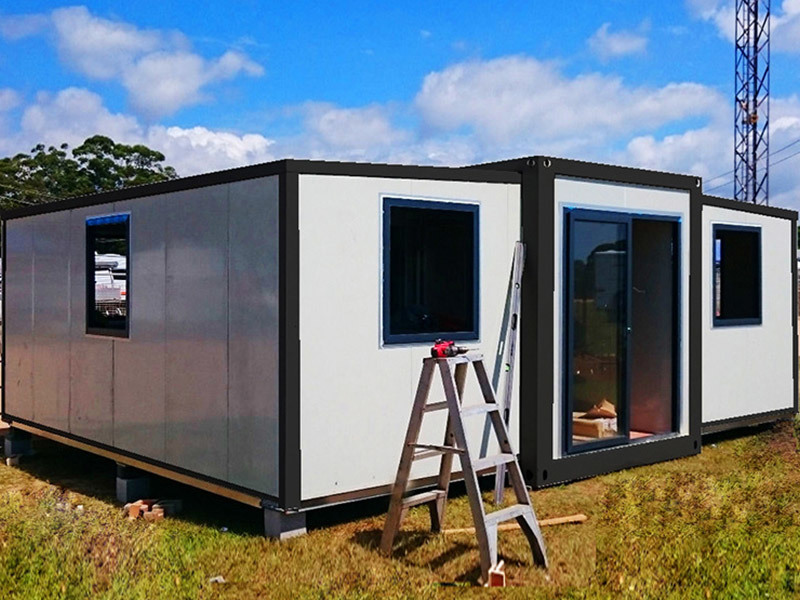
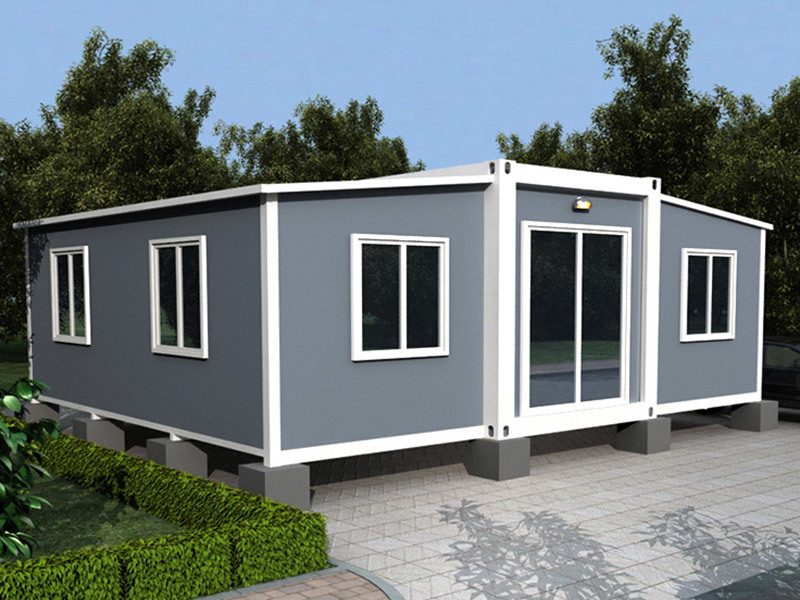
Unfoldable houses, also known as **foldable or expandable homes**, are designed with mobility and adaptability in mind. These structures can efficiently unfold or expand to provide ample living space while remaining compact and easy to transport when needed. The concept has gained traction particularly among individuals seeking alternative lifestyle choices, including minimalists, digital nomads, and those living in urban environments with limited space.
The design principles behind unfoldable houses emphasize versatility, allowing for various configurations that suit the needs of different residents. Whether it's a cozy getaway or a full-time residence, these homes adapt to their occupants' lifestyles.
Key Features of Unfoldable Houses
Unfoldable houses boast several key features that set them apart from traditional homes:
1. **Compact Design**: Designed to occupy minimal space, these homes can easily fit in various environments, from urban lots to rural areas.
2. **Quick Assembly**: Unfoldable houses can be set up in a fraction of the time it takes to construct traditional homes, making them ideal for emergency housing or temporary accommodation.
3. **Mobility**: Many unfoldable houses are portable, allowing residents to relocate their homes as needed without the constraints of traditional real estate.
4. **Customizable Interiors**: The interiors can be tailored to meet the specific needs of residents, from the number of rooms to the layout.
Benefits of Unfoldable Houses
The rise of unfoldable houses brings numerous advantages that appeal to modern homeowners. Here are some of the key benefits:
1. Space Efficiency
Unfoldable houses maximize the use of space, which is crucial in densely populated urban areas. By utilizing a compact design, they provide a practical solution for those who want to live in locations where square footage comes at a premium.
2. Cost-Effectiveness
Unfoldable houses can significantly reduce construction and maintenance costs. Their quick assembly means lower labor costs, and their energy-efficient design can lead to reduced utility bills over time.
3. Environmental Impact
With growing concern over environmental issues, unfoldable houses often incorporate sustainable materials and energy-efficient systems. This focus on eco-friendliness makes them an attractive option for environmentally conscious consumers.
4. Flexibility and Adaptability
These homes can be adapted for various uses, from family residences to vacation rentals or even emergency shelters. Their flexible nature ensures they can meet the changing needs of their occupants.
5. Innovative Living Solutions
Unfoldable houses embody the spirit of innovation, appealing particularly to younger generations seeking unique and modern living arrangements. This trend aligns with the increasing values of mobility and minimalism in society.
Design and Architecture of Unfoldable Houses
The architectural design of unfoldable houses is a blend of functionality and aesthetics. These homes often incorporate modern design elements to create a visually appealing living space while maximizing utility.
1. Modular Architecture
Many unfoldable houses are designed using modular components, allowing for easy customization and expansion. This modularity enables homeowners to adjust their living spaces according to their preferences, offering a personalized touch.
2. Use of Lightweight Materials
To facilitate the folding and unfolding mechanisms, lightweight materials such as aluminum, composite panels, and treated wood are often utilized. These materials help maintain structural integrity while keeping the overall weight manageable.
3. Smart Home Features
Unfoldable houses are increasingly being integrated with smart technology, allowing residents to control lighting, heating, and security systems remotely. This technological integration enhances the living experience and promotes energy efficiency.
4. Aesthetic Appeal
Modern unfoldable houses feature sleek, minimalist designs that complement various environments. Their contemporary appearance attracts those looking for stylish yet functional living options.
Sustainability in Unfoldable Houses
Sustainability is at the core of the unfoldable house movement. As the housing crisis worsens, finding eco-friendly solutions is paramount. Unfoldable houses offer a sustainable alternative through various means.
1. Eco-Friendly Materials
Many manufacturers prioritize the use of sustainable materials, such as recycled metals and responsibly sourced wood. This commitment to eco-friendliness ensures that the environmental impact is minimized during construction and throughout the home's lifecycle.
2. Energy Efficiency
Unfoldable houses are often designed with energy efficiency in mind, featuring insulation that reduces heating and cooling costs, as well as solar panels that harness renewable energy. This integration of energy-efficient systems contributes to lower carbon footprints.
3. Reduced Waste
The compact nature of unfoldable houses leads to less waste generated during both construction and eventual demolition. This focus on reducing waste aligns with the principles of sustainable living.
Technological Advancements Driving Unfoldable Houses
The rise of unfoldable houses is closely tied to advancements in technology that have made these structures both feasible and desirable.
1. 3D Printing
3D printing technology has revolutionized construction processes, allowing for the rapid production of building components. Many unfoldable houses utilize 3D printing to create custom elements, reducing both time and material waste.
2. Automation and Robotics
Automation plays a crucial role in the assembly and functionality of unfoldable houses. Robotics can facilitate the opening and closing mechanisms, enhancing the ease of use for residents.
3. Smart Home Integration
The incorporation of smart technology is transforming how we interact with our living spaces. Unfoldable houses can be equipped with smart systems that optimize energy consumption, improve security, and enhance overall comfort.
Challenges and Considerations
While unfoldable houses present many benefits, there are also challenges and considerations that potential homeowners should be aware of.
1. Zoning Regulations
One of the primary challenges of deploying unfoldable houses is navigating local zoning regulations. Many areas have strict building codes that may not accommodate innovative designs, necessitating advocacy for new policies.
2. Public Perception
Despite their advantages, some individuals may hold reservations about the practicality and aesthetic appeal of unfoldable houses. Overcoming this perception will require education and awareness campaigns.
3. Durability and Longevity
Ensuring that unfoldable homes are built to last is critical. Homeowners need to consider the long-term durability of materials and mechanisms used in these structures to prevent maintenance issues down the line.
The Future of Unfoldable Housing
The future of unfoldable houses looks promising, with many architects and developers exploring innovative designs. As technology continues to advance, the potential for these homes to address housing shortages and promote sustainable living will likely expand.
Additionally, as urban populations grow, the need for efficient living solutions will become increasingly evident. Unfoldable houses represent a forward-thinking approach to modern housing, allowing individuals to enjoy mobility, flexibility, and sustainability all in one package.
Conclusion
Unfoldable houses are not just a modern trend; they represent a transformative approach to living in an increasingly crowded world. By blending innovative design with sustainability and flexibility, these homes are reshaping the landscape of contemporary architecture. As we continue to face challenges related to urbanization and environmental sustainability, unfoldable houses are poised to play a crucial role in providing viable living solutions for diverse populations. With technology paving the way for further advancements, the future of unfoldable housing is bright and full of possibilities.
FAQs about Unfoldable Houses
1. What are unfoldable houses made from?
Unfoldable houses are typically constructed using lightweight materials such as aluminum, composite panels, and sustainably sourced wood to facilitate easy folding and portability.
2. Can unfoldable houses be customized?
Yes, unfoldable houses can be highly customized, allowing homeowners to choose layouts, interior designs, and features that best suit their needs.
3. How long does it take to set up an unfoldable house?
The assembly of an unfoldable house can take anywhere from a few hours to a couple of days, depending on the complexity of the design and the number of components involved.
4. Are unfoldable houses energy-efficient?
Many unfoldable houses are designed with energy efficiency in mind, incorporating features like insulation and solar panels to minimize energy consumption and reduce utility costs.
5. What are the zoning regulations for unfoldable houses?
Zoning regulations for unfoldable houses vary by location. Homeowners should check local building codes and zoning laws to ensure compliance before purchasing or constructing an unfoldable home.
Hot Tags:
Contact Us
E-mail:
Phone/WhatsApp:
Address:
No. 132 Renmin West Road, Fucheng County, Hengshui City, Hebei Province