Committed To Providing Customers With One-Stop Integrated Housing Solutions


Hebei Moerzhan Metal Products Co., Ltd.
The Versatility of Prefab Folding Houses: Meeting Diverse Needs with Innovation
Oct 06,2024

The Versatility of Prefab Folding Houses for Various Needs
Understanding Prefab Folding Houses
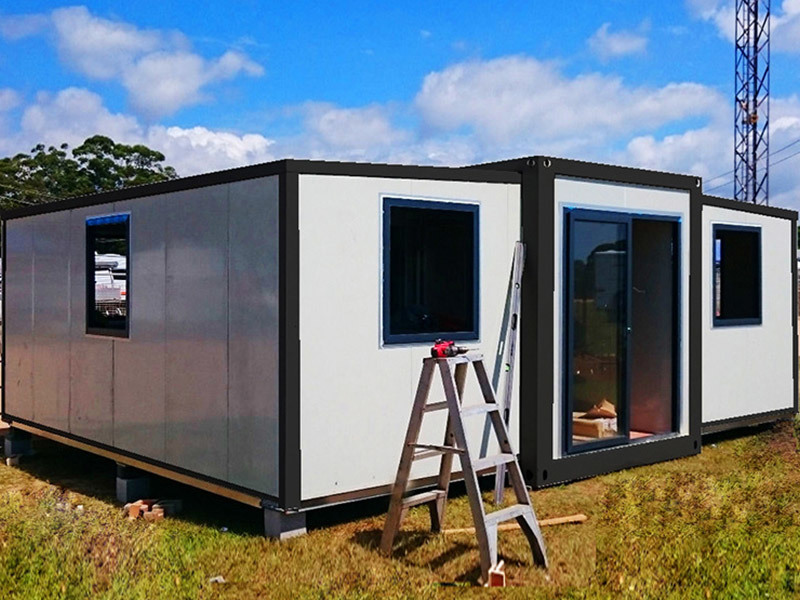
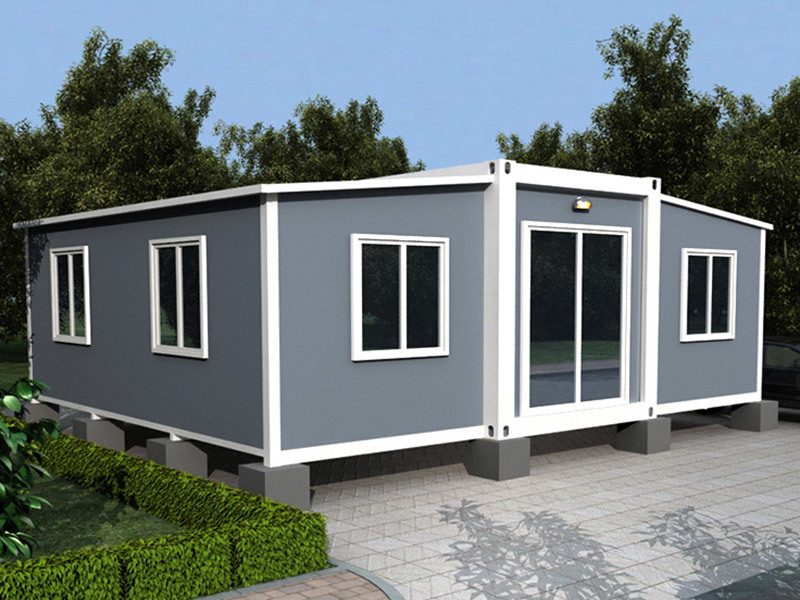
Prefab folding houses, also known as modular or prefabricated homes, are structures made from factory-built components that can be easily assembled on-site. These homes have gained immense popularity in recent years, thanks to their innovative design, cost-effectiveness, and adaptability to various environments. Their versatility is unmatched, making them suitable for a variety of housing needs, from emergency shelters to vacation homes.
The Surge in Popularity of Prefab Folding Houses
The demand for prefab folding houses has soared due to several factors, including rising housing costs, a growing focus on sustainability, and the need for rapid, flexible housing solutions. As urban populations swell and natural disasters become more frequent, innovative housing solutions are essential. Prefab folding houses cater to these needs by providing quick and affordable options without compromising on quality.
Key Features of Prefab Folding Houses
Prefab folding houses are characterized by several unique features:
- **Modular Design**: These houses can be customized and expanded easily, allowing homeowners to adapt their living spaces to changing needs.
- **Sustainability**: Many prefab homes are built using eco-friendly materials and techniques that minimize the environmental impact.
- **Cost-Effectiveness**: With reduced labor costs and shorter construction times, prefab houses offer a more affordable solution for many families.
- **Portability**: Most folding houses are designed to be easily transported, making them ideal for remote locations or temporary housing.
Diverse Applications of Prefab Folding Houses
1. Emergency Housing Solutions
One of the most significant advantages of prefab folding houses is their ability to serve as emergency housing during crises. Natural disasters like hurricanes, earthquakes, and floods can displace thousands of people, creating an urgent need for shelter. These homes can be rapidly deployed to affected areas, providing safe and temporary housing for those in need.
2. Affordable Housing Options
With the housing market becoming increasingly inaccessible for many, prefab folding houses present a viable solution. They offer an affordable alternative to traditional homes without sacrificing quality. This factor is particularly beneficial for low-income families, young professionals, and retirees seeking budget-friendly living solutions.
Government Initiatives and Affordable Housing
Various governments worldwide are recognizing the potential of prefab housing in addressing affordable housing shortages. They are investing in initiatives that promote the development of these structures to ensure that more people have access to safe and quality living conditions.
3. Vacation Homes and Getaways
Prefab folding houses are also becoming popular as vacation homes and retreats. Their customizable designs allow homeowners to create unique and cozy spaces that blend seamlessly with their surroundings. Whether situated in the mountains, by the beach, or in a forest, these homes provide a perfect escape from the hustle and bustle of daily life.
Designing Your Dream Vacation Retreat
With the flexibility to choose layouts, materials, and finishes, families can design a vacation home that reflects their personal style. From chic modern aesthetics to rustic charm, the possibilities are endless.
4. Office Spaces and Studios
As remote work becomes increasingly common, many are converting prefab folding houses into functional office spaces or art studios. These structures can be set up in backyards or unused lots, allowing professionals to create dedicated workspaces without the need for a lengthy commute.
Benefits of Using Prefab Houses as Office Spaces
- **Increased Productivity**: Having a designated workspace can boost focus and productivity.
- **Cost Savings**: Setting up a home office in a prefab house can save on rental costs associated with traditional office spaces.
- **Flexibility**: These structures can be easily relocated or modified as needs change.
The Environmental Benefits of Prefab Folding Houses
Reducing Carbon Footprint
One of the most compelling reasons to consider prefab folding houses is their reduced environmental impact. They are typically built using sustainable materials, which can significantly lower the carbon footprint associated with traditional construction methods.
Energy Efficiency and Sustainability
Many prefab homes incorporate energy-efficient technologies, such as solar panels and high-quality insulation, which reduce energy consumption and greenhouse gas emissions. This focus on sustainability makes them an appealing choice for environmentally-conscious homeowners.
Minimizing Waste in Construction
The controlled factory environment of prefab construction minimizes material waste compared to traditional building methods. By producing components in bulk and assembling them on-site, manufacturers can significantly reduce the amount of waste generated during the building process.
Challenges and Considerations for Prefab Folding Houses
1. Zoning and Regulations
Before investing in a prefab folding house, it’s crucial to understand local zoning laws and building regulations. Some areas may have restrictions on the types of structures that can be placed on a property, which can affect the feasibility of a prefab home.
2. Financing Options
While prefab folding houses can be more affordable than traditional homes, financing options may vary. Prospective homeowners should research available loans and grants specifically designed for modular homes to ensure they can secure the necessary funding.
3. Perception and Acceptance
Despite the growing popularity of prefab houses, some individuals still harbor misconceptions about their quality and durability. Educating potential buyers about the benefits and advancements in prefab technology can help dispel these myths.
FAQs about Prefab Folding Houses
1. How long does it take to build a prefab folding house?
Typically, the construction of a prefab folding house can take anywhere from a few weeks to several months, depending on the complexity of the design and the manufacturer’s timelines.
2. Are prefab folding houses customizable?
Yes, prefab folding houses can be highly customizable, allowing homeowners to choose layouts, materials, and finishes that suit their preferences.
3. What are the maintenance requirements for prefab houses?
Like any home, prefab folding houses require regular maintenance, including inspections and upkeep of roofing, plumbing, and electrical systems.
4. Are prefab folding houses energy-efficient?
Many prefab folding houses are built with energy-efficient materials and technologies, making them an eco-friendly choice that can help reduce utility costs.
5. Can prefab folding houses be moved once they are set up?
Most prefab houses are designed to be relocatable, although moving them may require professional assistance and adherence to local regulations.
Conclusion
Prefab folding houses represent a remarkable innovation in the construction industry, offering versatile, cost-effective, and sustainable solutions for a variety of housing needs. Their adaptability makes them suitable for emergency housing, affordable living, vacation getaways, and even office spaces. As the world continues to evolve and face new challenges, the role of prefab folding houses will undoubtedly expand, making them a critical component of modern housing solutions. Embracing this trend not only addresses immediate housing needs but also supports a more sustainable future for all.
Hot Tags:
Contact Us
E-mail:
Phone/WhatsApp:
Address:
No. 132 Renmin West Road, Fucheng County, Hengshui City, Hebei Province