Committed To Providing Customers With One-Stop Integrated Housing Solutions


Hebei Moerzhan Metal Products Co., Ltd.
Exploring the Benefits of Durable Passive Prefab Homes for Sustainable Living
Oct 14,2024
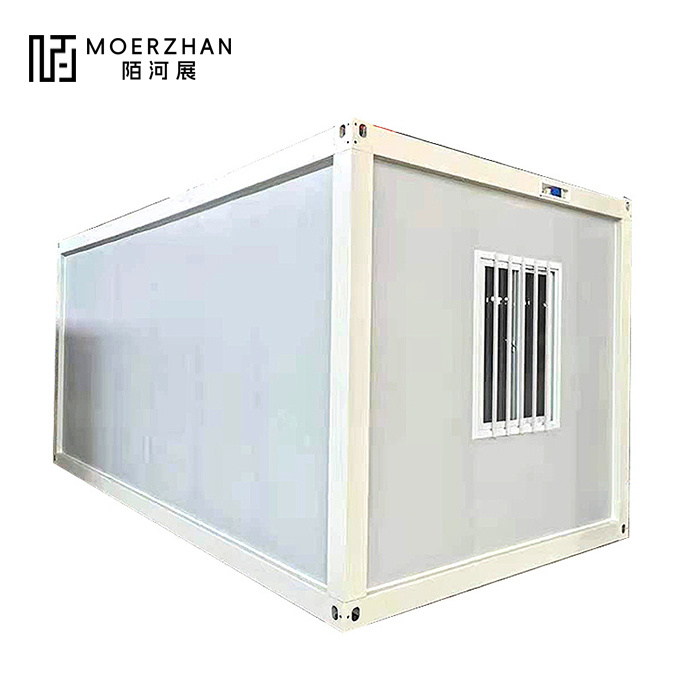
Exploring the Benefits of Durable Passive Prefab Homes for Sustainable Living
Table of Contents
- 1. Introduction to Passive Prefab Homes
- 2. What Are Passive Prefab Homes?
- 3. Advantages of Durable Passive Prefab Homes
- 4. Key Sustainability Features
- 5. Cost-Effectiveness of Passive Prefab Homes
- 6. The Living Experience in Passive Prefab Homes
- 7. The Future of Housing: Trends in Prefab Design
- 8. Frequently Asked Questions
- 9. Conclusion
1. Introduction to Passive Prefab Homes
In recent years, the construction industry has witnessed a paradigm shift towards **sustainable building practices**, primarily due to increasing awareness of environmental issues and the rising cost of energy. One of the most promising developments in this space is the advent of **durable passive prefa.b homes** These homes are engineered to provide maximum comfort while minimizing energy consumption, making them an ideal choice for eco-conscious individuals and families.
The benefits of these innovative homes extend beyond their energy efficiency. They also promote sustainable living by utilizing durable materials, reducing waste, and encouraging a harmonious relationship with nature. In this article, we will explore the multiple advantages of durable passive prefab homes and how they contribute to a more sustainable way of life.
2. What Are Passive Prefab Homes?
Passive prefab homes are modular structures designed to optimize energy efficiency and sustainable living. These homes are prefabricated, meaning they are constructed off-site in controlled environments and then assembled on-site. The term “passive” refers to the design principles employed to minimize energy use for heating and cooling, relying predominantly on the home’s orientation, thermal mass, insulation, and ventilation.
Unlike traditional homes that often lead to energy wastage, passive prefab homes are built with a focus on **eco-friendly materials** and cutting-edge construction techniques. This results in buildings that maintain comfortable indoor temperatures year-round—with minimal reliance on mechanical heating or air conditioning systems.
3. Advantages of Durable Passive Prefab Homes
The transition to durable passive prefab homes presents numerous benefits that make them an attractive option for sustainable living.
3.1 Energy Efficiency and Reduced Bills
One of the most significant advantages of passive prefab homes is their inherent energy efficiency. By employing advanced building techniques and materials, these homes achieve high levels of insulation, which results in minimal heat loss during winter and reduced heat gain during summer. This translates into lower utility bills and a substantial reduction in carbon footprint.
Furthermore, many passive prefab homes are designed to incorporate **renewable energy sources**, such as solar panels. This integration allows homeowners to generate their own electricity, thus lowering reliance on non-renewable energy and further enhancing sustainability.
3.2 Positive Environmental Impact
Durable passive prefab homes use sustainable building materials that not only reduce environmental impact but can also be sourced locally. This helps to lower transportation emissions associated with construction materials. Additionally, the design principles of passive homes decrease the overall demand for energy, contributing to a reduced carbon footprint.
The use of **low-VOC (volatile organic compound)** paints and finishes ensures healthier indoor air quality, making passive prefab homes a better choice for residents and the environment alike.
3.3 Design Flexibility and Customization
Contrary to the misconception that prefab homes lack character, durable passive prefab homes offer exceptional design flexibility. Homeowners can work with architects to customize their homes according to personal preferences, ensuring they meet aesthetic desires while adhering to passive design standards. This flexibility allows for a variety of styles, from modern minimalist to traditional designs, ensuring that every homeowner finds a perfect fit.
3.4 Faster Construction Time
The construction process for passive prefab homes is significantly expedited when compared to traditional building methods. By assembling components in a factory setting, builders can cut down on time-consuming on-site construction tasks. Typically, these homes can be completed in a matter of weeks rather than months, allowing homeowners to move in sooner while reducing labor costs.
4. Key Sustainability Features
Durable passive prefab homes are packed with sustainability features designed to enhance energy efficiency and environmental responsibility.
4.1 Advanced Insulation Materials
The cornerstone of any passive home’s energy efficiency lies in its insulation. Durable passive prefab homes utilize advanced insulation materials, such as **spray foam**, **structural insulated panels (SIPs)**, and **insulated concrete forms (ICFs)**. These materials create a thermal barrier that minimizes energy loss, ensuring a comfortable indoor environment regardless of external weather conditions.
4.2 Integration with Renewable Energy
Many durable passive prefab homes come pre-equipped or can easily be retrofitted for renewable energy systems, such as solar photovoltaic panels and solar thermal systems. This integration not only reduces energy costs but also contributes significantly to a homeowner’s sustainability goals.
4.3 Water Efficiency Systems
Water conservation is another critical aspect of sustainable living. Passive prefab homes can be designed to include **rainwater harvesting systems**, low-flow fixtures, and efficient irrigation systems. These features not only reduce water consumption but also promote responsible water management practices that are essential in the face of climate change.
5. Cost-Effectiveness of Passive Prefab Homes
While the initial investment in durable passive prefab homes may be higher than traditional homes, the long-term cost savings make them a wise financial choice. Energy-efficient designs lead to significantly lower utility bills, and many homeowners find that their solar energy systems can pay for themselves over time.
Additionally, the reduced maintenance requirements and increased durability of materials often result in lower repair costs over the lifespan of the home. Grants and tax incentives for energy-efficient homes further enhance the financial viability of passive prefab construction.
6. The Living Experience in Passive Prefab Homes
Living in a durable passive prefab home offers a unique experience that combines comfort with sustainability. The homes are designed to facilitate natural ventilation, allowing fresh air to circulate while maintaining optimal indoor temperatures. This leads to a healthier living environment free from the pollutants often found in traditionally built homes.
Moreover, the thoughtful design and use of natural materials create inviting and aesthetically pleasing spaces. Homeowners can enjoy vast windows that provide ample natural light and stunning views of their surroundings, bringing the outdoors in and creating a sense of tranquility.
7. The Future of Housing: Trends in Prefab Design
As society becomes increasingly aware of the importance of sustainable living, the demand for durable passive prefab homes is expected to rise. Future trends in housing will likely include enhanced building technologies, such as **smart home integration**, which allows for real-time energy monitoring and adjustments that further improve efficiency.
Additionally, innovations in material science will lead to even more sustainable building materials that are both eco-friendly and cost-effective. With ongoing research and development in this field, the future of housing is promising.
8. Frequently Asked Questions
1. What is the difference between passive and traditional homes?
Passive homes focus on energy efficiency and sustainable design principles, minimizing energy consumption for heating and cooling. Traditional homes may not prioritize these aspects, leading to higher energy use.
2. Are passive prefab homes more expensive than traditional homes?
While the upfront costs may be higher, the long-term savings on energy bills and maintenance often make passive prefab homes more cost-effective over time.
3. Can passive prefab homes be customized?
Yes, passive prefab homes offer significant design flexibility and can be customized to meet personal style preferences while adhering to passive design standards.
4. How do passive prefab homes handle extreme weather conditions?
The advanced insulation and thermal mass in passive prefab homes provide excellent protection against extreme weather, maintaining a comfortable indoor environment regardless of external conditions.
5. What are the environmental benefits of passive prefab homes?
Passive prefab homes reduce energy consumption, utilize sustainable materials, and promote water conservation, all of which contribute to a lower environmental impact.
9. Conclusion
Durable passive prefab homes are not just a trend—they represent a **significant shift** towards sustainable living that aligns with modern environmental values. With their superior energy efficiency, customizable designs, and a plethora of sustainability features, these homes offer a viable solution for those seeking a more eco-friendly lifestyle.
As we continue to navigate the challenges posed by climate change and resource depletion, embracing durable passive prefab homes may be one of the most effective ways to contribute to a healthier planet. By investing in these innovative structures, homeowners can enjoy the benefits of sustainable living today while ensuring a brighter future for generations to come.
Hot Tags:
Contact Us
E-mail:
Phone/WhatsApp:
Address:
No. 132 Renmin West Road, Fucheng County, Hengshui City, Hebei Province