Committed To Providing Customers With One-Stop Integrated Housing Solutions


Hebei Moerzhan Metal Products Co., Ltd.
Explore the Benefits of an In-Stock Prefab Folding Container House
Oct 16,2024

Introduction to Prefab Folding Container Houses
The concept of housing has evolved significantly over the past few decades. As urbanization accelerates and the demand for sustainable living solutions grows, **prefab folding container houses** have emerged as a viable alternative to traditional construction. These innovative structures provide a unique combination of affordability, efficiency, and adaptability, making them an excellent option for various applications, from residential living to commercial use.
In this article, we will explore the numerous benefits of investing in an **in-stock prefab folding container house**. We will delve into the reasons why these structures are gaining popularity, addressing common concerns while providing detailed insights into their advantages.
Table of Contents
- What Are Prefab Folding Container Houses?
- Key Benefits of Prefab Container Houses
- Practical Applications of Prefab Container Houses
- Choosing the Right Prefab Container House
- Understanding the Installation Process
- Common Misconceptions about Prefab Container Houses
- FAQs
- Conclusion
What Are Prefab Folding Container Houses?
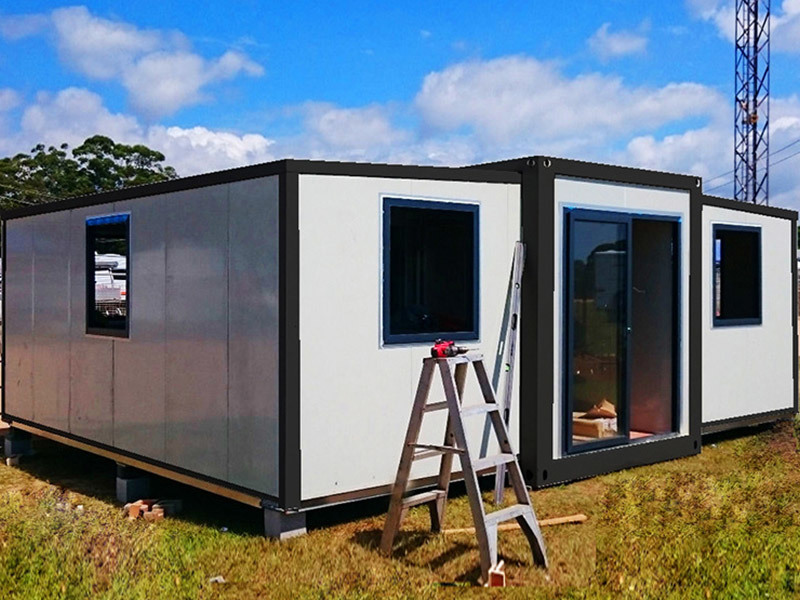
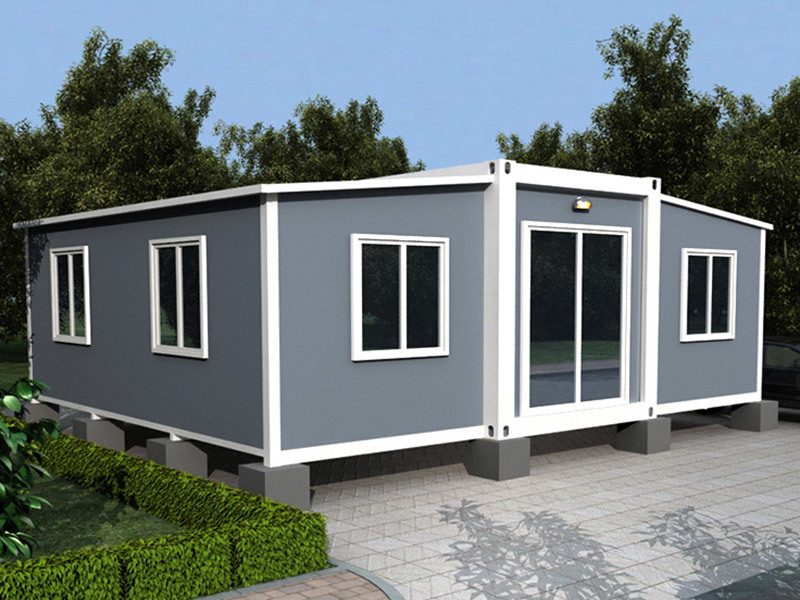
Prefab folding container houses are pre-manufactured structures made from shipping containers that can be easily transported and set up on-site. These houses are designed for efficient assembly and can often be folded or stacked for ease of transport. They come in various sizes and configurations, allowing for tailored solutions that cater to the specific needs of homeowners or businesses.
These containers are often constructed using robust materials, ensuring durability and longevity. In addition, many manufacturers offer customizable designs to suit different preferences and requirements.
Understanding the Prefab Construction Process
The construction of prefab folding container houses typically involves several stages:
1. **Design Phase**: Architects and designers create plans based on the client's specifications.
2. **Manufacturing**: The components are fabricated in a factory setting for quality control.
3. **Transportation**: Once completed, the sections are transported to the installation site.
4. **Assembly**: The final assembly occurs on-site, where the structure is erected quickly.
This streamlined process significantly reduces the overall construction time compared to traditional building methods.
Key Benefits of Prefab Container Houses
Investing in an in-stock prefab folding container house offers several compelling advantages. Below, we explore the primary benefits in detail.
Affordability
One of the most significant advantages of prefab folding container houses is their **affordability**. Traditional home construction can be prohibitively expensive, often involving extensive labor and material costs. In contrast, container houses allow for lower expenses due to:
- **Reduced Labor Costs**: The prefabrication process minimizes on-site labor requirements, which can significantly reduce overall expenses.
- **Materials Savings**: Shipping containers are often repurposed, providing a sustainable building material at a lower cost.
As a result, homeowners can achieve the dream of owning a quality structure without breaking the bank.
Quick Assembly
Time is often of the essence in construction projects, and prefab folding container houses shine in this regard. These structures can be assembled in a fraction of the time required for traditional homes. The reasons include:
- **Pre-manufactured Components**: Components are built off-site, allowing for simultaneous site preparation.
- **Simple Assembly Process**: Many prefab container houses utilize modular designs, which means they can be quickly pieced together on-site.
This efficiency is especially beneficial for businesses seeking to establish temporary or permanent facilities rapidly.
Sustainability
Sustainability is a major consideration in today’s construction landscape. Prefab folding container houses contribute significantly to eco-friendly building practices:
- **Recycling Shipping Containers**: These homes repurpose existing materials, reducing waste and conserving resources.
- **Energy Efficiency**: Many container houses are designed to be energy-efficient, utilizing insulation and eco-friendly energy systems.
By opting for a prefab container house, homeowners can reduce their environmental footprint while enjoying modern living amenities.
Design Flexibility
Another compelling aspect of prefab folding container houses is their design flexibility. Homeowners can customize their container homes in various ways:
- **Modular Configurations**: Multiple containers can be combined to create larger living spaces, catering to growing families or businesses.
- **Interior Customization**: Owners can choose layouts, finishes, and interior designs that suit their tastes and lifestyle.
This adaptability makes container houses suitable for a wide range of applications, from personal residences to commercial spaces.
Practical Applications of Prefab Container Houses
Prefab folding container houses are versatile and can serve various practical applications:
Residential Living
Many individuals and families are turning to container houses as affordable and stylish homes. With customizable designs and modern amenities, these structures offer a unique living experience.
Commercial Use
Businesses can benefit from the quick assembly and cost savings associated with prefab container houses. They are ideal for creating pop-up shops, cafes, and office spaces, especially in urban environments.
Temporary Housing Solutions
In disaster relief scenarios or for temporary worker accommodations, container houses can be deployed rapidly to provide shelter and support.
Accommodation Facilities
Container houses can also be used as unique accommodation options such as vacation rentals, hotels, or glamping sites, creating a distinct experience for guests.
Choosing the Right Prefab Container House
Selecting the right prefab folding container house involves careful consideration of several factors:
Identify Your Needs
Determine how you intend to use the space. Are you looking for a permanent residence, a temporary office, or a guest house? Understanding your needs will guide your decision-making process.
Set a Budget
Establish a budget that includes not only the cost of the container but also any customization, delivery, and installation fees. This will help you avoid unexpected expenses down the line.
Research Manufacturers
Invest time in researching reputable manufacturers. Look for companies with positive reviews, a proven track record, and transparent pricing.
Check Local Regulations
Before purchasing a prefab container house, familiarize yourself with local zoning laws and building codes. Ensuring compliance will save you time and potential legal issues.
Understanding the Installation Process
Once you've selected your prefab folding container house, it's essential to understand the installation process:
Site Preparation
Before delivery, the installation site must be prepared. This includes leveling the ground and ensuring proper drainage.
Delivery and Assembly
The container sections will be delivered to your site, where they will be assembled according to your design. This process usually takes just a few days, depending on the complexity of the project.
Utilities Installation
After the structure is assembled, utilities such as plumbing, electricity, and HVAC systems can be installed. This part of the process may require permits and inspections.
Common Misconceptions about Prefab Container Houses
Despite their growing popularity, several misconceptions surround prefab folding container houses:
They Are Unattractive
Many people associate shipping containers with industrial aesthetics, but modern designs offer a wide range of styles and finishes. Customization options allow for attractive and unique designs.
They Are Unstable
When properly designed and manufactured, prefab container houses are structurally sound and can withstand various environmental conditions.
They Are Difficult to Finance
While securing financing for a prefab container house can present challenges, more lenders are becoming familiar with this housing option. Researching specialized lenders can provide financing solutions.
FAQs
1. How much does a prefab folding container house cost?
The cost can vary significantly based on size, design, and customization options. On average, prices range from $10,000 to $100,000.
2. Are prefab container houses durable?
Yes, when built correctly, prefab container houses are highly durable and can last for decades.
3. Can I finance a prefab container house?
Yes, while it may be more challenging than traditional homes, many lenders are starting to provide financing options specifically for container houses.
4. Are prefab folding container houses energy-efficient?
Many designs incorporate energy-efficient materials and systems, making them a sustainable housing option.
5. What are the zoning laws regarding prefab container houses?
Zoning laws vary by location. It is essential to consult local regulations before purchasing and installing a container house.
Conclusion
In conclusion, the **in-stock prefab folding container house** presents a compelling option for those seeking affordable, sustainable, and flexible housing solutions. With numerous benefits such as quick assembly, design customization, and versatility for various applications, these structures are reshaping the way we think about modern living.
Investing in a prefab folding container house not only meets immediate housing needs but also aligns with sustainable practices that benefit the environment. As the construction industry evolves, embracing innovative solutions like these will pave the way for a more sustainable and efficient future. Whether for personal use or commercial applications, prefab container houses represent a forward-thinking approach to building.
Contact Us
E-mail:
Phone/WhatsApp:
Address:
No. 132 Renmin West Road, Fucheng County, Hengshui City, Hebei Province