Committed To Providing Customers With One-Stop Integrated Housing Solutions


Hebei Moerzhan Metal Products Co., Ltd.
Why Passive Prefab Homes Are the Future of Sustainable Living
Sep 20,2024
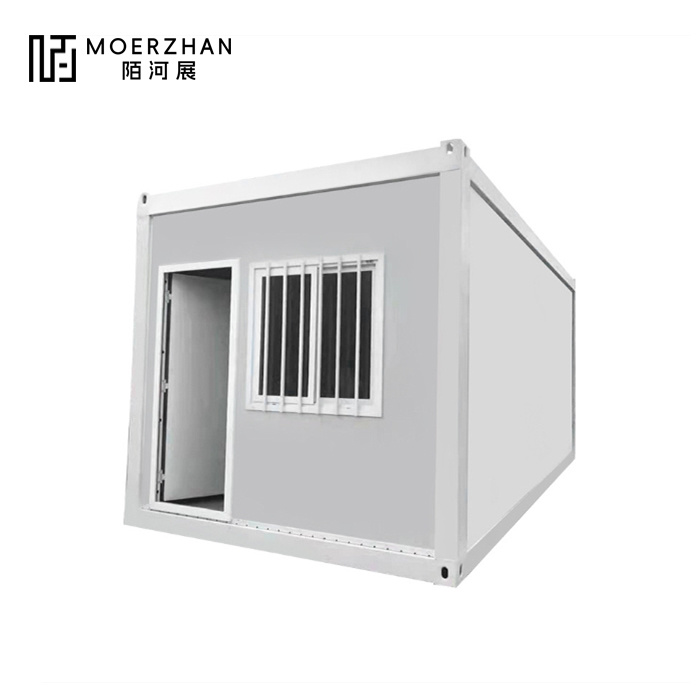
Why Passive Prefab Homes Are the Future of Sustainable Living
Table of Contents
- Introduction to Passive Prefab Homes
- What Are Passive Prefab Homes?
- Key Features of Passive Prefab Homes
- Benefits of Passive Prefab Homes
- Cost-Effectiveness of Passive Prefab Homes
- Sustainability and Environmental Impact
- Design and Aesthetic Appeal
- The Future of Passive Prefab Homes
- FAQs
Introduction to Passive Prefab Homes
In recent years, the construction industry has witnessed a significant shift towards **sustainability** and **efficiency**. Among the innovative solutions gaining traction are **passive prefab homes**. These homes not only promise to minimize the environmental impact but also offer a modern approach to living that aligns with the growing demand for green alternatives in housing.
What Are Passive Prefab Homes?
Passive prefab homes are structures designed with a focus on energy efficiency and minimal environmental impact. The term "prefab" refers to the off-site construction method where various components of the home are manufactured in a factory and assembled on-site. This process reduces waste and construction time.
Passive design principles are integrated into these homes, ensuring they maintain comfortable indoor temperatures year-round. This includes high-quality insulation, well-placed windows for natural light, and ventilation systems that reduce the need for heating and cooling.
Key Features of Passive Prefab Homes
Passive prefab homes come equipped with several key features that distinguish them from traditional homes:
1. Superior Insulation
One of the most crucial elements of a passive prefab home is its insulation. These homes utilize advanced materials that provide superior thermal resistance, helping to keep indoor temperatures stable.
2. Energy-Efficient Windows
The orientation and type of windows in passive prefab homes are optimized to maximize natural light while minimizing heat loss. Triple-glazed windows are commonly used to enhance energy efficiency.
3. Mechanical Ventilation Systems
To maintain air quality without sacrificing energy efficiency, passive prefab homes are equipped with mechanical ventilation systems that provide fresh air while recovering heat from the exhaust.
4. Renewable Energy Integration
Many passive prefab homes are designed to accommodate solar panels and other renewable energy sources, further reducing their carbon footprint and dependence on fossil fuels.
Benefits of Passive Prefab Homes
Choosing passive prefab homes comes with numerous benefits that appeal to eco-conscious consumers:
1. Reduced Energy Costs
The energy-efficient design of passive prefab homes significantly lowers heating and cooling costs. Homeowners can enjoy substantial savings on utility bills, making these homes financially attractive.
2. Enhanced Comfort
Due to their design features, passive prefab homes offer a consistently comfortable living environment. The high-quality insulation and ventilation systems work together to create a pleasant indoor climate.
3. Minimal Environmental Impact
Passive prefab homes are constructed with sustainable materials and methods, greatly reducing their ecological footprint compared to traditional homes. This aligns with the growing movement towards environmentally conscious living.
4. Quick Construction Time
With the majority of construction occurring off-site, passive prefab homes can be built much faster than conventional homes, allowing homeowners to move in sooner.
Cost-Effectiveness of Passive Prefab Homes
While the initial investment in a passive prefab home may be higher than traditional homes, the long-term savings make them a wise financial decision.
1. Long-Term Savings on Utilities
The energy efficiency of passive prefab homes leads to lower utility bills over time. Homeowners can expect to save thousands of dollars throughout the life of the home, offsetting the initial costs.
2. Maintenance Savings
Passive prefab homes are built to last, often requiring less maintenance than traditional homes. The use of high-quality materials and construction techniques means fewer repairs and replacements.
3. Potential Tax Incentives
Many governments offer tax incentives for energy-efficient homes, including passive prefab designs. Homeowners may benefit from deductions or credits that further enhance the cost-effectiveness of their investment.
Sustainability and Environmental Impact
In an era of climate change and resource depletion, passive prefab homes stand out as a solution that promotes sustainability.
1. Eco-Friendly Materials
These homes often use eco-friendly materials sourced from renewable resources. This reduces the reliance on non-renewable materials, aligning with sustainable building practices.
2. Reduced Carbon Footprint
By minimizing energy consumption and using renewable energy sources, passive prefab homes significantly reduce the carbon emissions associated with traditional home construction and operation.
3. Water Efficiency
Many passive prefab homes incorporate water-efficient fixtures and rainwater harvesting systems, further reducing their environmental impact and contributing to sustainable living practices.
Design and Aesthetic Appeal
Beyond functionality, passive prefab homes offer a unique blend of modern design and aesthetic appeal.
1. Customization Options
Passive prefab homes can be customized to meet individual style preferences. From contemporary designs to rustic finishes, there is a wide range of options available.
2. Integration with Nature
Many passive prefab homes are designed to harmonize with their natural surroundings, featuring large windows that provide stunning views and allow homeowners to connect with nature.
3. Innovative Architecture
The use of cutting-edge technology and design principles in passive prefab homes results in innovative architecture that stands out in any neighborhood, attracting those who appreciate modern living.
The Future of Passive Prefab Homes
As we look to the future, passive prefab homes are poised to become a significant part of sustainable living solutions.
1. Increased Demand for Sustainable Housing
With environmental concerns on the rise, more consumers are seeking sustainable housing options. Passive prefab homes meet this demand by combining efficiency with modern design.
2. Advancements in Technology
Ongoing advancements in building materials and construction techniques will enhance the viability and attractiveness of passive prefab homes. Innovations will continue to drive down costs and improve energy efficiency.
3. Policy Support for Green Building
As governments recognize the importance of sustainable housing, we can expect more supportive policies and incentives for passive prefab homes, further propelling their adoption.
FAQs
1. What is the difference between passive and traditional homes?
Passive homes are designed with energy efficiency as a priority, featuring superior insulation, energy-efficient windows, and ventilation systems that minimize energy consumption. Traditional homes typically do not incorporate these features.
2. Are passive prefab homes more expensive than conventional homes?
While the initial cost of a passive prefab home may be higher, the long-term savings on energy and maintenance make it a more cost-effective option over time.
3. How long does it take to build a passive prefab home?
The construction time for passive prefab homes is generally shorter than traditional homes due to the majority of work being done off-site. Homeowners can expect to move in much faster.
4. Can passive prefab homes be customized?
Yes, passive prefab homes can be customized to suit personal preferences, including layout, materials, and aesthetic design.
5. Are passive prefab homes suitable for all climates?
Yes, passive prefab homes can be designed to perform well in various climates. The key is to adapt the design to local weather conditions, ensuring optimal energy efficiency.
Conclusion
Passive prefab homes are undoubtedly paving the way for the future of sustainable living. With their energy-efficient designs, eco-friendly materials, and innovative construction methods, they represent a viable solution to the pressing challenges of climate change and resource depletion. As awareness of the benefits of passive prefab homes continues to grow, it is clear that they will play a crucial role in shaping the future of the construction industry and the way we live. Embracing this new approach to housing is not just a trend; it is a necessity for a sustainable future.
Hot Tags:
Contact Us
E-mail:
Phone/WhatsApp:
Address:
No. 132 Renmin West Road, Fucheng County, Hengshui City, Hebei Province