Committed To Providing Customers With One-Stop Integrated Housing Solutions


Hebei Moerzhan Metal Products Co., Ltd.
Exploring the Benefits of Prefab Folding Houses: A Modern Solution for Sustainable Living
Sep 06,2024

Exploring the Benefits of Prefab Folding Houses: A Modern Solution for Sustainable Living
Table of Contents
- 1. Introduction to Prefab Folding Houses
- 2. What Are Prefab Folding Houses?
- 3. Advantages of Prefab Folding Houses
- 4. Disadvantages of Prefab Folding Houses
- 5. Comparison with Traditional Houses
- 6. Real-World Examples of Prefab Folding Houses
- 7. Frequently Asked Questions
- 8. Conclusion
1. Introduction to Prefab Folding Houses
In recent years, the architectural industry has witnessed a significant shift towards more sustainable and efficient building solutions. Among these innovations, **prefab folding houses** have emerged as a frontrunner in modern construction practices. These structures not only offer practical solutions for housing but also align with the growing demand for environmentally responsible building methods. This article delves into the myriad benefits offered by prefab folding houses, highlighting their unique features and the impact they have on contemporary living.
2. What Are Prefab Folding Houses?
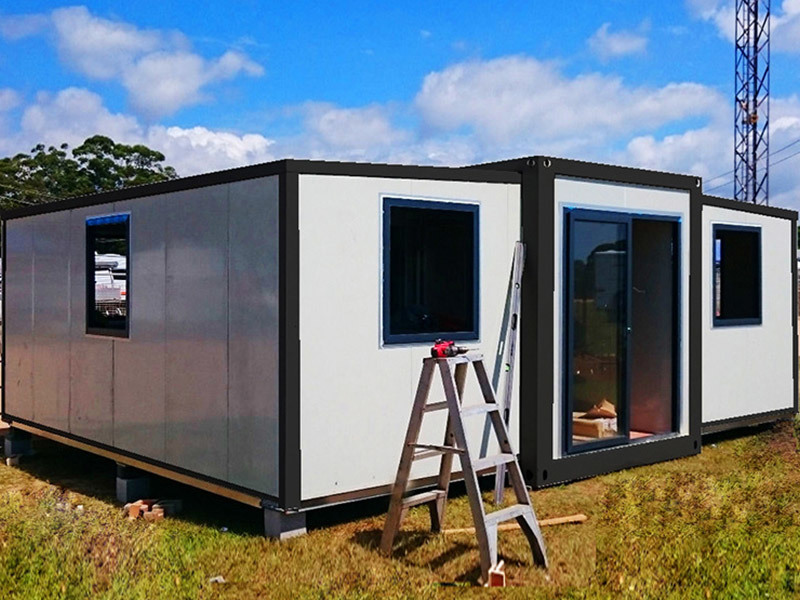
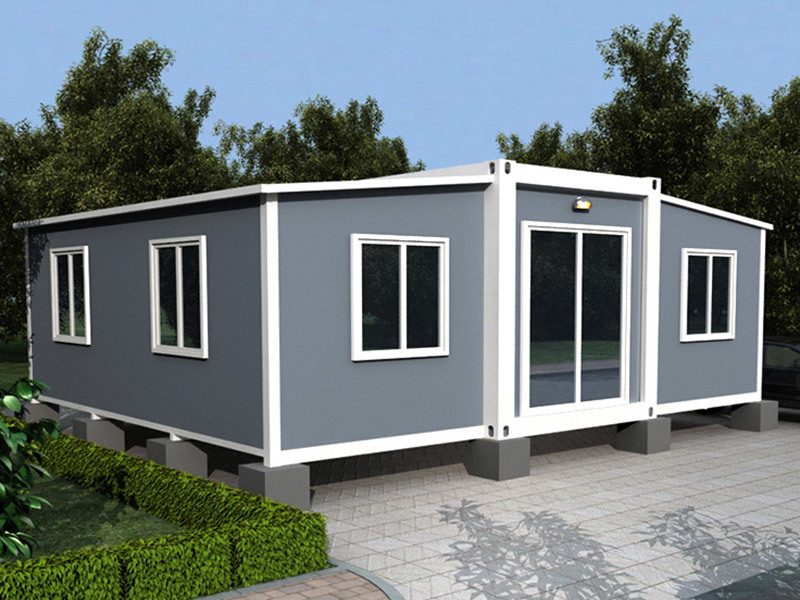
Prefab folding houses are pre-manufactured structures that can be easily assembled on-site. Unlike traditional homes, which are built brick by brick, these innovative designs are made from **modular components** that can be folded or transported conveniently. This folding mechanism allows for substantial savings in space during transportation and storage, making them an efficient choice for various geographical areas.
The materials used in construction range from wood, metal, to high-tech composites, providing durability and aesthetic appeal. As they are pre-engineered in factories, these homes are designed for quick assembly and are often customizable according to the homeowner's preferences.
3. Advantages of Prefab Folding Houses
Prefab folding houses come with an array of benefits that make them attractive to homeowners, builders, and investors alike. Let’s explore some of the most significant advantages.
3.1 Cost-Effectiveness
One of the leading advantages of prefab folding houses is their **cost-effectiveness**. Traditional construction methods often incur high labor costs, prolonged timelines, and unexpected expenses. In contrast, prefab homes minimize these issues by utilizing streamlined manufacturing processes. These homes can be produced in bulk, reducing the overall cost of materials and labor.
Additionally, the quick assembly time significantly cuts down on construction costs. Homeowners can expect to save 10-25% compared to conventional building practices, making prefab folding houses a financially viable option for many.
3.2 Sustainability
Sustainability is a critical consideration in modern construction, and prefab folding houses excel in this area. These homes are often built using environmentally friendly materials, reducing their carbon footprint. Their manufacturing processes consume less energy, and the ability to produce them in factories leads to reduced waste.
Moreover, many prefab folding houses incorporate energy-efficient features such as solar panels, green roofs, and high-performance insulation. This focus on sustainability not only benefits the environment but also results in lower utility bills for homeowners.
3.3 Design Flexibility
Prefab folding houses can be customized to fit a variety of aesthetic preferences and functional needs. Homeowners can choose from a range of designs, layouts, and finishes, allowing for a personalized living space. The modular nature of these homes enables the incorporation of various architectural elements, including open floor plans, large windows, and innovative storage solutions.
This design flexibility is particularly beneficial for those looking to maximize space or create unique living environments in urban settings.
3.4 Rapid Construction
Time is of the essence in any construction project, and prefab folding houses offer **rapid construction** times. Since the majority of the home is built in a factory setting, the potential for delays associated with weather conditions or contractor availability is significantly reduced.
Once on-site, these homes can typically be assembled within days or weeks instead of months, allowing families to move in quickly. This efficiency is especially advantageous in emergency situations or for those needing immediate housing solutions.
4. Disadvantages of Prefab Folding Houses
While prefab folding houses have numerous benefits, they are not without their challenges. Potential homeowners should consider the following disadvantages:
1. **Limited Design Options**: Although customizable, prefab homes may have more rigid design constraints than traditional houses, making it challenging to achieve specific architectural styles.
2. **Financing and Insurance**: Obtaining financing for prefab homes can sometimes be more complex than for traditional real estate, and insurance options may differ.
3. **Perception and Resale Value**: There may be a stigma attached to prefab homes, which can impact resale value and marketability.
4. **Land Requirements**: Not all land is suitable for prefab folding houses, and homeowners must ensure that their desired location accommodates these structures.
5. Comparison with Traditional Houses
When comparing prefab folding houses to traditional houses, several key differences emerge:
- **Construction Time**: Traditional homes can take several months to complete, while prefab homes can be assembled in a fraction of that time.
- **Cost**: The cost advantages of prefab homes make them an attractive alternative to the often higher expenses associated with traditional building methods.
- **Customization**: While both options provide customization, prefab homes offer modularity that allows for innovative designs without extensive alterations.
Ultimately, the choice between these two options depends on individual preferences, budget, and specific housing needs.
6. Real-World Examples of Prefab Folding Houses
Several companies have pioneered the development of prefab folding houses, showcasing their benefits through real-world applications. Notable examples include:
- **Koto Design**: Specializes in **sustainable prefab homes** that blend modern aesthetics with eco-friendly materials.
- **ShapeShift**: Features innovative modular homes that maximize space and energy efficiency, catering to urban living.
- **Blokable**: Offers a customizable, tech-enabled housing solution that addresses the affordable housing crisis.
These examples illustrate how prefab folding houses can meet diverse needs while promoting sustainable living.
7. Frequently Asked Questions
What is a prefab folding house?
A prefab folding house is a pre-manufactured housing unit that can be easily assembled on-site, designed for efficiency, sustainability, and customization.
How long does it take to build a prefab folding house?
Typically, prefab folding houses can be assembled in days to weeks, depending on the complexity of the design and local regulations.
Are prefab folding houses environmentally friendly?
Yes, they are often built with sustainable materials and energy-efficient features that reduce their environmental impact.
Can I customize a prefab folding house?
Absolutely! Many companies offer customizable options for layouts, designs, and finishes to suit individual preferences.
What are the financing options for prefab folding houses?
Financing for prefab homes can vary, but some lenders specialize in loans for modular and prefab construction, providing options to potential homeowners.
8. Conclusion
Prefab folding houses represent a significant advancement in modern architecture, combining **cost-effectiveness**, **sustainability**, and **design versatility**. As we navigate the challenges of urbanization and environmental concerns, these structures offer a viable solution that caters to the needs of contemporary living. By understanding the benefits and potential drawbacks of prefab folding houses, we can make informed decisions that align with our values and lifestyle preferences. Embracing this innovative approach to housing not only promotes personal well-being but also contributes to a more sustainable future.
Contact Us
E-mail:
Phone/WhatsApp:
Address:
No. 132 Renmin West Road, Fucheng County, Hengshui City, Hebei Province