Committed To Providing Customers With One-Stop Integrated Housing Solutions


Hebei Moerzhan Metal Products Co., Ltd.
Exploring the Benefits of Dwell Modular Homes for Sustainable Living
Sep 04,2024

Exploring the Benefits of Dwell Modular Homes for Sustainable Living
Table of Contents
- Introduction to Dwell Modular Homes
- What Are Modular Homes?
- Key Advantages of Dwell Modular Homes
- Dwell Modular Homes and the Environment
- Financial Benefits of Dwell Modular Homes
- Real-Life Examples of Dwell Modular Homes
- Frequently Asked Questions
- Conclusion
Introduction to Dwell Modular Homes
In recent years, **sustainable living** has become a central focus for individuals and families seeking to make eco-friendly lifestyle choices. Among the innovative solutions emerging in this domain are **Dwell modular homes**, which offer a blend of modern design and sustainable practices. These homes are prefabricated and designed with sustainability in mind, allowing homeowners to reduce their carbon footprint while enjoying stylish living spaces.
What Are Modular Homes?
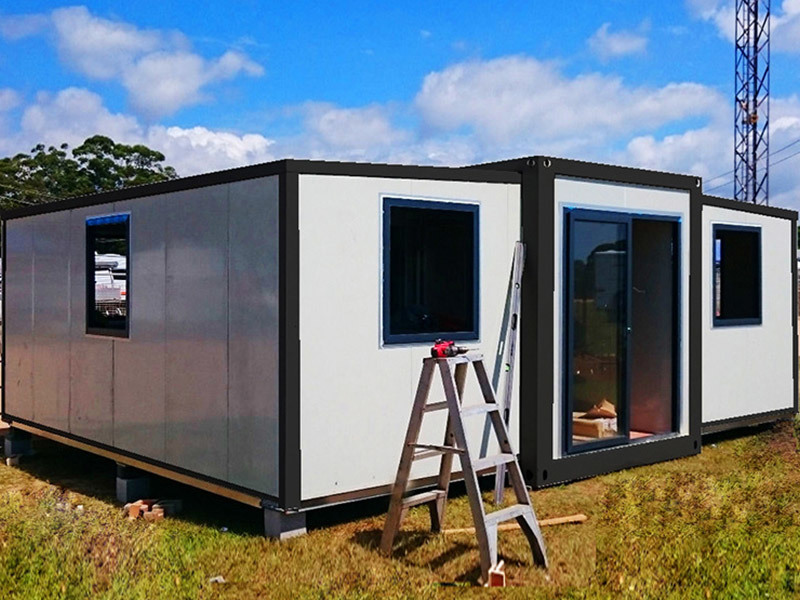
Modular homes are constructed off-site in a controlled environment, then transported to the building site for assembly. This method contrasts with traditional home building, which is often subject to weather delays and other site-related challenges. The modular construction process can lead to reduced waste and improved energy efficiency, making it a favored choice for environmentally conscious consumers.
Key Advantages of Dwell Modular Homes
Choosing Dwell modular homes comes with numerous benefits that appeal to a wide range of homeowners.
Sustainability Features
Dwell modular homes are designed with sustainability as a core principle. They often incorporate materials that are both environmentally friendly and durable. For example, many homes utilize **recycled materials** in their construction, promoting the reduction of waste. Additionally, these homes are often equipped with **energy-efficient windows and insulation**, which enhance thermal performance and reduce heating and cooling costs.
Energy Efficiency
One of the most significant advantages of Dwell modular homes is their energy efficiency. These homes can be designed to meet or exceed energy codes, utilizing advanced technologies such as **solar panels** and **high-efficiency HVAC systems**. Homeowners can benefit from significantly lower energy bills and a reduced environmental impact, aligning with the principles of sustainable living.
Cost Effectiveness
While the initial investment in a Dwell modular home may be comparable to traditional homes, the long-term savings can be substantial. Modular homes are constructed more quickly than conventional homes, which can lead to lower labor costs. Furthermore, the energy efficiency of these homes often translates to reduced utility bills, making them a financially sound choice in the long run.
Design Flexibility
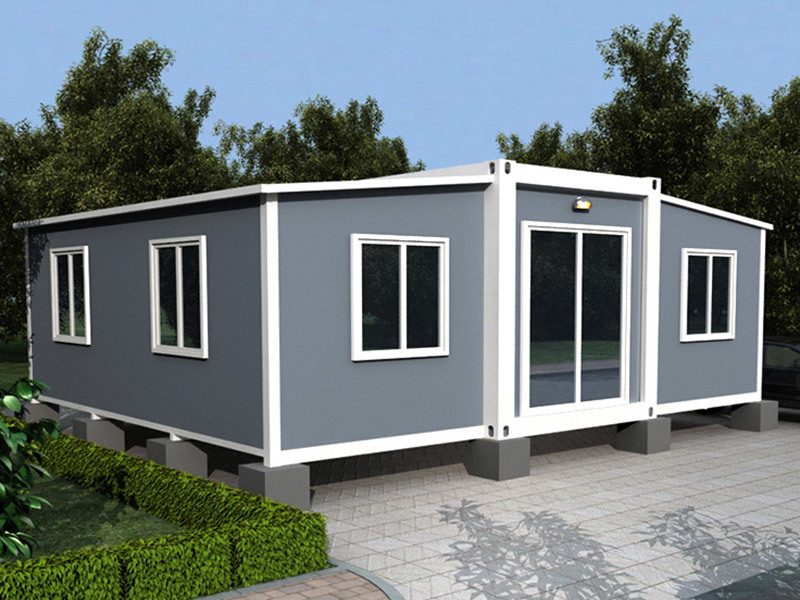
Dwell modular homes offer a level of design flexibility that traditional homes may not provide. Homebuyers can choose from various layouts, styles, and finishes, allowing for personalization that meets their aesthetic preferences and functional needs. This versatility makes Dwell homes suitable for various lifestyles, from urban settings to rural retreats.
Dwell Modular Homes and the Environment
By opting for a Dwell modular home, homeowners contribute to an overall reduction in environmental impact. The modular building process minimizes waste, as materials are used more efficiently when constructed in a factory setting. Additionally, the sustainable features of these homes help to conserve resources and promote a healthier living environment.
Financial Benefits of Dwell Modular Homes
Investing in a Dwell modular home can yield financial benefits beyond energy savings. Many local governments offer incentives for homeowners who choose sustainable building options. These incentives can include tax credits, grants, or reduced permit fees, making the transition to a sustainable home more accessible. Moreover, the growing demand for eco-friendly housing can increase property values over time, providing a solid return on investment.
Real-Life Examples of Dwell Modular Homes
Several success stories showcase the viability and appeal of Dwell modular homes. These examples vary from urban infill projects to rural retreats, demonstrating the adaptability of modular construction. For instance, a recent project in a metropolitan area incorporated Dwell modular homes into a mixed-use development, providing affordable housing options while maintaining sustainability standards. Additionally, homeowners in rural locations have embraced Dwell homes for their energy efficiency and minimal environmental impact, showcasing the versatility of these modular designs.
Frequently Asked Questions
1. What is the average cost of a Dwell modular home?
The cost of a Dwell modular home varies depending on size, design, and location, typically ranging from $100 to $400 per square foot.
2. How long does it take to build a Dwell modular home?
Construction time can vary, but Dwell modular homes are often completed within a few months, significantly faster than traditional homes.
3. Are Dwell modular homes customizable?
Yes, Dwell modular homes offer various customization options, including layouts, finishes, and eco-friendly features.
4. Can Dwell modular homes be placed in any location?
While Dwell modular homes can be placed in various locations, zoning regulations and site conditions must be considered.
5. Do Dwell modular homes require special maintenance?
Maintenance requirements for Dwell modular homes are similar to traditional homes, focusing on regular upkeep of appliances, roofing, and landscaping.
Conclusion
Dwell modular homes represent a **forward-thinking solution** for individuals seeking a sustainable lifestyle without compromising on design or comfort. With their emphasis on energy efficiency, cost-effectiveness, and environmental stewardship, these homes offer a promising path toward modern living that aligns with eco-friendly values. As we continue to navigate the challenges of climate change, choosing a Dwell modular home is not just a housing decision—it's a commitment to a more sustainable future. Embracing this innovative approach to home building can significantly impact our environment, paving the way for a healthier planet for generations to come.
Hot Tags:
Contact Us
E-mail:
Phone/WhatsApp:
Address:
No. 132 Renmin West Road, Fucheng County, Hengshui City, Hebei Province