Committed To Providing Customers With One-Stop Integrated Housing Solutions


Hebei Moerzhan Metal Products Co., Ltd.
Discover the Benefits of Living in an Unfoldable House: A Modern Solution for Sustainable Living
Aug 19,2024

Discover the Benefits of Living in an Unfoldable House
As our world evolves, so does our approach to living and housing solutions. The concept of an unfoldable house is gaining traction as a modern, sustainable alternative to traditional homes. This article will delve into the myriad benefits of living in an unfoldable house, exploring its design, functionality, and how it can transform the way we perceive homeownership.
What is an Unfoldable House?
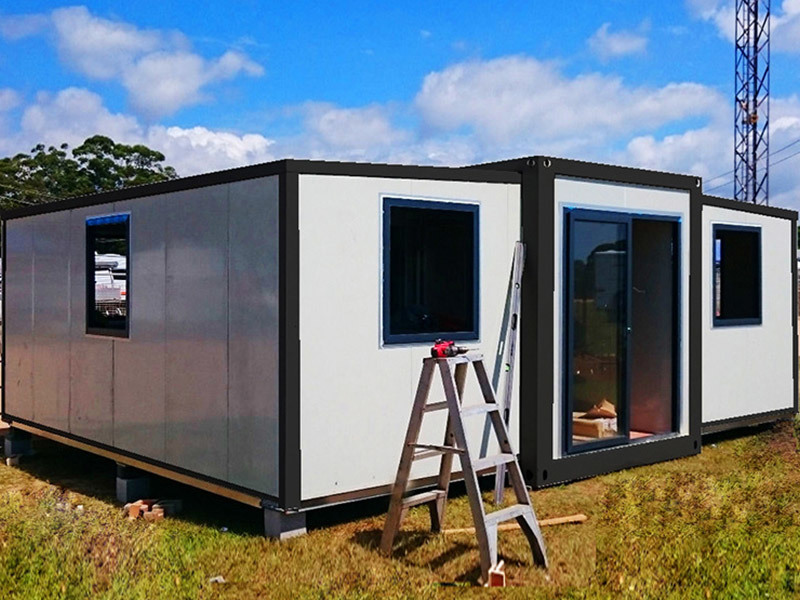
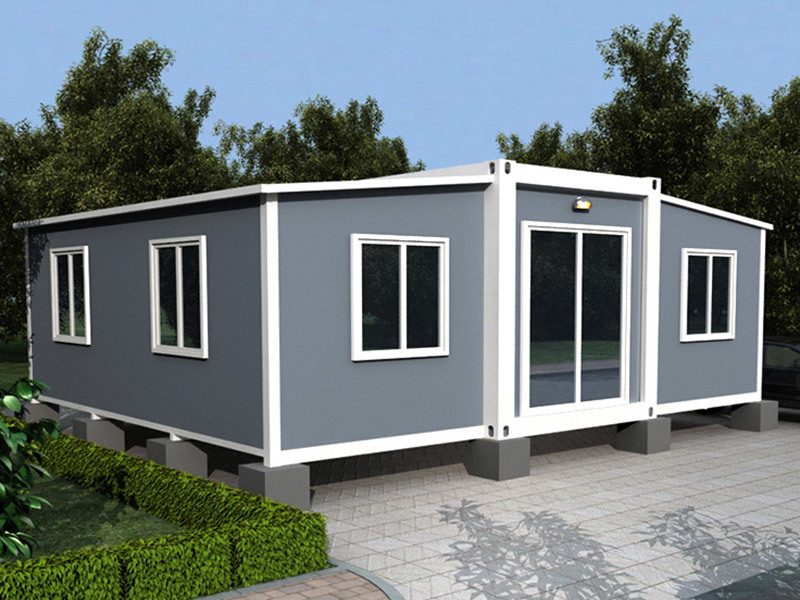
An unfoldable house is a compact, modular structure designed to be easily transported and assembled. These homes often feature innovative designs that allow them to expand and contract, adapting to the needs of their occupants. This concept is not just a passing trend; it embodies a shift towards sustainable living by maximizing space efficiency and minimizing environmental impact.
The Evolution of Housing: Why Unfoldable Houses Are Gaining Popularity
In recent years, there has been a noticeable shift in housing preferences. Urbanization, rising property prices, and environmental concerns have prompted many to seek alternative living solutions. Unfoldable houses address these challenges by providing flexible, affordable, and eco-friendly options.
Urban Living Solutions
With increasing numbers of people moving to urban areas, space is at a premium. Unfoldable houses offer a solution by providing a livable space that can be reduced or expanded as needed, making them ideal for city living, where every square foot counts.
Affordability in Housing
One of the most attractive features of unfoldable houses is their affordability. Traditional homes come with high costs, not only for construction but also for maintenance. Unfoldable houses, on the other hand, can significantly reduce these costs, making homeownership accessible to a larger demographic.
Key Benefits of Living in an Unfoldable House
1. Space Efficiency
Unfoldable houses are designed with space efficiency in mind. Their modular nature allows them to maximize usable living area without compromising comfort. This is particularly beneficial for small families or individuals living in urban settings.
2. Environmentally Friendly Design
Living in an unfoldable house promotes sustainable living. They are often constructed using eco-friendly materials and designed for minimal energy consumption. This aligns with the growing trend of environmental consciousness among homeowners, as they seek to reduce their carbon footprint.
3. Flexibility and Mobility
One of the most significant advantages of an unfoldable house is its flexibility. These homes can be relocated with ease, making them suitable for those who may need to move for work or personal reasons. Additionally, they can be expanded or contracted based on changing needs, providing a unique solution for dynamic living situations.
4. Quick Assembly and Disassembly
Unfoldable houses can typically be assembled or disassembled in a matter of hours or days, as opposed to traditional homes, which can take months or even years to complete. This rapid deployment is particularly beneficial in emergency situations or for those looking for temporary housing solutions.
5. Innovative Design and Aesthetics
The design of unfoldable houses often incorporates modern aesthetics and innovative features. With a focus on functionality and style, these homes can be customized to reflect personal tastes while remaining practical and efficient.
The Construction Process of Unfoldable Houses
The construction of unfoldable houses involves several key steps, each designed to ensure efficiency and sustainability. Understanding these steps can help potential homeowners appreciate the value of this housing solution.
1. Material Selection
Choosing environmentally friendly and durable materials is crucial. Many unfoldable houses are constructed from recycled or sustainable materials, which not only reduce environmental impact but also enhance the home’s longevity.
2. Modular Design
The modular design allows for easy transportation and assembly. Each module is pre-fabricated in a factory setting, minimizing waste and ensuring quality control.
3. Assembly and Setup
Once on-site, the modules can be quickly assembled, with minimal disruption to the surrounding area. This efficiency is a significant advantage for urban projects or temporary housing needs.
Cost Considerations: Are Unfoldable Houses Worth the Investment?
Many potential homeowners wonder about the financial implications of investing in an unfoldable house. While the initial costs may vary based on design and materials, the long-term savings can be substantial.
1. Initial Investment vs. Long-Term Savings
Although unfoldable houses may have varying initial costs, their affordability often means lower mortgage payments and reduced financial strain. Additionally, the energy-efficient design contributes to lower utility bills over time.
2. Maintenance Costs
Maintenance costs for unfoldable houses tend to be lower than traditional homes due to their materials and design. This can lead to significant savings over the lifespan of the home, making it a smart investment.
Unfoldable Houses and the Future of Sustainable Living
As we look towards the future, the rise of unfoldable houses signals a shift in how we approach living spaces. With an emphasis on sustainability, affordability, and flexibility, these homes are poised to become a popular choice among environmentally-conscious consumers.
The Role of Technology in Unfoldable Housing
Advancements in technology are playing a crucial role in the development of unfoldable houses. Smart home features, energy-efficient appliances, and sustainable building practices are becoming standard in these innovative structures.
Potential Challenges and Solutions
While unfoldable houses present numerous advantages, challenges such as zoning laws and community acceptance may arise. However, as awareness grows and more successful projects are completed, these barriers are likely to diminish.
Frequently Asked Questions (FAQs)
1. What materials are used in constructing unfoldable houses?
Unfoldable houses commonly utilize sustainable materials such as recycled steel, bamboo, and eco-friendly insulation materials to promote energy efficiency and durability.
2. How long does it take to assemble an unfoldable house?
Assembly time varies based on the design, but most unfoldable houses can be set up in a matter of hours to days, significantly faster than traditional homes.
3. Are unfoldable houses suitable for all climates?
Yes, unfoldable houses can be designed to withstand various climates. Proper insulation and materials ensure comfort in both cold and hot environments.
4. Can unfoldable houses be customized?
Absolutely! Many manufacturers allow for customization in design, layout, and finishes to suit individual preferences and lifestyles.
5. Are unfoldable houses a good investment?
Yes. Due to their affordability, low maintenance costs, and sustainability features, unfoldable houses can be a wise investment for many homeowners.
Conclusion
Living in an unfoldable house presents a unique opportunity to embrace a modern, sustainable lifestyle. With benefits ranging from affordability and flexibility to environmentally friendly designs, these homes are redefining what it means to live comfortably and responsibly. As we continue to navigate the challenges of urbanization and environmental sustainability, unfoldable houses may very well lead the way toward a harmonious future where everyone can find their place to call home.
Hot Tags:
Contact Us
E-mail:
Phone/WhatsApp:
Address:
No. 132 Renmin West Road, Fucheng County, Hengshui City, Hebei Province