Committed To Providing Customers With One-Stop Integrated Housing Solutions


Hebei Moerzhan Metal Products Co., Ltd.
How Collapsible Houses Can Foster Community Living: Building Connections Through Innovative Design
Aug 25,2024

How Collapsible Houses Can Foster Community Living
Introduction: The Concept of Collapsible Houses
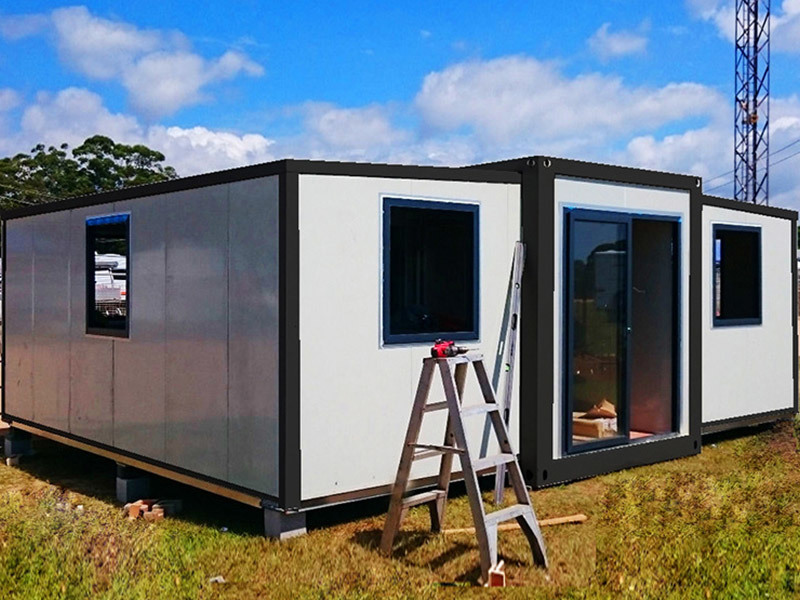
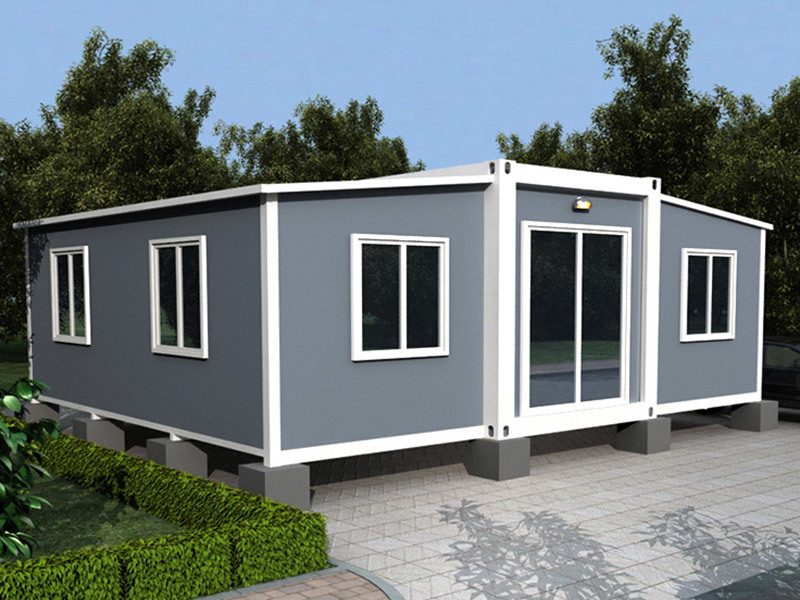
In recent years, the concept of **collapsible houses** has emerged as an innovative solution to modern housing challenges. These structures, which can be easily assembled and disassembled, offer versatility and adaptability in urban environments where space is at a premium. But beyond their practicality, collapsible houses hold the potential to transform our communities by fostering a sense of belonging and shared responsibility among residents.
The Rise of Community Living
As urbanization continues to grow, so too does the need for housing solutions that promote community living. People are increasingly seeking environments where they can connect with their neighbors, share resources, and collaborate on projects. Collapsible houses can facilitate this need by creating flexible living spaces that encourage interaction and collaboration.
The Importance of Social Interaction
Human beings are inherently social creatures. Studies have consistently shown that strong social connections significantly improve mental and emotional well-being. By designing neighborhoods with collapsible houses, we can create environments that foster social interaction, allowing residents to build relationships and support networks.
Encouraging Sustainable Living
Sustainability is another critical consideration in modern housing design. Collapsible houses often utilize eco-friendly materials and technologies, making them more sustainable than traditional homes. Moreover, the ability to rearrange living spaces means that communities can adapt to the changing needs of their residents, reducing waste and promoting efficient resource use.
Benefits of Collapsible Houses in Community Living
1. Flexibility in Design
One of the most significant advantages of collapsible houses is their flexibility. These structures can be designed to accommodate various living arrangements, from single-family homes to communal living spaces. This adaptability allows neighborhoods to evolve as the needs of their residents change over time.
2. Cost-Effective Solutions
Collapsible houses can significantly reduce construction and maintenance costs. They require fewer resources and can be quickly assembled, making them an attractive option for budget-conscious communities. This cost-effectiveness can lead to increased accessibility for low-income families, promoting inclusivity within neighborhoods.
3. Promoting Shared Spaces
Collapsible houses often come with the option for shared common areas, such as gardens, kitchens, and recreational spaces. These shared environments encourage residents to interact, collaborate, and build a sense of community, reinforcing the idea that we thrive best when we work together.
4. Emergency Response and Disaster Relief
In areas prone to natural disasters, collapsible houses can be rapidly deployed to provide shelter and safety for displaced residents. They can be constructed in a matter of days, ensuring that communities have access to safe housing during times of crisis.
5. Enhanced Community Resilience
Communities built around collapsible houses can be more resilient in the face of challenges. The ability to adapt living spaces in response to external factors—be it economic downturns, environmental changes, or population shifts—ensures that communities remain vibrant and sustainable.
Innovative Designs that Foster Community
Modular Components
Many collapsible houses use **modular components**, which can be easily interchanged or reconfigured. This design approach allows residents to customize their living spaces while also facilitating community interactions. For instance, a group of families might choose to combine their modular units into a larger, shared living space for gatherings.
Integrated Green Spaces
Incorporating green spaces into the design of collapsible houses can significantly enhance community living. Shared gardens, parks, and outdoor areas not only improve air quality but also create opportunities for residents to engage in gardening, outdoor activities, and communal events.
Community Events and Activities
Collapsible houses can be designed with communal areas that are suitable for hosting events, workshops, and social activities. These spaces can serve as hubs of engagement, where residents can come together, share skills, and build connections.
Challenges and Considerations
1. Zoning and Regulatory Issues
While collapsible houses present numerous benefits, navigating zoning laws and building codes can be a significant hurdle. Communities interested in implementing collapsible housing solutions must engage with local governments to ensure compliance with regulations.
2. Perceptions and Acceptance
Public perceptions of collapsible houses can vary. Some may view them as temporary or substandard solutions. Community education and outreach efforts are essential in fostering acceptance and understanding of the benefits these structures can provide.
3. Infrastructure and Utility Access
Integrating collapsible houses into existing urban infrastructure poses challenges, particularly in terms of access to utilities and services. Planners and developers must consider how to effectively provide essential services to these innovative housing solutions.
Real-World Examples of Collapsible Houses and Community Living
Case Study: The Urban Village Concept
One notable example of collapsible houses fostering community living is the **Urban Village Concept**. This initiative involves designing neighborhoods with modular homes that can be easily relocated or reconfigured based on the needs of the residents. The focus is on creating a vibrant community where collaboration and support are at the forefront.
Case Study: Disaster Relief Initiatives
Various organizations have successfully implemented collapsible houses in disaster relief efforts. For instance, after major earthquakes, these structures have provided immediate shelter to displaced individuals, creating temporary communities that focus on recovery and support.
How to Get Involved in Community Living Initiatives
Joining Local Housing Projects
Individuals interested in promoting community living through collapsible houses can get involved in local housing projects. Many nonprofit organizations and community groups are working to implement innovative housing solutions, and volunteer opportunities abound.
Advocating for Policy Changes
Advocacy plays a crucial role in promoting the acceptance of collapsible houses. Engaging with local government representatives and advocating for policy changes can help pave the way for more flexible housing solutions within communities.
Participating in Community Workshops
Communities often hold workshops to discuss housing needs and solutions. Participating in these events can provide valuable insights into the benefits and challenges of collapsible houses, as well as opportunities to connect with like-minded individuals.
FAQs About Collapsible Houses and Community Living
1. What are collapsible houses made of?
Collapsible houses are typically constructed using lightweight, durable materials such as steel, aluminum, or high-quality plastics. These materials allow for easy assembly and disassembly while ensuring structural integrity.
2. How do collapsible houses promote sustainability?
Collapsible houses reduce waste and resource consumption by allowing for flexible use of space and materials. They can be designed to utilize renewable energy sources, rainwater collection systems, and other eco-friendly technologies.
3. Can collapsible houses be permanent residences?
Yes, collapsible houses can serve as permanent residences. Many designs incorporate features that make them comfortable and functional for long-term living while still allowing for adaptability.
4. How can I find a community that uses collapsible houses?
Research local housing initiatives, nonprofit organizations, and community development projects that focus on innovative housing solutions. Websites and social media platforms can also provide information about existing communities.
5. What are the costs associated with building collapsible houses?
The costs vary depending on design, materials, and location. However, collapsible houses generally offer a more cost-effective alternative compared to traditional housing, especially when considering long-term maintenance and utility expenses.
Conclusion: Embracing the Future of Community Living
The potential for collapsible houses to foster community living is immense. By embracing innovative designs that promote flexibility, sustainability, and social interaction, we can create neighborhoods that not only meet our housing needs but also enhance our connections to one another. As we look toward the future of urban development, prioritizing community-centric solutions will be crucial in cultivating resilient, vibrant, and inclusive environments where everyone can thrive.
Hot Tags:
Contact Us
E-mail:
Phone/WhatsApp:
Address:
No. 132 Renmin West Road, Fucheng County, Hengshui City, Hebei Province