Committed To Providing Customers With One-Stop Integrated Housing Solutions


Hebei Moerzhan Metal Products Co., Ltd.
Exploring the Benefits of Foldable Tiny Homes: A Sustainable Living Solution
Aug 29,2024
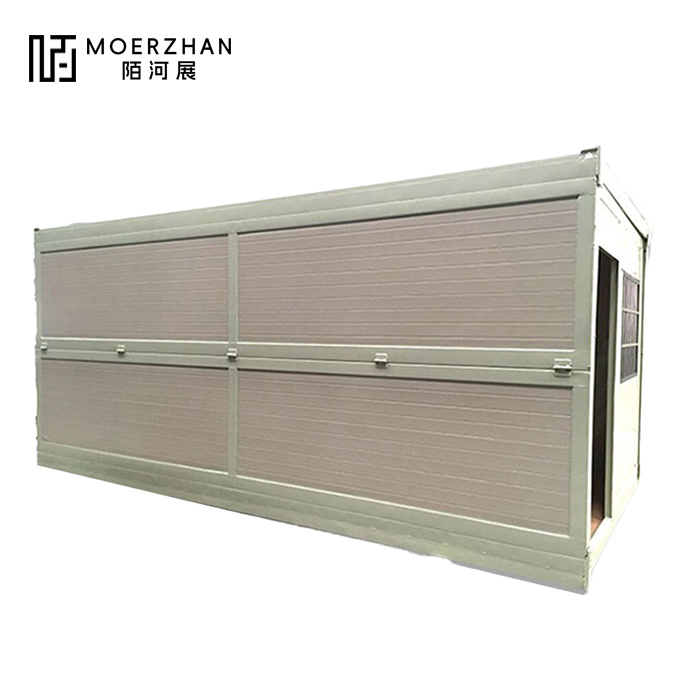
Exploring the Benefits of Foldable Tiny Homes: A Sustainable Living Solution
Introduction to Foldable Tiny Homes
In an age where the demand for sustainable living solutions is on the rise, foldable tiny homes present an innovative way to reduce our environmental footprint while enjoying a minimalist lifestyle. These compact dwellings are designed not only for efficiency but also for flexibility, making them an appealing choice for those seeking a simpler way of living. In this article, we delve into the numerous benefits of foldable tiny homes and explore how they can serve as a pivotal solution for sustainable living.
Understanding Foldable Tiny Homes
Foldable tiny homes are structures that can be easily collapsed or expanded, offering unique advantages that traditional homes do not. Their design focuses on maximizing space while minimizing the environmental impact. These homes often utilize eco-friendly materials and smart technology, making them a perfect embodiment of sustainable living.
What Makes Tiny Homes “Foldable”?
Foldable tiny homes typically feature modular designs that allow for easy assembly and disassembly. This capability makes them transportable, catering to those who wish to relocate without the hassle of selling a property. Additionally, foldable designs often include clever storage solutions, enabling residents to maximize their living space.
Why Choose a Foldable Tiny Home?
Choosing a foldable tiny home comes with a myriad of benefits, both practical and philosophical. Below are some compelling reasons why individuals and families are turning towards this sustainable living solution.
Benefits of Foldable Tiny Homes
1. Environmental Sustainability
Foldable tiny homes are designed with sustainability at their core. Constructed from eco-friendly materials, these homes reduce the carbon footprint associated with traditional construction. Their compact size also means less energy consumption for heating, cooling, and lighting, contributing to a more sustainable lifestyle.
2. Cost-Effectiveness
In an era of skyrocketing real estate prices, foldable tiny homes offer an affordable alternative. The initial investment is generally lower than that of a traditional home, and ongoing costs such as utilities, maintenance, and property taxes are also significantly reduced. This financial freedom allows individuals to allocate resources toward experiences and adventures rather than high living expenses.
3. Minimalist Living and Decluttering
Living in a foldable tiny home encourages a minimalist lifestyle. With limited space, residents are motivated to declutter and prioritize what truly matters. This shift not only enhances mental clarity but also fosters a deeper appreciation for the possessions we choose to keep.
4. Mobility and Flexibility
One of the most attractive features of foldable tiny homes is their mobility. Whether you are an adventurous soul or someone who simply wants the flexibility to change locations, these homes make it easy to pack up and move. This adaptability is particularly appealing to digital nomads and those who enjoy seasonal living.
5. Customizability and Design Freedom
Foldable tiny homes can be customized to reflect personal style and preferences. From the layout to the materials used, these homes can be tailored to fit the unique needs of their inhabitants. This level of customizability allows for a sense of ownership and pride in one’s living space.
Exploring Design Possibilities
Various design possibilities exist within the foldable tiny home framework, including modular units that can be added or rearranged based on occupant needs. This capacity for change ensures that these homes can adapt over time, accommodating growing families or shifting lifestyles.
Challenges of Living in Foldable Tiny Homes
1. Space Limitations
While the compact size of foldable tiny homes is an advantage, it can also pose challenges. Residents must be adept at utilizing space effectively, often requiring creative storage solutions and an organized mindset.
2. Zoning and Regulatory Issues
Many areas have regulations that complicate the placement of tiny homes. Individuals considering this lifestyle must research local zoning laws to ensure compliance, which can sometimes be a barrier to entry.
3. Lifestyle Adjustment
Transitioning to life in a foldable tiny home necessitates a significant lifestyle change. Individuals and families must be prepared to adapt their habits and routines, which can be daunting for some. This adjustment is essential for fully embracing the benefits of tiny living.
Foldable Tiny Homes as a Solution for Various Lifestyles
1. The Eco-Conscious Individual
For eco-conscious individuals, foldable tiny homes present a viable solution to live sustainably without compromising comfort. These homes allow occupants to reduce their ecological footprint while enjoying the conveniences of modern living.
2. Families Seeking a Simple Life
Families seeking to simplify their lives and reduce expenses are increasingly turning to foldable tiny homes. The minimalist lifestyle fosters closer family bonds and prioritizes quality time over material possessions.
3. Digital Nomads and Remote Workers
Digital nomads benefit greatly from the mobility that foldable tiny homes provide. These individuals can travel to different locations while maintaining a stable living environment, allowing them to work remotely without feeling tied down.
Case Studies: Successful Implementations of Foldable Tiny Homes
1. Tiny Home Communities
Tiny home communities have emerged as thriving hubs for those embracing the foldable tiny home lifestyle. These communities foster a sense of belonging and shared values, helping to combat social isolation while promoting sustainable living.
2. Urban Adaptations
In urban settings, foldable tiny homes can address housing shortages and provide affordable living options. They can be placed in underutilized spaces, transforming vacant lots into vibrant communities.
Frequently Asked Questions (FAQs)
1. What are the typical costs associated with foldable tiny homes?
The costs can vary widely based on design, materials, and location, but many foldable tiny homes can be built or purchased for under $50,000.
2. Are foldable tiny homes suitable for year-round living?
Yes, many foldable tiny homes are designed with insulation and energy-efficient systems that make them suitable for year-round living in various climates.
3. How do I find land to place my foldable tiny home?
Research local zoning laws and consider purchasing land in areas that permit tiny homes. Online platforms and local real estate listings can be useful resources.
4. What utilities do I need for a foldable tiny home?
Foldable tiny homes typically require basic utilities such as water, electricity, and sewage. Some designs also incorporate solar panels and rainwater harvesting systems for sustainability.
5. Can foldable tiny homes be financed like traditional homes?
Yes, some lenders offer financing options for tiny homes, though it’s advisable to check with financial institutions familiar with this type of property.
Conclusion
Foldable tiny homes represent a groundbreaking approach to sustainable living, catering to the needs of modern individuals and families while promoting eco-friendly practices. From their cost-effectiveness and mobility to their customizable designs, these homes offer a multitude of benefits that are hard to ignore. As we move towards a more sustainable future, embracing innovative solutions like foldable tiny homes can lead us to a simpler, more fulfilling way of life. Whether you are looking to downsize, reduce your ecological footprint, or simply seek a change, foldable tiny homes stand out as an attractive and practical option. The future of housing may very well lie in the foldable, inviting us all to explore the possibilities of this sustainable living solution.
Hot Tags:
Contact Us
E-mail:
Phone/WhatsApp:
Address:
No. 132 Renmin West Road, Fucheng County, Hengshui City, Hebei Province