Committed To Providing Customers With One-Stop Integrated Housing Solutions


Hebei Moerzhan Metal Products Co., Ltd.
Exploring the Sustainability of Passive Prefab Homes: A Comprehensive Guide
Aug 31,2024

Exploring the Sustainability of Passive Prefab Homes
Table of Contents
- What Are Passive Prefab Homes?
- Importance of Sustainability in Construction
- Eco-Friendly Design Principles of Passive Prefab Homes
- Energy Efficiency in Passive Prefab Homes
- Materials Used in Passive Prefab Construction
- Benefits of Passive Prefab Homes
- Challenges and Solutions in Passive Prefab Construction
- The Future of Passive Prefab Homes
- Frequently Asked Questions
What Are Passive Prefab Homes?
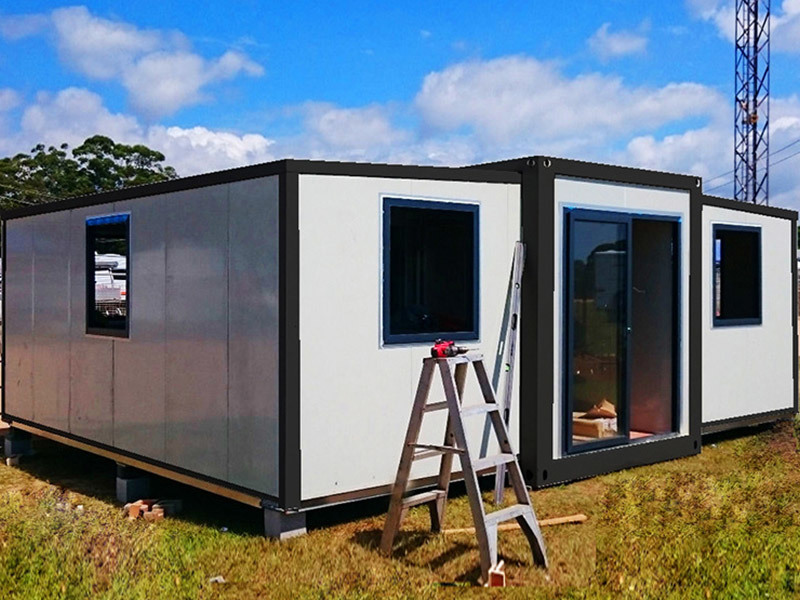
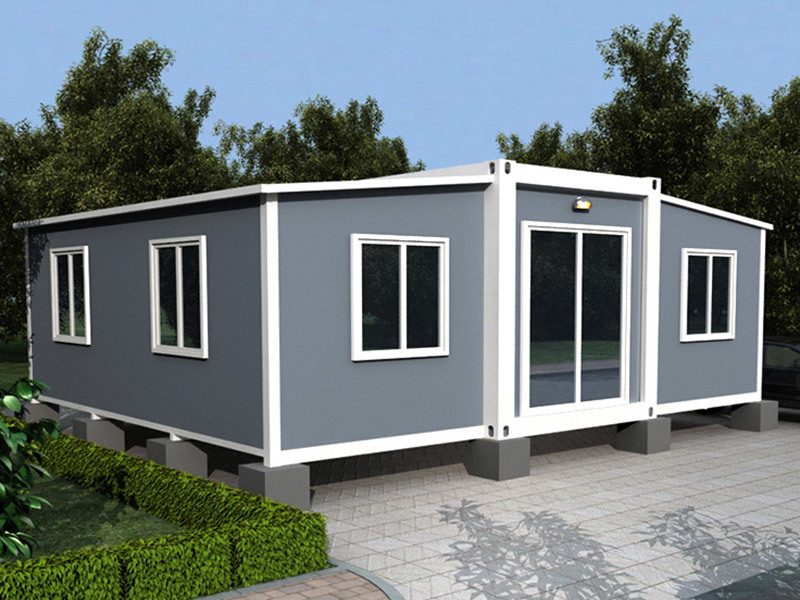
Passive prefab homes, or prefabricated passive houses, are structures designed for maximum energy efficiency, utilizing pre-manufactured components assembled on-site. These homes prioritize thermal comfort, reducing reliance on active heating and cooling systems. By focusing on airtight construction, high-insulation materials, and strategic positioning, passive prefab homes harness natural resources, leading to significant energy savings and a reduced carbon footprint.
Importance of Sustainability in Construction
The construction industry is one of the largest contributors to global greenhouse gas emissions, making sustainable practices essential for mitigating climate change. Sustainable construction aims to minimize environmental impact, promote resource conservation, and enhance occupant health and well-being. By integrating sustainability into building practices, we pave the way for a healthier planet and more resilient communities.
Eco-Friendly Design Principles of Passive Prefab Homes
Passive prefab homes are rooted in eco-friendly design principles. Key elements include:
1. Orientation and Sunlight Utilization
Strategic orientation maximizes natural light and passive solar heating. By aligning windows and thermal mass, these homes capture heat during the day and release it at night, maintaining a stable indoor temperature.
2. Air Tightness and Insulation
An airtight envelope prevents unwanted air leakage, significantly reducing energy loss. Combined with high-quality insulation materials, passive prefab homes maintain temperature with minimal energy consumption.
3. Ventilation and Indoor Air Quality
Controlled ventilation systems provide fresh air while minimizing energy loss. Heat recovery ventilators (HRVs) ensure that incoming air is pre-conditioned, maintaining a healthy indoor environment without compromising energy efficiency.
Energy Efficiency in Passive Prefab Homes
Energy efficiency is paramount in passive prefab homes. These structures achieve:
1. Low Operational Energy Use
By minimizing energy needs through superior insulation and airtightness, passive prefab homes significantly reduce operational energy consumption.
2. Use of Renewable Energy Sources
Many passive prefab homes incorporate renewable energy systems such as solar panels, further decreasing their reliance on non-renewable energy sources.
3. Reduced Utility Bills
Homeowners can expect substantial savings on utility bills due to the energy-efficient design and construction methods of passive prefab homes.
Materials Used in Passive Prefab Construction
The choice of materials plays a crucial role in the sustainability of passive prefab homes. Some commonly used materials include:
1. Sustainable Timber
Wood from sustainably managed forests offers excellent insulation properties while being a renewable resource.
2. Recycled and Recyclable Materials
Incorporating recycled materials, such as reclaimed wood or recycled steel, minimizes waste and reduces the environmental impact of new construction.
3. High-Performance Insulation
Advanced insulation technologies, such as foam or cellulose, help achieve the energy efficiency necessary for passive design.
Benefits of Passive Prefab Homes
Passive prefab homes offer numerous advantages:
1. Environmental Benefits
The reduced energy consumption and lower greenhouse gas emissions contribute to a healthier environment.
2. Healthier Living Spaces
Improved indoor air quality and natural light promote better occupant health and well-being.
3. Cost-Effective Solutions
Although the initial investment may be higher, the long-term savings on energy bills and maintenance costs make passive prefab homes a wise financial choice.
Challenges and Solutions in Passive Prefab Construction
While passive prefab homes present many benefits, challenges exist:
1. Initial Costs
The upfront costs can be higher than traditional homes. However, these costs can be offset by long-term energy savings.
2. Building Code Compliance
Navigating local building codes can be complex. Collaborating with experienced architects and builders familiar with passive design principles can mitigate this challenge.
3. Perception and Misunderstanding
Public misconceptions about prefab homes can hinder acceptance. Education and awareness campaigns can help clarify the benefits and innovations in passive prefab construction.
The Future of Passive Prefab Homes
The future of passive prefab homes looks promising as technology advances and sustainability becomes a priority. We anticipate:
1. Increased Popularity
As awareness of climate change and sustainability grows, passive prefab homes are likely to gain traction among environmentally conscious consumers.
2. Technological Innovations
Emerging technologies in building materials, energy systems, and automation will enhance the efficiency and appeal of passive prefab homes.
3. Policy Support
Government incentives and policies promoting green building practices may further drive the adoption of passive prefab homes.
Frequently Asked Questions
1. What is the difference between a passive house and a prefab home?
A passive house refers specifically to buildings designed to meet stringent energy efficiency standards, while prefab homes are structures manufactured off-site and assembled on location. Passive prefab homes combine both concepts by utilizing prefabricated components to achieve passive house standards.
2. Are passive prefab homes more expensive than traditional homes?
The initial construction costs of passive prefab homes may be higher, but they result in significant long-term savings on energy bills, making them a cost-effective investment.
3. How do passive prefab homes contribute to sustainability?
Passive prefab homes reduce energy consumption, utilize eco-friendly materials, and promote healthier living environments, all of which contribute to sustainability.
4. Can passive prefab homes be customized?
Yes, many builders of passive prefab homes offer customization options to meet the specific needs and preferences of homeowners.
5. What are the maintenance requirements for passive prefab homes?
Passive prefab homes generally have low maintenance requirements due to their durable materials and design. Regular inspections and minor upkeep can ensure longevity and efficiency.
Conclusion
Passive prefab homes represent a significant advancement in sustainable building practices. They offer a multitude of benefits, including energy efficiency, environmental sustainability, and improved indoor air quality. As we move towards a more eco-conscious society, the demand and appreciation for passive prefab homes are likely to grow. Through innovative design, the use of sustainable materials, and a focus on energy efficiency, these homes are not just a trend; they are paving the way for a greener future. Embracing passive prefab construction is a step towards a healthier planet for generations to come.
Hot Tags:
Contact Us
E-mail:
Phone/WhatsApp:
Address:
No. 132 Renmin West Road, Fucheng County, Hengshui City, Hebei Province