Committed To Providing Customers With One-Stop Integrated Housing Solutions


Hebei Moerzhan Metal Products Co., Ltd.
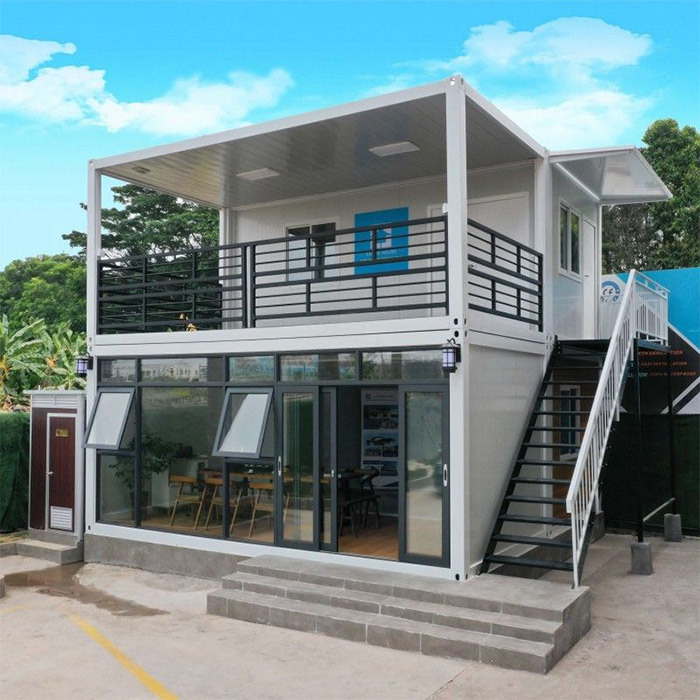
Transforming Shipping Containers into Cozy Homes: A Step-by-Step Guide
Nov 10,2026
Transforming Shipping Containers into Cozy Homes: A Step-by-Step Guide
Table of Contents
- 1. Introduction to Shipping Container Homes
- 2. Benefits of Using Shipping Containers for Housing
- 3. Innovative Design Ideas for Container Homes
- 4. Planning Your Container Home Project
- 5. Step-by-Step Construction Process
- 5.1 Site Preparation and Zoning Regulations
- 5.2 Setting the Foundation
- 5.3 Selecting the Right Shipping Container
- 5.4 Insulation Techniques for Comfort
- 5.5 Installing Plumbing and Electrical Systems
- 5.6 Interior Finishing Touches
- 6. Budgeting for Your Container Home
- 7. Sustainable Living with Container Homes
- 8. Frequently Asked Questions
- 9. Conclusion
1. Introduction to Shipping Container Homes
The concept of transforming shipping containers into cozy homes has surged in popularity over the last decade. These steel structures, once used solely for transporting goods across oceans, have found a new lease on life as innovative housing solutions. With a growing emphasis on sustainability, affordability, and unique design, shipping container homes offer a compelling alternative to traditional construction methods. In this guide, we will explore how to convert a shipping container into a comfortable living space, detailing each step of the process.
2. Benefits of Using Shipping Containers for Housing
Shipping container homes boast numerous advantages, making them an attractive option for many. Here are some key benefits:
2.1 Affordability
Shipping containers are relatively inexpensive compared to traditional building materials. This affordability allows homeowners to invest in high-quality finishes and appliances while keeping costs low.
2.2 Durability
Built to withstand harsh conditions at sea, shipping containers are incredibly durable. They can resist fire, pests, and extreme weather, making them a safe choice for housing.
2.3 Eco-Friendliness
Repurposing shipping containers contributes to sustainability efforts by reducing waste and minimizing the environmental impact of new construction. Container homes can also incorporate green technologies, such as solar panels and rainwater harvesting systems.
2.4 Versatility
Container homes can be customized to fit various needs, whether you desire a single-unit tiny home or a multi-unit complex. Their modular nature allows for creative architectural designs.
3. Innovative Design Ideas for Container Homes
The flexibility of shipping containers enables homeowners to explore unique design possibilities. Here are several innovative ideas to inspire your container home project:
3.1 Open Concept Living
Create an open-concept layout by removing interior walls. This design maximizes space and allows for natural light to flow throughout the home.
3.2 Multi-Level Structures
Consider stacking containers to create a multi-level home. This approach not only adds visual interest but also maximizes living space.
3.3 Indoor-Outdoor Living
Incorporate large sliding glass doors that open onto a deck or patio. This design fosters a seamless connection between indoor and outdoor spaces.
3.4 Sustainable Features
Implement eco-friendly designs, such as green roofs, rainwater collection systems, and solar panels. These features enhance sustainability and reduce energy costs.
3.5 Custom Interiors
Personalize your container home with custom cabinetry, fixtures, and finishes. Use materials like reclaimed wood or industrial metals to create a unique aesthetic.
4. Planning Your Container Home Project
Before diving into the construction phase, proper planning is crucial. This section outlines key considerations to ensure a successful project.
4.1 Research Local Regulations
Consult local zoning laws and building codes to ensure your container home complies with regulations. Some areas may have restrictions on container housing.
4.2 Choosing the Right Location
Select a site that offers convenient access to amenities while being mindful of natural surroundings. Consider proximity to schools, grocery stores, and healthcare facilities.
4.3 Designing the Layout
Sketch a floor plan that considers your lifestyle and needs. Think about how many bedrooms and bathrooms you require, as well as shared living spaces.
5. Step-by-Step Construction Process
Once planning is complete, it’s time to start construction. Below are the detailed steps to transform a shipping container into a cozy home.
5.1 Site Preparation and Zoning Regulations
Begin by preparing your site. Clear the area of debris and vegetation, and level the ground. Verify that you have obtained all necessary permits and approvals from local authorities.
5.2 Setting the Foundation
A solid foundation is vital for your container home’s structural integrity. Options include concrete piers, a concrete slab, or a gravel foundation, depending on your budget and soil conditions.
5.3 Selecting the Right Shipping Container
Choose a shipping container that fits your design and budget. Options include standard 20-foot or 40-foot containers. Inspect for rust, damage, and overall condition to ensure durability.
5.4 Insulation Techniques for Comfort
Insulating your container is essential for temperature regulation and comfort. Consider using spray foam insulation, rigid foam boards, or recycled denim insulation to keep your home cozy.
5.5 Installing Plumbing and Electrical Systems
Plan the layout of plumbing and electrical systems carefully. Consult professionals to ensure that installations comply with safety standards and local codes. This step is crucial for a functional living space.
5.6 Interior Finishing Touches
Once the structural elements are in place, focus on interior finishes. Paint, flooring, and cabinetry can transform your container into a stylish and welcoming home. Opt for high-quality materials that reflect your personal style.
6. Budgeting for Your Container Home
Creating a budget is essential to avoid overspending. Consider the following factors when estimating costs:
6.1 Container Costs
Prices for shipping containers can vary based on size and condition. Expect to invest between $1,500 and $5,000 for a used container.
6.2 Site Preparation and Foundation
Budget for site preparation and foundation work, which can range from a few hundred to several thousand dollars, depending on the chosen method.
6.3 Utilities and Permits
Account for costs related to utility installations and necessary permits, which can differ by location.
6.4 Interior Finishes
Interior finishing costs vary widely based on your design choices. Aim to allocate funds for quality materials to ensure longevity and aesthetic appeal.
6.5 Professional Help
If you plan to hire contractors for construction, be sure to include their fees in your budget.
7. Sustainable Living with Container Homes
Container homes are inherently sustainable, but there are additional measures you can take to enhance eco-friendliness. Consider these strategies:
7.1 Energy Efficiency
Incorporate energy-efficient appliances and lighting to reduce energy consumption. Use LED bulbs and Energy Star-rated devices for optimal efficiency.
7.2 Rainwater Harvesting
Install a rainwater collection system to capture runoff. This water can be used for irrigation or, with proper filtration, for household purposes.
7.3 Solar Energy
Solar panels can significantly reduce reliance on traditional energy sources. Consider integrating solar technology into your design for long-term savings.
7.4 Landscaping with Native Plants
Choose native plants for landscaping to minimize water usage and maintenance. Native flora is better adapted to local climates and supports local wildlife.
8. Frequently Asked Questions
8.1 Are shipping container homes safe?
Yes, shipping container homes are safe when constructed properly. They are built to endure extreme weather conditions and can be reinforced as needed.
8.2 How long do shipping container homes last?
With proper maintenance, shipping container homes can last for several decades. Regular upkeep is crucial to prevent rust and structural issues.
8.3 Can I get a mortgage for a shipping container home?
Financing options for shipping container homes may vary. Some lenders offer loans specifically for alternative housing, while others may treat them like traditional homes.
8.4 How do I insulate a shipping container?
Insulation can be achieved using materials like spray foam, rigid foam, or natural fibers. Proper insulation is vital for maintaining comfortable temperatures inside the container.
8.5 What are the zoning requirements for shipping container homes?
Zoning requirements vary by location. It’s essential to consult local zoning laws to ensure your container home complies with building codes and regulations.
9. Conclusion
Transforming shipping containers into cozy homes is not only a creative way to repurpose materials, but it also provides an affordable and sustainable housing solution. By following the steps outlined in this guide, you can embark on a rewarding journey to design and construct a unique living space that reflects your personal style and values. With careful planning, attention to detail, and a vision for your dream home, you can turn a humble shipping container into a beautiful, functional dwelling that meets your needs for years to come.
Hot Tags:
Contact Us
E-mail:
Phone/WhatsApp:
Address:
No. 132 Renmin West Road, Fucheng County, Hengshui City, Hebei Province