Committed To Providing Customers With One-Stop Integrated Housing Solutions


Hebei Moerzhan Metal Products Co., Ltd.
The Rise of Prefab Studio Homes: A Sustainable Choice
Oct 20,2026
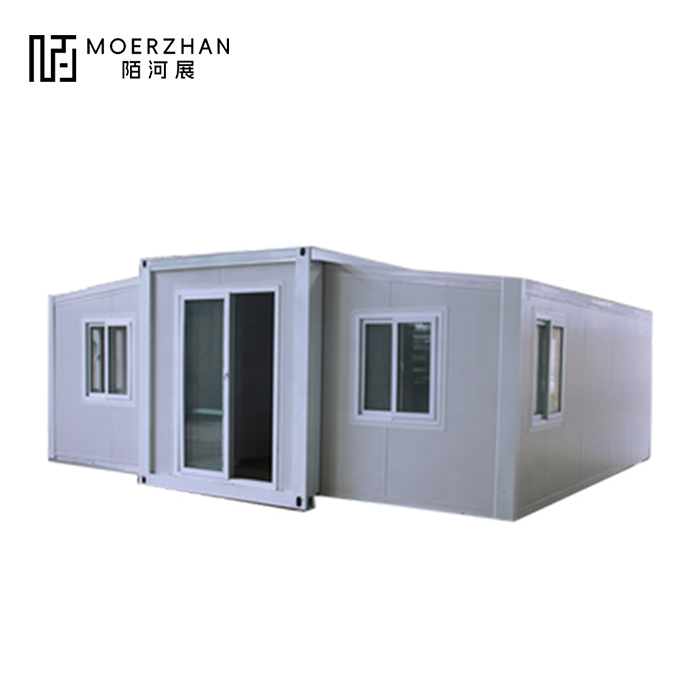
The Rise of Prefab Studio Homes: A Sustainable Choice
Table of Contents
- 1. Introduction to Prefab Studio Homes
- 2. What Are Prefab Studio Homes?
- 3. The Benefits of Prefab Studio Homes
- 3.1 Sustainability of Prefab Homes
- 3.2 Cost-Effectiveness of Prefab Studio Homes
- 3.3 Design Freedom and Customization
- 3.4 Quick Construction Times
- 4. Challenges Facing Prefab Studio Homes
- 4.1 Financing and Insurance Issues
- 4.2 Zoning and Regulatory Obstacles
- 4.3 Public Perception and Misconceptions
- 5. The Future of Prefab Studio Homes
- 6. Inspiring Examples of Prefab Studio Homes
- 7. Frequently Asked Questions
- 8. Conclusion
1. Introduction to Prefab Studio Homes
Prefab studio homes are swiftly gaining traction in the housing industry as a **sustainable alternative** to traditional building methods. These homes are constructed off-site and transported to their final location, minimizing waste and reducing the environmental footprint of construction. As sustainability becomes a priority for many homeowners, prefab studio homes are emerging as a **viable choice** for eco-conscious individuals seeking affordable yet stylish living spaces.
2. What Are Prefab Studio Homes?
Prefab studio homes, short for prefabricated studio homes, are designed and built in sections or modules at a factory. These sections are then transported to the desired site, where they are assembled into a complete home. This modern approach to homebuilding allows for a **streamlined process** that reduces both construction time and costs. Typically compact and efficient, these homes often feature open floor plans and multifunctional spaces, making them ideal for individuals or small families.
3. The Benefits of Prefab Studio Homes
Prefab studio homes present numerous advantages that appeal to a variety of homeowners. Below, we delve into some of the most compelling benefits of these innovative dwellings.
3.1 Sustainability of Prefab Homes
One of the key selling points of prefab studio homes is their commitment to sustainability. By being constructed in a controlled environment, these homes utilize resources more efficiently, reducing material waste significantly. Furthermore, many prefab homes are designed with energy-efficient systems and sustainable materials, contributing to lower energy consumption and a reduced carbon footprint. This eco-friendly approach aligns well with the growing demand for sustainable housing solutions.
3.2 Cost-Effectiveness of Prefab Studio Homes
Cost is a major factor for many potential homeowners, and prefab studio homes offer a compelling financial advantage. Building off-site allows manufacturers to capitalize on economies of scale, resulting in lower material costs. Additionally, the faster construction timeline means buyers can move in sooner, saving on temporary housing expenses. Overall, prefab homes present a more accessible entry point into homeownership without sacrificing quality or style.
3.3 Design Freedom and Customization
Contrary to the misconception that prefab homes are cookie-cutter designs, many manufacturers now offer extensive customization options. Homeowners can choose from a wide variety of layouts, finishes, and features to create a space that reflects their personal style and needs. This level of design freedom can be particularly appealing to those looking to create a unique living environment without the usual long wait times associated with custom-built homes.
3.4 Quick Construction Times
The efficiency of prefab construction leads to significantly shorter build times. While traditional homes can take months—or even years—to complete, a prefab studio home can often be assembled in just a few weeks. This is particularly advantageous for buyers looking to relocate quickly or those who simply want to minimize the disruption of a lengthy construction project.
4. Challenges Facing Prefab Studio Homes
Despite the many benefits, prefab studio homes also face several challenges that potential buyers should consider. Understanding these hurdles can help homeowners make informed decisions about their housing options.
4.1 Financing and Insurance Issues
Financing a prefab home can sometimes be more complicated than securing a mortgage for a traditional property. Many lenders may not fully understand the value of prefabricated homes, leading to potential challenges in obtaining loans or insurance. Prospective buyers should work closely with knowledgeable financial advisors who can help navigate these complexities and find suitable financing options.
4.2 Zoning and Regulatory Obstacles
Zoning laws and regulations can pose significant challenges for prefab home buyers. Some areas have strict building codes or restrictions on the types of homes that can be placed in certain neighborhoods. Before purchasing a prefab home, it's essential to research local zoning regulations and ensure that the desired location is suitable for this type of dwelling.
4.3 Public Perception and Misconceptions
Despite the growing popularity of prefab homes, public perception often lags behind. Many people still associate prefab homes with lower quality or temporary housing. Overcoming these misconceptions requires effective education and marketing from manufacturers, as well as positive testimonials from satisfied homeowners who can show the durability and aesthetic appeal of modern prefab designs.
5. The Future of Prefab Studio Homes
The future of prefab studio homes looks bright as technology continues to advance. Innovations such as 3D printing and smart home technology are set to transform how these homes are designed and built. As sustainability remains a top priority for many consumers, the demand for eco-friendly housing solutions is likely to grow. This evolution in the industry will not only enhance the appeal of prefab homes but also contribute to a more sustainable future for housing as a whole.
6. Inspiring Examples of Prefab Studio Homes
Several inspiring examples of prefab studio homes demonstrate the versatility and modern appeal of this housing option.
Example 1: The M.A.Di House
Designed by the Italian architect Andrea D'Avalos, the M.A.Di House is a modular prefabricated home made from sustainable materials. This home can be assembled in just a few days and is fully customizable to meet individual needs, showcasing the potential for stylish yet efficient living.
Example 2: The Hive Studio
The Hive Studio is a prototype developed by the company HiveHaus, focusing on modular living. This home features a unique hexagonal design and is built with eco-friendly materials, exemplifying the harmony of aesthetics and sustainability.
Example 3: The Plant House
Created by the architecture firm Studio 804, the Plant House is a sustainable prefab home that utilizes recycled materials and renewable energy systems. This innovative design highlights how prefab homes can push the boundaries of environmental responsibility while providing a comfortable living space.
7. Frequently Asked Questions
What is a prefab studio home?
A prefab studio home is a prefabricated dwelling that is built off-site in sections, which are then transported and assembled at the final location. They are known for their efficiency and sustainability.
Are prefab homes energy-efficient?
Yes, many prefab homes are designed with energy-efficient systems and sustainable materials, which can significantly reduce energy consumption and lower utility costs.
How long does it take to build a prefab studio home?
Prefab studio homes can typically be assembled in a matter of weeks, significantly shorter than traditional home construction methods, which can take months or even years.
What are the financing options for prefab homes?
Financing options for prefab homes may differ from traditional homes. Buyers should seek lenders familiar with prefab homes and explore loans specifically designed for modular construction.
What should I consider when buying a prefab home?
When buying a prefab home, consider zoning regulations, financing options, customization possibilities, and the reputation of the manufacturer to ensure a smooth purchasing experience.
8. Conclusion
The rise of prefab studio homes marks a significant shift in the housing landscape, merging sustainability with modern design and affordability. As these homes continue to gain recognition for their many benefits, including reduced environmental impact and quick construction times, they are poised to become a popular choice for eco-conscious buyers. By addressing the challenges they face, such as financing and public perception, the prefab home industry can continue to evolve and thrive, paving the way for a more sustainable future in housing.
Hot Tags:
PREVIOUS:
Contact Us
E-mail:
Phone/WhatsApp:
Address:
No. 132 Renmin West Road, Fucheng County, Hengshui City, Hebei Province