Committed To Providing Customers With One-Stop Integrated Housing Solutions


Hebei Moerzhan Metal Products Co., Ltd.
Unfolding Modular Homes: A Step Towards Sustainable Urban Development
Oct 10,2026

Unfolding Modular Homes: A Step Towards Sustainable Urban Development
Table of Contents
- 1. Introduction to Modular Homes
- 2. What Are Modular Homes?
- 3. Benefits of Modular Homes
- 4. Sustainability in Modular Housing
- 5. The Construction Process of Modular Homes
- 6. Challenges and Misconceptions About Modular Homes
- 7. Case Studies: Successful Modular Home Projects
- 8. The Future of Modular Homes in Urban Development
- 9. FAQs
- 10. Conclusion
1. Introduction to Modular Homes
In recent years, the demand for affordable and sustainable housing solutions has surged as urban populations continue to grow. **Modular homes**, characterized by their prefabricated construction and efficient design, have emerged as a viable option in the quest for sustainable urban development. This article delves into the various aspects of modular homes, exploring their benefits, construction processes, and the pivotal role they play in addressing housing challenges in urban areas.
2. What Are Modular Homes?
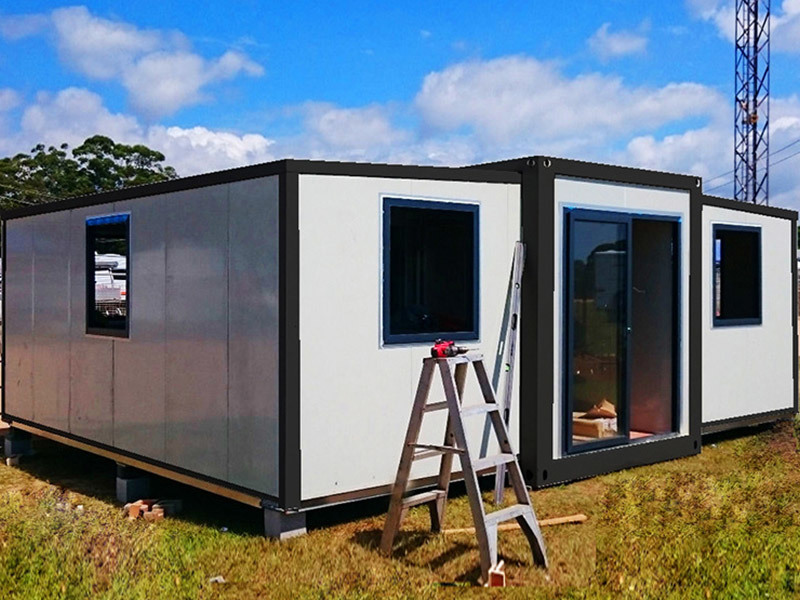
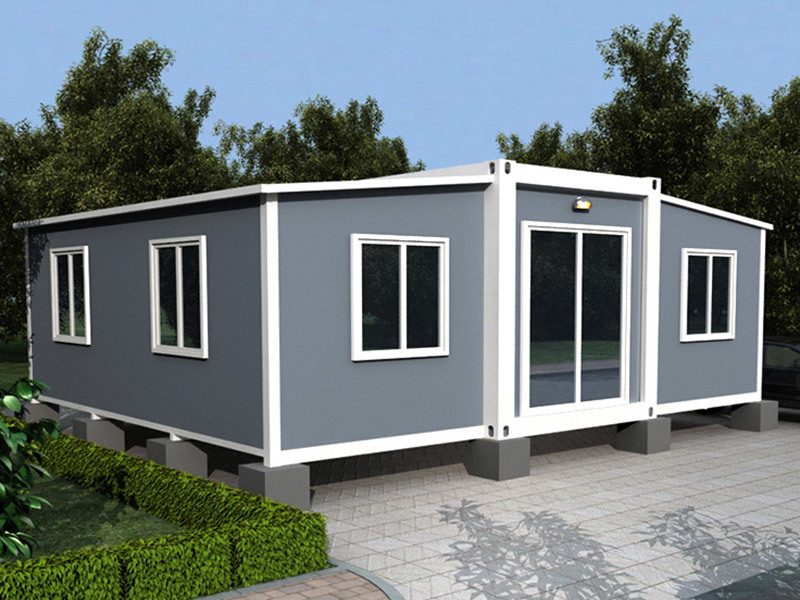
**Modular homes** are residential structures built in sections, or "modules," in a factory setting. These modules are then transported to the home site, where they are assembled on a foundation. Unlike traditional homes, which are constructed entirely on-site, modular homes offer a unique combination of efficiency, speed, and quality control.
2.1 Key Features of Modular Homes
- **Factory-Built**: Built in a controlled environment, which minimizes construction delays and ensures consistent quality.
- **Customizable Designs**: Homebuyers can choose from various floor plans and finishes to create a space that reflects their personal style.
- **Energy Efficiency**: Modular homes often incorporate energy-efficient materials and systems, leading to lower utility costs.
3. Benefits of Modular Homes
Modular homes offer numerous advantages that make them a compelling choice for modern urban development.
3.1 Cost-Effectiveness
Constructing modular homes can lead to significant cost savings due to reduced labor costs, bulk purchasing of materials, and shorter construction times. This affordability makes homeownership more accessible for many individuals and families.
3.2 Speed of Construction
The factory-based construction process allows for faster assembly and completion times. Homes can often be built in a matter of weeks rather than months, making them an ideal solution for urgent housing needs.
3.3 Quality Control
Manufacturing homes in a controlled environment ensures a higher level of quality control. This reduces the risk of construction defects and leads to a more durable final product.
4. Sustainability in Modular Housing
Sustainability is at the forefront of the modular home movement. These homes are designed to minimize environmental impact while maximizing efficiency.
4.1 Eco-Friendly Materials
Many modular home builders prioritize the use of sustainable materials, such as reclaimed wood and recycled steel, in their construction. This commitment helps reduce waste and limit the depletion of natural resources.
4.2 Energy Efficiency and Renewable Energy
Modular homes often feature energy-efficient appliances, insulation, and HVAC systems. Additionally, many homeowners choose to integrate renewable energy sources, such as solar panels, into their designs, further reducing their carbon footprint.
4.3 Reduced Construction Waste
The factory setting allows for precise material usage, minimizing waste generated during the construction process. This is a significant step towards sustainable development practices in the housing industry.
5. The Construction Process of Modular Homes
Understanding the construction process of modular homes reveals the efficiency and precision involved in their creation.
5.1 Design and Planning
The process begins with the design phase, where architects and homeowners collaborate to create a blueprint that meets their needs and preferences. This phase includes obtaining necessary permits and approvals.
5.2 Manufacturing
Once the design is approved, the modules are manufactured in a factory. This involves cutting, assembling, and finishing the various components of the home, including walls, roofs, and floors.
5.3 Transportation and Assembly
After the modules are constructed, they are transported to the site. A construction crew assembles the modules on the foundation, completing the home in a fraction of the time required for traditional building methods.
6. Challenges and Misconceptions About Modular Homes
Despite their growing popularity, modular homes face several challenges and misconceptions that can deter potential buyers.
6.1 Stigma and Misunderstanding
Many people associate modular homes with low-quality, temporary housing. This perception is changing as more high-quality, aesthetically pleasing designs emerge in the market.
6.2 Financing and Insurance Issues
Securing financing for modular homes can sometimes be more complicated than for traditional homes due to misconceptions about their value. However, many lenders are becoming more familiar with modular homes and the benefits they offer.
6.3 Zoning Regulations
Zoning laws can pose challenges in some areas, with certain municipalities having restrictions on modular homes. It’s essential for potential buyers to research local regulations before pursuing modular construction.
7. Case Studies: Successful Modular Home Projects
Several successful modular home projects demonstrate the viability and appeal of this housing solution.
7.1 The Móz Modular Home
This innovative project in California showcases the versatility of modular design. Featuring eco-friendly materials and energy-efficient systems, the Móz home exemplifies modern sustainable living.
7.2 The New Jersey Modular Housing Initiative
In response to the state’s housing crisis, New Jersey launched a modular housing initiative to provide affordable homes quickly. This program highlights the potential of modular construction to address urgent housing needs.
8. The Future of Modular Homes in Urban Development
As cities face growing populations and housing shortages, modular homes are poised to play a critical role in urban development.
8.1 Innovations in Modular Design
Advancements in technology and design are leading to even more innovative modular solutions, including multi-story modular buildings and customizable options that cater to diverse lifestyles.
8.2 Integration with Smart Technologies
The incorporation of smart home technology into modular designs enhances energy efficiency and convenience, appealing to environmentally conscious buyers.
8.3 Policy Support for Modular Housing
As governments recognize the importance of affordable housing, many are introducing policies that support modular construction, paving the way for more widespread adoption.
9. FAQs
9.1 What is the difference between modular and manufactured homes?
Modular homes are built to the same local building codes as traditional homes and are constructed in sections. Manufactured homes, on the other hand, are built on a permanent chassis and are often subject to different regulations.
9.2 How long does it take to build a modular home?
Typically, modular homes can be built in a matter of weeks, depending on the complexity of the design and the efficiency of the local site work.
9.3 Are modular homes energy-efficient?
Yes, many modular homes are designed with energy efficiency in mind, utilizing high-quality insulation and energy-efficient appliances.
9.4 Can I customize a modular home design?
Absolutely! Modular homes can be highly customizable, allowing homeowners to choose layouts, finishes, and features that suit their preferences.
9.5 Are modular homes durable?
Modular homes are built to be sturdy and durable, often exceeding building codes and standards. They undergo rigorous quality control during manufacturing, resulting in a reliable final product.
10. Conclusion
In conclusion, modular homes represent a significant step towards sustainable urban development, addressing the pressing challenges of affordability and environmental impact in housing. By combining innovative design, efficient construction methods, and a commitment to sustainability, modular homes are paving the way for a more accessible and eco-friendly future in urban living. As we continue to explore the possibilities of modular housing, it is clear that they hold the potential to transform our cities and improve the quality of life for countless individuals and families.
Hot Tags:
Contact Us
E-mail:
Phone/WhatsApp:
Address:
No. 132 Renmin West Road, Fucheng County, Hengshui City, Hebei Province