Committed To Providing Customers With One-Stop Integrated Housing Solutions


Hebei Moerzhan Metal Products Co., Ltd.
Incorporating Nature into Your Collapsible Tiny House Design: A Comprehensive Guide to Sustainable Living
Sep 30,2026
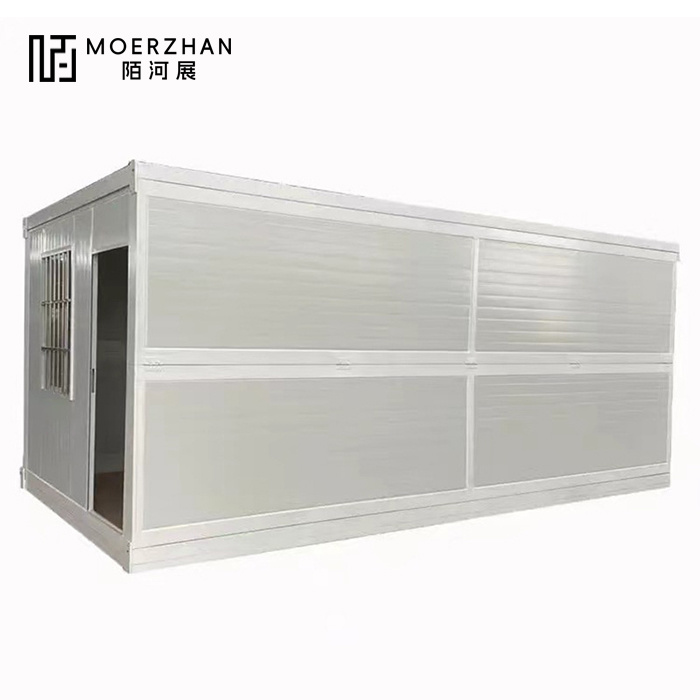
Incorporating Nature into Your Collapsible Tiny House Design
The Rise of Tiny Houses and Sustainable Living
In recent years, the movement towards tiny houses has gained significant momentum. As more individuals prioritize minimalism, affordability, and environmental sustainability, collapsible tiny houses have emerged as an innovative solution for modern living. These homes not only provide a unique lifestyle choice but also present opportunities for incorporating nature into everyday living. Embracing nature in your tiny house design can enhance your well-being, reduce your carbon footprint, and create a serene living environment.
Understanding the Importance of Biophilic Design
Biophilic design focuses on creating connections between humans and nature within built environments. By integrating natural elements into your tiny house, you can enhance emotional and physical well-being. Benefits of biophilic design include:
- **Improved Mental Health**: Exposure to natural elements reduces stress and anxiety levels.
- **Enhanced Creativity**: Natural surroundings stimulate creativity and problem-solving skills.
- **Better Air Quality**: Indoor plants and natural ventilation improve air quality, promoting overall health.
Choosing the Right Location for Your Tiny House
The first step in incorporating nature into your collapsible tiny house design is selecting the right location. Consider the following factors:
- **Proximity to Nature**: Choose a site that offers access to parks, forests, or bodies of water.
- **Sunlight Exposure**: Position your tiny house to maximize natural light and minimize energy consumption.
- **Natural Windbreaks**: Utilize existing trees or shrubs to protect your home from harsh winds while enhancing privacy.
Design Principles for Integrating Nature
Incorporating nature into your collapsible tiny house design involves thoughtful planning and consideration. Here are essential design principles to guide you:
1. Open Floor Plans
An open floor plan enhances the sense of space and allows for better airflow. This design approach fosters a seamless connection between indoor and outdoor environments, promoting a natural flow throughout the living area.
2. Large Windows and Glass Doors
Incorporating large windows and glass doors invites natural light and offers unobstructed views of the surrounding landscape. Consider floor-to-ceiling windows or sliding glass doors to create a bright, airy atmosphere.
3. Natural Materials
Opt for sustainable materials that reflect the beauty of nature. Reclaimed wood, bamboo, and stone add warmth and texture to your tiny house while minimizing environmental impact.
4. Indoor Plants
Bringing indoor plants into your tiny house design not only purifies the air but also enhances aesthetics. Choose low-maintenance plants, such as succulents or ferns, to create a calming atmosphere.
5. Outdoor Living Spaces
Maximize your outdoor space by designing a functional patio, deck, or garden area. This provides additional living space and encourages outdoor activities, allowing you to fully immerse yourself in nature.
Eco-Friendly Materials for Sustainable Tiny House Design
Selecting eco-friendly materials is crucial for building a sustainable tiny house that harmonizes with nature. Here are some options to consider:
Reclaimed Wood
Using reclaimed wood not only reduces waste but also adds character to your home. This material can be used for flooring, walls, and furniture, creating a rustic and inviting atmosphere.
Bamboo
Bamboo is a highly sustainable material known for its strength and versatility. It can be used for flooring, cabinetry, and decorative elements, providing a modern touch to your tiny house.
Low-VOC Paints and Finishes
Volatile Organic Compounds (VOCs) can negatively impact indoor air quality. Opt for low-VOC paints and finishes to promote a healthier living environment while maintaining a beautiful aesthetic.
Recycled Metal and Glass
Incorporating recycled metal and glass into your design can enhance durability and aesthetics. These materials can be used for roofing, fixtures, and decorative elements, ensuring your tiny house remains visually appealing and eco-friendly.
Designing for Energy Efficiency
Creating an energy-efficient tiny house is essential for sustainable living. Here are strategies to reduce energy consumption:
Solar Power Systems
Integrating solar panels into your tiny house design can significantly reduce reliance on grid electricity. Solar power systems harness renewable energy, allowing you to power your home sustainably while minimizing your carbon footprint.
Natural Insulation Materials
Utilize natural insulation materials, such as sheep's wool or cellulose, to improve energy efficiency. These materials provide excellent thermal performance while reducing environmental impact.
Rainwater Harvesting Systems
Incorporating rainwater harvesting systems allows you to collect and utilize rainwater for irrigation and other non-potable uses. This sustainable practice conserves water and reduces your overall ecological footprint.
Creating a Nature-Inspired Interior
The interior of your collapsible tiny house can reflect the beauty of nature through thoughtful design choices. Consider the following elements:
Natural Color Palettes
Choose a color palette inspired by nature, incorporating earthy tones, greens, and blues. This creates a calming environment that promotes relaxation and connectivity with the outdoors.
Natural Textiles
Incorporate natural textiles, such as organic cotton, linen, or hemp, for furniture upholstery and curtains. These materials add warmth and texture while being environmentally friendly.
Functional Furniture
Select multifunctional furniture that maximizes space while offering comfort. Pieces that fold or collapse can be easily stored to create open areas for relaxation or outdoor activities.
Art and Decor Inspired by Nature
Incorporate artwork and decor that reflect natural themes, such as landscapes, botanical prints, or sculptures made from natural materials. This enhances the overall ambiance while celebrating the elements of nature.
Utilizing Outdoor Spaces for Recreation and Relaxation
Outdoor spaces are essential for enhancing your connection to nature. Here are ideas for creating functional and inviting outdoor areas:
Gardening and Landscaping
Design a garden that features native plants, herbs, and vegetables. This not only beautifies the area but also provides fresh produce for your household, promoting self-sufficiency.
Outdoor Living Areas
Create comfortable outdoor living spaces with seating, fire pits, or dining areas. These spaces encourage outdoor gatherings and relaxation, allowing you to fully embrace the outdoors.
Natural Pathways and Green Spaces
Incorporate natural pathways and green spaces around your tiny house. Using gravel, mulch, or stepping stones promotes a natural look while ensuring easy access to different areas of your property.
Connecting with the Local Ecosystem
Embracing nature in your tiny house design also involves connecting with the local ecosystem. Here are ways to foster this relationship:
Supporting Local Wildlife
Design your outdoor spaces to attract and support local wildlife. Plant native flowers and install bird feeders or bat houses to encourage biodiversity in your area.
Joining Community Initiatives
Participate in local environmental initiatives, such as community gardens or clean-up events. Engaging with your community fosters a sense of belonging while promoting sustainable practices.
Maintenance and Sustainability Practices
Maintaining your collapsible tiny house involves adopting sustainable practices that further integrate nature into your lifestyle. Here are key maintenance tips:
Regular Upkeep of Natural Materials
Natural materials may require regular upkeep to maintain their aesthetic and structural integrity. Schedule periodic inspections and maintenance to ensure they remain in optimal condition.
Adopting Sustainable Cleaning Practices
Utilize eco-friendly cleaning products and methods to minimize environmental impact. Homemade cleaners, such as vinegar and baking soda, can effectively clean your tiny house without introducing harmful chemicals.
Seasonal Adaptations
Make adjustments to your living space with the changing seasons. Use natural fabrics and materials to create a cozy atmosphere in winter, while incorporating airy textiles in summer for comfort.
FAQs about Incorporating Nature into Your Tiny House Design
1. What are the benefits of living in a collapsible tiny house?
Living in a collapsible tiny house promotes minimalism, affordability, and sustainability. It encourages a simpler lifestyle focused on experiences rather than material possessions.
2. How can I make my tiny house more energy-efficient?
Incorporate solar panels, natural insulation, and energy-efficient appliances to reduce energy consumption and minimize your carbon footprint.
3. What plants are best for indoor spaces in a tiny house?
Low-maintenance plants such as succulents, snake plants, and pothos are excellent choices for indoor spaces, purifying the air and enhancing aesthetics without requiring extensive care.
4. How can I maximize outdoor living space in a tiny house?
Design functional outdoor areas with seating, gardens, and pathways that encourage outdoor activities and relaxation, making the most of your property.
5. What materials are best for a sustainable tiny house design?
Opt for reclaimed wood, bamboo, low-VOC paints, and recycled materials to create a sustainable tiny house that harmonizes with nature and minimizes environmental impact.
Conclusion
Incorporating nature into your collapsible tiny house design not only enhances your living experience but also contributes to a sustainable lifestyle. By embracing biophilic design principles, eco-friendly materials, and thoughtful outdoor spaces, you can create a harmonious environment that prioritizes well-being and sustainability. As you embark on your tiny house journey, let the beauty of nature inspire your design choices, fostering a deeper connection to the world around you. Through careful planning and a commitment to sustainability, your tiny house can become a sanctuary that celebrates the wonders of nature while promoting a fulfilling, eco-conscious lifestyle.
Hot Tags:
Contact Us
E-mail:
Phone/WhatsApp:
Address:
No. 132 Renmin West Road, Fucheng County, Hengshui City, Hebei Province