Committed To Providing Customers With One-Stop Integrated Housing Solutions


Hebei Moerzhan Metal Products Co., Ltd.
Collapsible Houses on Wheels: The Future of Sustainable Living
Sep 10,2026

Collapsible Houses on Wheels: The Future of Sustainable Living
Table of Contents
- Introduction to Collapsible Houses on Wheels
- What Are Collapsible Houses?
- Benefits of Collapsible Houses on Wheels
- Design and Technology Behind Collapsible Homes
- Environmental Impact of Mobile Living
- Affordability and Lifestyle Changes
- Regulatory Considerations for Mobile Homes
- The Future of Collapsible Houses on Wheels
- Frequently Asked Questions
Introduction to Collapsible Houses on Wheels
In an era where sustainable living is not just a trend but a necessity, **collapsible houses on wheels** have emerged as a compelling solution to various housing challenges. These innovative structures combine mobility, compact design, and eco-friendliness, making them ideal for those seeking a minimalistic lifestyle. With the increasing need for affordable housing and environmentally conscious living, collapsible homes offer a future-forward alternative that aligns with modern values.
What Are Collapsible Houses?
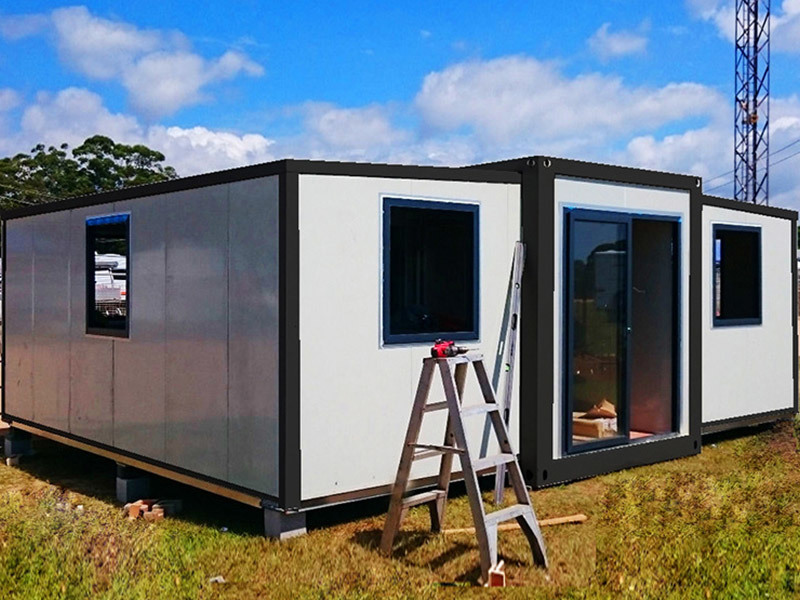
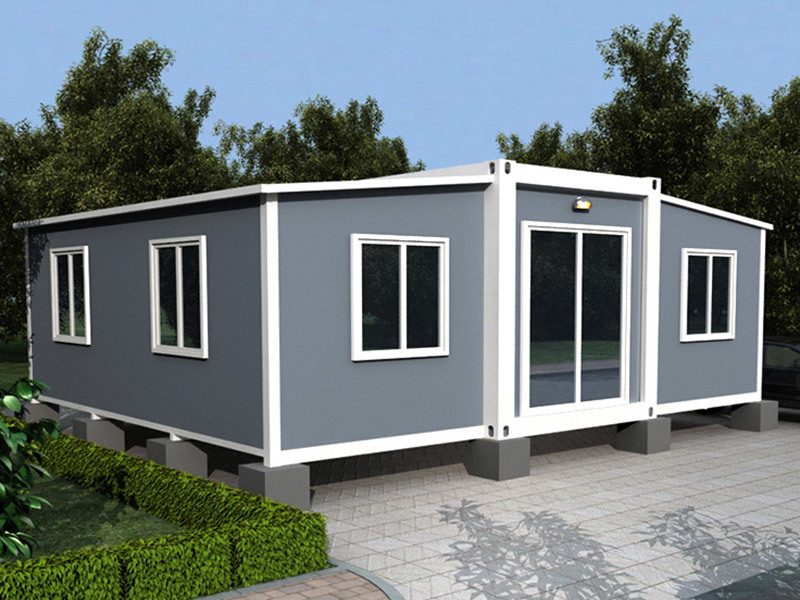
Collapsible houses, also known as **tiny homes on wheels**, are compact living structures designed to be portable and easily assembled. Unlike traditional homes, these structures can be collapsed into a smaller footprint for transport, making them perfect for individuals or families who desire flexibility.
These homes often utilize advanced engineering and materials to ensure they are sturdy yet lightweight. The designs range from simple, minimalist spaces to more complex configurations with multiple rooms and amenities.
Key Features of Collapsible Houses
1. **Mobility**: Designed to be towed by vehicles, allowing for easy relocation.
2. **Eco-Friendly Construction**: Made from sustainable materials, reducing the environmental impact.
3. **Space Efficiency**: Optimized layouts that maximize functionality in limited space.
4. **Quick Assembly**: Can be set up or taken down within hours, making it convenient for users.
Benefits of Collapsible Houses on Wheels
The shift towards **collapsible houses on wheels** is fueled by numerous advantages that appeal to diverse demographics. Understanding these benefits can help potential homeowners make informed decisions about their living arrangements.
1. Sustainability
Collapsible homes are often constructed with eco-friendly materials, minimizing the overall carbon footprint. Many designs incorporate renewable energy sources, such as solar panels, further enhancing their sustainability.
2. Affordability
With housing prices soaring, collapsible houses present a financially viable option. These homes typically cost significantly less than traditional houses, making homeownership attainable for many.
3. Flexibility
The ability to relocate with ease allows homeowners to adapt to changing life circumstances. Whether moving for a job, family needs, or personal choice, collapsible houses can follow you wherever you go.
4. Minimalistic Lifestyle
Living in a smaller space encourages a decluttered lifestyle. Fewer possessions and simplified living can lead to reduced stress and a greater focus on experiences rather than material goods.
Design and Technology Behind Collapsible Homes
The architecture of collapsible houses blends creativity with functionality. Cutting-edge technology plays a crucial role in optimizing space and ensuring durability.
Innovative Designs
Architects and designers are continually experimenting with new layouts and materials. Some popular designs include:
- **Foldable Walls**: Walls that can be folded or retracted to create more space.
- **Modular Components**: Homes built from independent modules that can be assembled in various configurations.
- **Smart Home Features**: Integration of technology to enhance energy efficiency and security.
Construction Materials
Sustainable materials such as bamboo, reclaimed wood, and recycled metals are often used in the construction of these homes. These materials not only reduce environmental impact but also provide unique aesthetic qualities.
Environmental Impact of Mobile Living
The environmental benefits of collapsible houses extend beyond their construction. These homes often utilize fewer resources over their lifespan compared to traditional houses.
1. Reduced Land Use
Collapsible houses require less land, enabling denser communities that preserve natural spaces. This promotes a more sustainable approach to urban planning.
2. Lower Energy Consumption
Many collapsible houses are designed for energy efficiency, utilizing natural light and ventilation to reduce reliance on heating and cooling systems.
3. Waste Reduction
With fewer materials required for construction and maintenance, collapsible homes contribute to significant waste reduction—benefiting the planet.
Affordability and Lifestyle Changes
The financial benefits of collapsible houses are not limited to purchase price. Homeowners often experience lower ongoing costs, impacting their overall lifestyle.
1. Lower Utility Bills
Smaller living spaces lead to decreased utility consumption, translating to significant savings on energy bills.
2. Minimal Maintenance Costs
With fewer materials used in construction, maintenance costs are often lower than those associated with traditional homes.
3. Lifestyle Freedom
The flexibility of living in a collapsible house allows individuals to travel, move for jobs, or simply change their environment, leading to a more adventurous and fulfilling lifestyle.
Regulatory Considerations for Mobile Homes
While collapsible houses offer numerous benefits, navigating the regulatory landscape can present challenges. Understanding local zoning laws, building codes, and mobile home regulations is essential for potential homeowners.
1. Zoning Laws
Many areas have specific zoning regulations that dictate where mobile homes can be parked or placed. It is crucial to check local laws to ensure compliance.
2. Building Codes
Meeting building codes for safety and structural integrity is vital. Homeowners should work with professionals to ensure their collapsible home adheres to all necessary codes.
3. Permits and Licensing
Depending on the state or municipality, permits may be required for the construction or placement of collapsible houses. Researching these requirements beforehand can save time and resources.
The Future of Collapsible Houses on Wheels
As societal values shift towards sustainability and minimalism, the future of collapsible houses on wheels appears promising. Innovations in technology, design, and construction materials will likely continue to enhance the appeal of these homes.
1. Advancements in Smart Technology
The integration of smart technology will likely become more prevalent, allowing for enhanced energy efficiency and user control.
2. Sustainable Communities
We may see the emergence of entire sustainable communities built around collapsible houses, promoting shared resources and collective living.
3. Increased Awareness and Acceptance
As more people recognize the benefits of collapsible houses, acceptance will grow, allowing for wider adoption and support from communities and governments.
Frequently Asked Questions
1. How much do collapsible houses cost?
The cost can vary widely depending on design and features, but they generally range from $20,000 to $100,000.
2. Are collapsible houses safe in extreme weather?
Many collapsible houses are designed with safety features that can withstand various weather conditions, but it's important to select a reputable manufacturer.
3. Can I get a mortgage for a collapsible house?
Financing options vary by lender, but some offer loans specifically for tiny homes or mobile houses.
4. How long does it take to set up a collapsible house?
Most collapsible houses can be set up within a few hours, but this can vary based on the specific model and design.
5. Do I need to own land to place a collapsible house?
Not necessarily; many owners choose to park their collapsible homes in RV parks or designated areas that allow mobile living.
Conclusion
Collapsible houses on wheels represent an exciting frontier in the pursuit of sustainable living. Offering a blend of mobility, affordability, and eco-friendliness, these innovative homes cater to a growing demographic seeking alternative lifestyles. As technology and design continue to evolve, the potential for collapsible houses to transform the housing market is significant. Embracing this modern approach to living can lead to richer experiences, a smaller ecological footprint, and the freedom to explore new horizons.
Hot Tags:
Contact Us
E-mail:
Phone/WhatsApp:
Address:
No. 132 Renmin West Road, Fucheng County, Hengshui City, Hebei Province