Committed To Providing Customers With One-Stop Integrated Housing Solutions


Hebei Moerzhan Metal Products Co., Ltd.
Incorporating Smart Home Technology in Your Collapsible House: The Future of Flexible Living
Jun 22,2026

Introduction to Smart Home Technology in Collapsible Houses
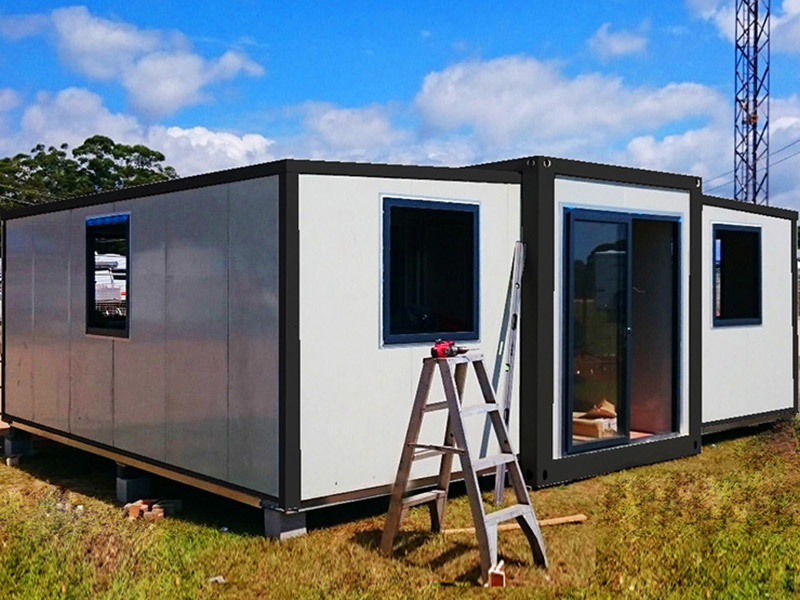
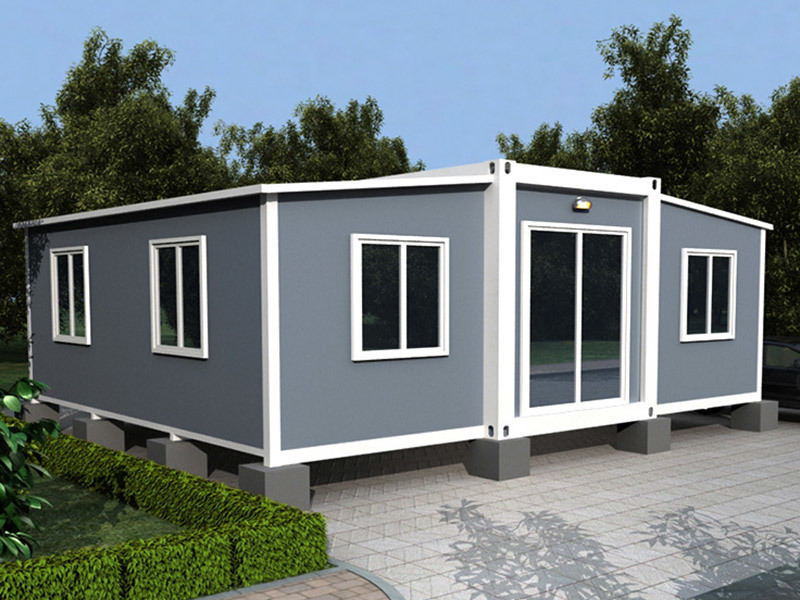
As the world evolves, so does our approach to living spaces, and **collapsible houses** are at the forefront of this transformation. These innovative structures not only provide flexible living solutions but also accommodate modern lifestyle demands. By **incorporating smart home technology**, homeowners can enhance convenience, security, and energy efficiency, making collapsible houses a viable option for the future. In this article, we explore the integration of smart technology into collapsible homes, presenting a comprehensive guide to creating a **smart, adaptable living environment**.
The Rise of Collapsible Houses
Collapsible houses have gained popularity for their versatility and efficiency. These structures can be easily assembled and disassembled, making them ideal for temporary or mobile living situations. As urban populations grow and housing demands increase, collapsible houses offer a solution that is both sustainable and affordable. However, the **integration of smart home technology** elevates these houses beyond mere structures; it turns them into intelligent living spaces designed to meet the demands of modern life.
What Are Smart Home Technologies?
Smart home technologies refer to a range of devices and systems that enhance the functionality of a home through automation and connectivity. These technologies include **smart thermostats, lighting systems, security cameras**, and **voice-activated assistants**. By leveraging these tools, homeowners can control various aspects of their living environment remotely or through an integrated system. The benefits of smart home technology include increased security, energy efficiency, and improved convenience.
Why Smart Home Technology Benefits Collapsible Houses
Incorporating smart home technology into collapsible houses brings numerous advantages:
1. **Enhanced Energy Efficiency**: Smart thermostats and energy monitoring systems help regulate energy consumption, reducing costs and environmental impact.
2. **Improved Security**: Smart locks, cameras, and sensors offer real-time monitoring and alerts, ensuring safety in a mobile or temporary setting.
3. **Convenience and Comfort**: Automation allows homeowners to control lighting, temperature, and appliances via smartphone apps, adapting their environment as needed.
4. **Space Optimization**: Smart furniture and appliances can be integrated into collapsible designs, maximizing space without sacrificing functionality.
Designing a Smart Collapsible House
When designing a collapsible house with smart technology, several factors come into play, from structural considerations to selecting the right devices. Here are essential components to consider:
1. Structural Considerations
The design of a collapsible house must accommodate smart technology without compromising its functionality. Key structural considerations include:
- **Connectivity**: Ensure that the house has a robust and reliable internet connection to support smart devices. Consider pre-wiring for network cables or incorporating a mobile hotspot.
- **Space for Devices**: Allocate space for devices such as smart hubs and sensors. This is crucial in smaller, collapsible designs where space is limited.
2. Choosing the Right Technology
Selecting the appropriate smart technologies is essential for maximizing the benefits of a collapsible house. Consider the following:
- **Smart Thermostats**: Devices like the Nest Learning Thermostat allow for remote temperature control and energy monitoring.
- **Smart Security Systems**: Choose comprehensive systems with cameras, motion sensors, and smart locks for enhanced security.
- **Smart Lighting**: Adjustable lighting that can be controlled via apps or voice commands creates a customizable ambiance.
3. Automation Systems
Integrating automation systems can enhance the functionality of your collapsible house. Consider incorporating:
- **Voice Control**: Devices such as Amazon Echo or Google Home allow for seamless voice commands, making home management effortless.
- **Home Automation Hubs**: Devices like SmartThings or Apple HomeKit serve as central systems to connect and manage multiple smart devices.
Challenges of Integrating Smart Technology
While the benefits of incorporating smart technology into collapsible houses are significant, there are also challenges to consider:
1. Cost of Implementation
The initial investment for smart home technology can be high. Homeowners must evaluate the costs versus long-term benefits, considering energy savings and increased property value.
2. Technical Knowledge and Maintenance
Not all homeowners are tech-savvy. Ensuring that users are comfortable with technology and providing ongoing maintenance can be a challenge.
3. Compatibility Issues
With numerous brands and systems available, compatibility between devices can be an issue. It's essential to choose technologies that work well together to create a cohesive smart home experience.
Best Practices for Smart Home Integration
To maximize the effectiveness of smart home technology in your collapsible house, follow these best practices:
1. Start Small
Begin with essential devices, such as smart lighting and a thermostat, before expanding to more advanced systems. This approach allows for manageable costs and learning curves.
2. Focus on Energy Efficiency
Prioritize devices that improve energy efficiency, like smart thermostats and energy-monitoring plugs. These investments yield significant savings over time.
3. Ensure Robust Security
Invest in a comprehensive security system that includes smart locks, cameras, and motion sensors. Regularly update software and change passwords to enhance security.
Future Trends in Smart Collapsible Homes
As technology continues to evolve, the future of smart collapsible houses looks promising. Upcoming trends include:
1. Increased Sustainability
Future designs will likely integrate sustainable materials and energy-efficient technologies, further enhancing the eco-friendliness of collapsible houses.
2. Enhanced Connectivity with IoT
The Internet of Things (IoT) will play a significant role in future smart homes, with devices communicating seamlessly to provide a fully integrated living experience.
Conclusion
Incorporating smart home technology into your collapsible house redefines modern living, providing convenience, security, and energy efficiency. As the demand for flexible living solutions continues to grow, smart technology will play an essential role in enhancing the functionality and adaptability of these innovative homes. By carefully considering the integration of smart devices and systems, homeowners can create a sustainable, intelligent living environment that meets the challenges of today and the future.
FAQs
1. What is a collapsible house?
A collapsible house is a modular structure designed for easy assembly and disassembly, offering flexibility for temporary or mobile living situations.
2. How does smart home technology work?
Smart home technology utilizes internet-connected devices and systems to automate and control various home functions, enhancing convenience and efficiency.
3. What are the benefits of smart home technology in collapsible houses?
Benefits include improved energy efficiency, enhanced security, convenience through automation, and optimized use of limited space.
4. Can I retrofit my existing collapsible house with smart technology?
Yes, most existing structures can be retrofitted with smart technologies, though considerations for connectivity and space will be necessary.
5. Are smart devices compatible with all collapsible houses?
Compatibility varies by device and brand. It is essential to research and select devices that work well together to create a cohesive smart home ecosystem.
Hot Tags:
Contact Us
E-mail:
Phone/WhatsApp:
Address:
No. 132 Renmin West Road, Fucheng County, Hengshui City, Hebei Province