Committed To Providing Customers With One-Stop Integrated Housing Solutions


Hebei Moerzhan Metal Products Co., Ltd.
Exploring the Benefits of Foldable Prefab Houses: A Sustainable Housing Solution
Mar 24,2026
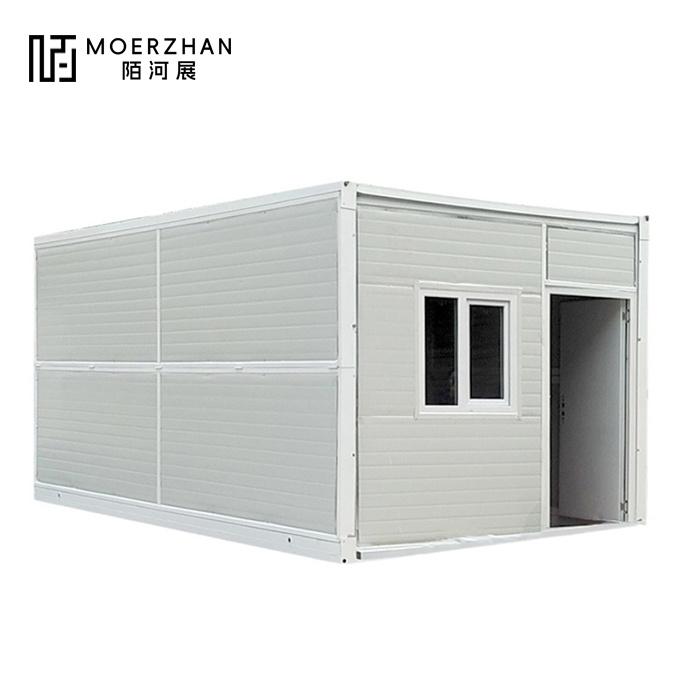
Exploring the Benefits of Foldable Prefab Houses
Introduction to Foldable Prefab Houses
Foldable prefab houses are revolutionizing the way we think about residential construction. These innovative structures combine modern design with sustainable practices, catering to various needs, from affordable housing to luxury retreats. Unlike traditional homes, foldable prefab houses can be easily transported, assembled, and even disassembled, making them an attractive option for homeowners and developers alike.
The Rise of Prefabricated Housing
The trend towards prefabricated housing has gained immense popularity in recent years, driven by a growing need for sustainable and efficient building solutions. Foldable prefab houses stand out in this revolution due to their unique features.
What Are Foldable Prefab Houses?
Foldable prefab houses are modular homes constructed from pre-made sections that can be folded and transported as needed. This design offers both versatility and practicality, making it easier for homeowners to adapt their living space based on their lifestyle and environmental factors.
Historical Context and Evolution
Prefab housing has its roots in the early 20th century, with the first examples seen during the post-World War II housing boom. However, the concept has evolved significantly, with contemporary designs focusing on sustainability, energy efficiency, and modern aesthetics. Today, foldable prefab houses incorporate advanced materials and technologies to create comfortable, stylish living spaces.
Benefits of Foldable Prefab Houses
Foldable prefab houses offer a plethora of advantages that make them an attractive choice for both individuals and developers. Let's explore these benefits in detail.
1. Cost-Effectiveness
One of the most compelling advantages of foldable prefab houses is their affordability. The streamlined construction process reduces labor costs and minimizes material waste, resulting in a more economical building solution. Additionally, the rapid assembly time means homeowners can move in sooner, saving on temporary housing expenses.
Budget-Friendly Construction
Foldable prefab houses often require less upfront investment compared to traditional homes. Their modular nature allows for flexible budgeting, enabling homeowners to choose finishes and upgrades according to their financial plans.
2. Eco-Friendliness
Sustainability is at the heart of foldable prefab houses. These homes are typically built using environmentally friendly materials, and their efficient construction process reduces the carbon footprint associated with traditional building methods.
Energy Efficiency
Many foldable prefab houses are designed with energy efficiency in mind. Features like high-quality insulation and energy-efficient windows minimize energy consumption, helping homeowners save on utility bills while reducing their environmental impact.
3. Quick Construction and Assembly
The rapid construction and assembly process of foldable prefab houses is a significant advantage for homebuyers. These homes can often be built in a matter of weeks, allowing families to move in sooner than with traditional construction methods.
Minimal Disruption
The efficient building process minimizes site disruption, making it an ideal option for urban settings where space is limited. Less time on-site means less noise and inconvenience for neighbors, making foldable prefab houses a socially responsible choice.
4. Versatility and Customization
Foldable prefab houses are incredibly versatile, catering to a wide range of lifestyles and needs. Homeowners can choose from various designs, layouts, and finishes, allowing them to create a personalized living space.
Adaptable Spaces
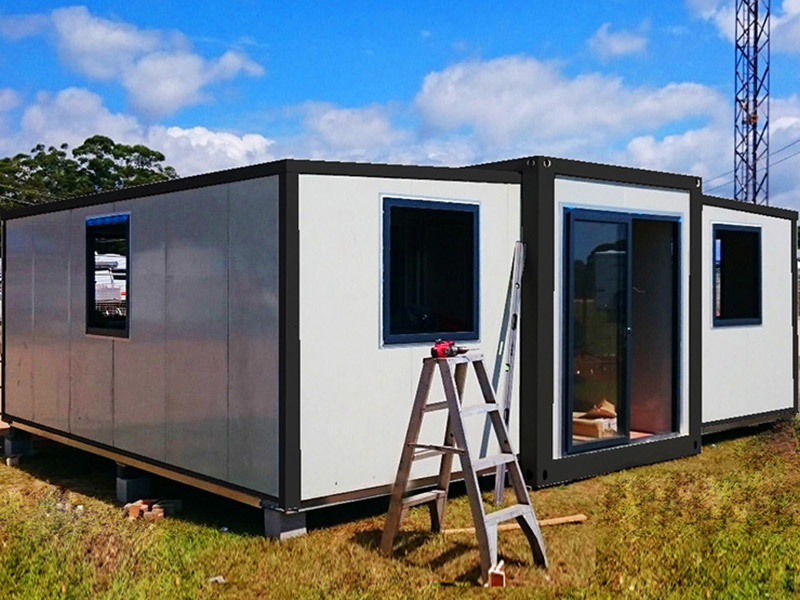
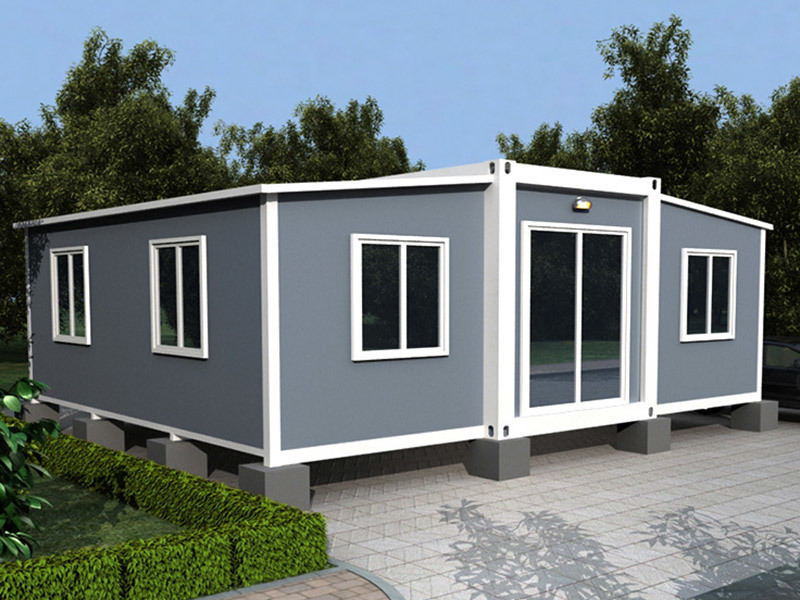
As life circumstances change, so can foldable prefab houses. Their modular nature allows for expansions or modifications, enabling homeowners to adapt their living space as needed. This flexibility is perfect for families that may grow or for those who require additional space for work or hobbies.
5. Innovative Design
Modern foldable prefab houses come equipped with cutting-edge design elements that prioritize both aesthetics and functionality. These homes often feature open floor plans, large windows for natural light, and contemporary finishes that appeal to today's homeowners.
Stylish Living Solutions
The design possibilities are virtually limitless, with many architects and designers pushing the boundaries of traditional home layouts. Foldable prefab houses can be tailored to suit various architectural styles, ensuring that every homeowner finds a design that resonates with their personal taste.
Challenges of Foldable Prefab Houses
While foldable prefab houses offer numerous benefits, it's essential to acknowledge the potential challenges as well.
1. Zoning and Building Regulations
One of the primary challenges in the adoption of foldable prefab houses is navigating local zoning laws and building regulations. Some areas may have restrictions on prefabricated homes, which could complicate the approval process for potential buyers.
2. Financing and Insurance Issues
Securing financing for foldable prefab houses can sometimes be more challenging than traditional homes. Lenders may have specific requirements that buyers must meet, making it essential to consult with financial experts familiar with this type of housing.
3. Perception and Acceptance
Despite their many advantages, foldable prefab houses still face a stigma in certain markets. Overcoming negative perceptions associated with prefabricated homes may require education and outreach efforts to showcase their benefits.
Real-World Applications of Foldable Prefab Houses
Foldable prefab houses are being utilized in various contexts, demonstrating their adaptability and potential for widespread adoption.
1. Affordable Housing Solutions
In many urban areas, foldable prefab houses are being used to address the affordable housing crisis. By providing a cost-effective and efficient housing solution, these homes are helping to meet the growing demand for accessible living spaces.
2. Emergency Housing and Disaster Relief
Foldable prefab houses have proven invaluable in disaster relief efforts, offering quick and safe shelter for those displaced by natural disasters. Their portability and ease of assembly make them ideal for temporary housing solutions in emergency situations.
3. Eco-Tourism and Vacation Homes
With sustainability becoming a priority for travelers, foldable prefab houses are increasingly being used as eco-friendly vacation homes or cabins. Their unique designs and minimal environmental impact make them appealing options for those seeking a getaway while remaining conscious of their ecological footprint.
Future Trends in Foldable Prefab Houses
As technology and design continue to evolve, the future of foldable prefab houses looks promising.
1. Advancements in Materials and Construction Techniques
New materials and construction methods are emerging, allowing for even more efficient and sustainable foldable prefab houses. Innovations such as 3D printing and advanced insulation techniques may further enhance the appeal of these homes.
2. Smart Home Integration
As smart home technology becomes increasingly prevalent, foldable prefab houses are likely to incorporate more high-tech features. From energy management systems to automated home security, the integration of smart technology will enhance the functionality and appeal of these homes.
FAQs About Foldable Prefab Houses
1. How long does it take to build a foldable prefab house?
The construction timeline for a foldable prefab house can vary, but they typically can be assembled in a matter of weeks, significantly faster than traditional homes.
2. Are foldable prefab houses energy-efficient?
Yes, many foldable prefab houses are designed with energy efficiency in mind, featuring high-quality insulation and energy-efficient materials.
3. Can foldable prefab houses be customized?
Absolutely! Foldable prefab houses offer a variety of design options and layouts, allowing homeowners to create a space that suits their preferences.
4. What are the financing options for foldable prefab houses?
Financing options may vary by lender, but some banks and credit unions offer specific loans for prefabricated homes. It's best to consult with financial experts familiar with this type of housing.
5. Are foldable prefab houses suitable for permanent living?
Yes, many foldable prefab houses are designed for long-term living, offering comfort and durability comparable to traditional homes.
Conclusion
Foldable prefab houses represent a forward-thinking solution to contemporary housing challenges. With benefits that include cost-effectiveness, eco-friendliness, rapid construction, and design versatility, they cater to a diverse range of needs and preferences. As we continue to seek innovative ways to create sustainable living environments, foldable prefab houses are poised to play a critical role in shaping the future of housing. Whether you’re considering a new home or exploring alternative living solutions, these modern structures offer a compelling option that combines style, functionality, and sustainability.
Hot Tags:
Contact Us
E-mail:
Phone/WhatsApp:
Address:
No. 132 Renmin West Road, Fucheng County, Hengshui City, Hebei Province