Committed To Providing Customers With One-Stop Integrated Housing Solutions


Hebei Moerzhan Metal Products Co., Ltd.
Sustainable Living: How Prefab Shipping Container Houses Contribute to Environmental Conservation
Mar 14,2026
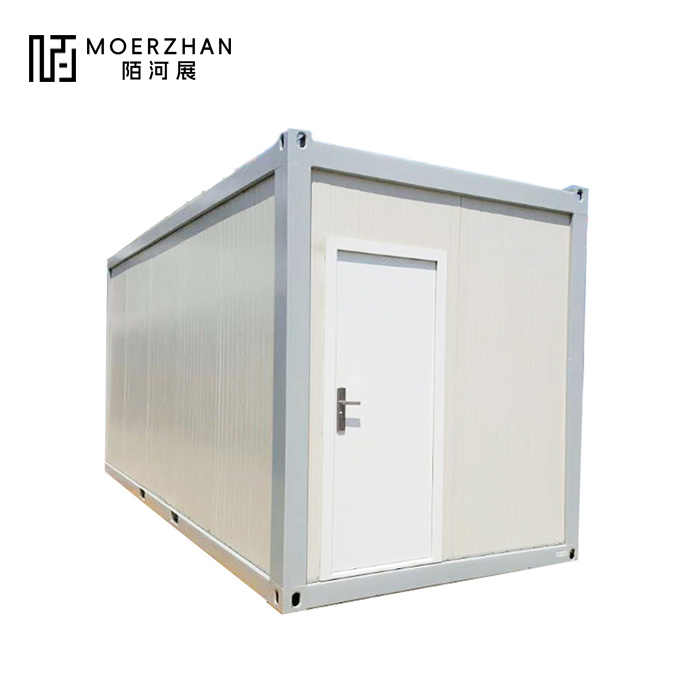
Sustainable Living: How Prefab Shipping Container Houses Contribute to Environmental Conservation
In recent years, the concept of sustainable living has gained significant traction, with individuals and communities seeking innovative methods to minimize their ecological footprint. One such solution that has emerged at the forefront of this movement is the use of prefab shipping container houses. These structures not only offer a unique aesthetic appeal but also present a range of environmental benefits that align perfectly with the principles of sustainability. In this article, we will delve into how prefab shipping container houses help the environment and promote a sustainable lifestyle.
Table of Contents
- Introduction to Prefab Shipping Container Houses
- Environmental Benefits of Shipping Container Homes
- Resource Efficiency: Reducing Waste Through Repurposing
- Energy Efficiency in Shipping Container Homes
- Cost-Effectiveness of Prefab Shipping Container Houses
- Design Flexibility and Customization Options
- Community Integration and Sustainable Living
- The Future of Prefab Shipping Container Housing
- Frequently Asked Questions
- Conclusion
Introduction to Prefab Shipping Container Houses
Prefab shipping container houses are constructed using repurposed shipping containers that have reached the end of their shipping lifecycle. Instead of allowing these containers to languish in landfills, they are transformed into unique, livable spaces that can serve as homes, offices, or even recreational spaces. The rise of these structures reflects a growing awareness of the need for sustainable building practices, and they offer a fresh perspective on modern architecture.
Environmental Benefits of Shipping Container Homes
The environmental benefits of prefab shipping container houses are numerous and multifaceted. By utilizing materials that are otherwise considered waste, these homes help to reduce the overall consumption of new building materials, which is a significant factor in carbon emissions associated with construction.
Minimizing Landfill Waste
Every year, millions of shipping containers are abandoned or discarded after their useful life. By repurposing these containers into homes, we drastically reduce the amount of waste entering landfills. This not only helps to alleviate the burden on waste management systems but also lessens the environmental impact associated with manufacturing new construction materials.
Lower Carbon Footprint
Shipping container homes often require less energy to build compared to traditional houses. The rapid assembly and minimal excavation required for these structures contribute to a lower carbon footprint. Furthermore, the materials used in construction have often already been produced, which means fewer natural resources are consumed in the process.
Resource Efficiency: Reducing Waste Through Repurposing
Resource efficiency is a key principle of sustainable living. Prefab shipping container houses exemplify this principle by repurposing materials that are otherwise deemed waste. This approach not only conserves resources but also encourages innovative design solutions that can accommodate various living needs.
Utilizing Local Materials
Many shipping container homes are designed with an emphasis on utilizing locally sourced materials for insulation, flooring, and finishes. This practice further reduces the carbon footprint associated with transportation and material extraction, contributing to a more sustainable building process.
Promoting Upcycling and Creative Solutions
The design flexibility of shipping container homes encourages upcycling and creative solutions for furnishing and decor. Homeowners often incorporate reclaimed materials into their interiors, which promotes a circular economy and reduces the demand for new products.
Energy Efficiency in Shipping Container Homes
Energy efficiency is a fundamental aspect of sustainable living, and prefab shipping container houses excel in this area. With proper insulation and design considerations, these homes can maintain a comfortable temperature with minimal energy consumption.
Insulation Solutions for Container Homes
Effective insulation is crucial for any home, and shipping container houses are no exception. Homeowners often use eco-friendly insulation materials, such as recycled denim or cellulose, to keep their living spaces comfortable and reduce reliance on heating and cooling systems.
Incorporating Renewable Energy Sources
Many shipping container homes are designed with sustainability in mind, incorporating renewable energy systems such as solar panels or wind turbines. These systems allow homeowners to generate their own energy, further reducing their environmental impact and utility costs.
Cost-Effectiveness of Prefab Shipping Container Houses
One of the most appealing aspects of prefab shipping container homes is their cost-effectiveness. The affordability of these structures makes them an attractive option for individuals and families looking to minimize their housing expenses while promoting sustainability.
Lower Construction Costs
Shipping container homes often have lower construction costs compared to traditional houses due to their simplified building processes and reduced material needs. Additionally, the speed of construction can lead to significant savings on labor costs.
Long-Term Savings on Utilities
With their energy-efficient design, prefab shipping container houses can lead to long-term savings on utility bills. Homeowners benefit from reduced energy consumption, making these homes not only environmentally friendly but also economically viable.
Design Flexibility and Customization Options
One of the standout features of prefab shipping container houses is their design flexibility. These structures can be adapted to fit various lifestyles, preferences, and environmental conditions, making them suitable for a wide range of individuals and families.
Modular Design Potential
Shipping containers can be easily combined and configured to create larger living spaces or multi-functional areas. This modular design potential allows homeowners to customize their homes according to their specific needs, whether that be additional bedrooms, home offices, or recreational areas.
Versatile Aesthetics
The exterior of shipping container homes can be modified to suit different architectural styles, allowing homeowners to create unique and visually appealing designs. From modern aesthetics to rustic charm, the possibilities are endless.
Community Integration and Sustainable Living
Prefab shipping container houses are not just individual units; they can foster community integration and contribute to sustainable living practices within neighborhoods. By clustering container homes together, developers can create sustainable communities that prioritize eco-friendly living.
Creating Sustainable Neighborhoods
Developers are increasingly recognizing the potential of shipping container homes for creating sustainable neighborhoods. These developments often include shared green spaces, community gardens, and other communal resources that promote collaboration among residents and encourage a sense of community.
Encouraging a Sustainable Lifestyle
Residents of shipping container communities are often like-minded individuals who prioritize sustainability. This shared mindset can lead to a lifestyle that emphasizes conservation, community engagement, and collective action toward environmental stewardship.
The Future of Prefab Shipping Container Housing
The future of housing is evolving, and prefab shipping container houses are at the forefront of this change. As more individuals and communities prioritize sustainability, the demand for eco-friendly housing solutions is expected to grow.
Innovations in Design and Construction
Advancements in technology and sustainable building practices are likely to enhance the design and construction of shipping container homes. Innovations such as 3D printing and smart home technologies could further improve efficiency and sustainability in this niche of the housing market.
A Growing Market for Eco-Conscious Living
The increasing awareness of climate change and environmental issues is driving a shift toward eco-conscious living. As more individuals seek sustainable housing options, prefab shipping container houses will continue to gain popularity as a viable solution for environmentally aware consumers.
Frequently Asked Questions
1. Are shipping container homes safe to live in?
Yes, shipping container homes can be made safe with proper design, construction, and modifications. They are structurally sound and can be insulated and equipped with necessary utilities.
2. How much does it cost to build a shipping container home?
The cost varies widely based on design, location, and custom features, but shipping container homes are generally more affordable than traditional homes, with prices often starting as low as $10,000 for basic models.
3. Can shipping containers be used in cold climates?
Yes, with proper insulation and heating systems, shipping container homes can be comfortable in cold climates. Many homeowners use eco-friendly insulation materials to enhance energy efficiency.
4. How do shipping container houses handle plumbing and electrical systems?
Shipping container homes can accommodate standard plumbing and electrical systems, making them fully functional homes. Engineers and architects design these systems during the construction phase.
5. Are there zoning regulations for shipping container homes?
Zoning regulations vary by location, so it's essential to check with local authorities regarding building codes and restrictions for shipping container homes in your area.
Conclusion
Prefab shipping container houses represent a compelling solution for those seeking sustainable living options while embracing modern design and innovative construction practices. By repurposing materials, enhancing energy efficiency, and promoting community integration, these homes not only contribute to environmental conservation but also redefine our understanding of what sustainable living can be. As we continue to navigate the challenges of climate change and resource depletion, the role of shipping container homes in the housing market is likely to expand, offering a bright and eco-friendly future for generations to come.
Hot Tags:
Contact Us
E-mail:
Phone/WhatsApp:
Address:
No. 132 Renmin West Road, Fucheng County, Hengshui City, Hebei Province