Committed To Providing Customers With One-Stop Integrated Housing Solutions


Hebei Moerzhan Metal Products Co., Ltd.
Top Features to Look for in Passive Prefab Homes: A Comprehensive Guide
Feb 22,2026
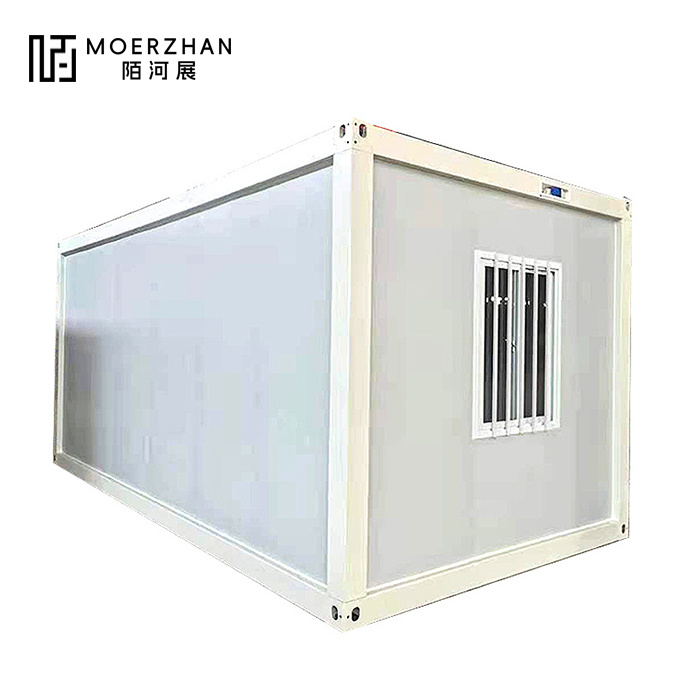
Top Features to Look for in Passive Prefab Homes
Passive prefab homes represent a revolutionary approach to sustainable living. They combine modern design, energy efficiency, and eco-friendliness to create living spaces that are not only comfortable but also environmentally responsible. As we explore the top features that make these homes stand out, we will delve into the critical components that homeowners should prioritize to maximize energy savings, comfort, and sustainability.
Table of Contents
1. Understanding Passive Prefab Homes
2. Key Features of Passive Prefab Homes
2.1. Superior Insulation Materials
2.2. Energy-Efficient Windows and Doors
2.3. Airtight Construction Techniques
2.4. Heat Recovery Ventilation Systems
3. The Importance of Sustainable Materials
3.1. Eco-Friendly Building Materials
3.2. Recycled and Upcycled Components
4. Smart Home Technology and Passive Design
4.1. Integrating Smart Thermostats
4.2. Solar Panel Installations
5. Cost Considerations for Passive Prefab Homes
6. Benefits of Choosing Passive Prefab Homes
7. Conclusion
8. Frequently Asked Questions (FAQs)
1. Understanding Passive Prefab Homes
Passive prefab homes are designed to significantly reduce energy consumption while maintaining a comfortable indoor climate. These homes use a combination of innovative design techniques and high-performance materials that prioritize energy efficiency. The concept of "passive" design refers to the home’s ability to utilize natural resources—such as sunlight and wind—to regulate temperature without relying heavily on external energy sources.
2. Key Features of Passive Prefab Homes
When considering passive prefab homes, there are several key features that you should look for to ensure optimal performance.
2.1. Superior Insulation Materials
One of the most critical aspects of a passive prefab home is its insulation. **High-performance insulation materials** help maintain a stable indoor temperature, reducing the need for heating and cooling systems. Look for homes that incorporate materials such as cellulose, spray foam, or mineral wool, which provide excellent thermal resistance.
2.2. Energy-Efficient Windows and Doors
Windows and doors play a vital role in energy efficiency. **Triple-glazed windows** with low-emissivity (low-E) coatings can significantly minimize heat loss while allowing natural light to flood the interior. **High-performance doors** should also be included, ensuring airtight seals to prevent drafts and improve overall energy efficiency.
2.3. Airtight Construction Techniques
Airtightness is essential in passive design to prevent heat loss. Look for homes constructed with advanced building techniques such as **structural insulated panels (SIPs)** or **insulated concrete forms (ICFs)**. These methods help create a tight building envelope, minimizing air leakage and enhancing energy performance.
2.4. Heat Recovery Ventilation Systems
A heat recovery ventilation (HRV) system ensures that fresh air circulates throughout the home without losing indoor heat. This system works by transferring heat from the outgoing stale air to the incoming fresh air, maintaining optimal indoor air quality while conserving energy.
3. The Importance of Sustainable Materials
Sustainability is a cornerstone of passive prefab design. Choosing the right materials can significantly reduce the environmental impact of construction.
3.1. Eco-Friendly Building Materials
Opt for sustainable materials that are renewable or have minimal environmental impact. **Bamboo, reclaimed wood, and recycled steel** are excellent choices that contribute to a reduced carbon footprint while ensuring durability.
3.2. Recycled and Upcycled Components
Incorporating recycled or upcycled materials into the design can further enhance sustainability. This may include using reclaimed wood for flooring or recycled glass for countertops, offering unique aesthetic qualities while promoting environmental responsibility.
4. Smart Home Technology and Passive Design
Integrating smart home technology into passive prefab homes not only enhances convenience but also improves energy efficiency.
4.1. Integrating Smart Thermostats
Smart thermostats allow homeowners to monitor and control their home’s temperature remotely. These devices can optimize heating and cooling schedules, ensuring energy use aligns with the occupants' daily routines.
4.2. Solar Panel Installations
Consider homes equipped with solar panels, which can significantly reduce reliance on non-renewable energy sources. By harnessing solar energy, homeowners can offset energy costs while contributing to a greener future.
5. Cost Considerations for Passive Prefab Homes
While the initial investment for passive prefab homes may be higher than traditional construction, the long-term savings on energy bills can make them more cost-effective. It's essential to conduct a **life-cycle cost analysis** to understand the financial benefits of energy savings over time.
6. Benefits of Choosing Passive Prefab Homes
Choosing passive prefab homes offers numerous benefits, including:
- **Energy Efficiency**: Reduced energy consumption leads to significant cost savings.
- **Comfort**: Consistent indoor temperatures and superior air quality enhance living conditions.
- **Environmental Impact**: Lower carbon footprints contribute to a healthier planet.
- **Fast Construction**: Prefabrication leads to quicker build times compared to traditional construction methods.
7. Conclusion
In conclusion, passive prefab homes represent an innovative solution for environmentally conscious homeowners looking for energy efficiency and sustainability. By focusing on superior insulation, energy-efficient windows, airtight construction, and smart technologies, these homes offer a comfortable living space with minimal environmental impact. As the demand for eco-friendly housing continues to rise, understanding the key features of passive prefab homes will empower prospective homeowners to make informed decisions that benefit both their wallets and the planet.
8. Frequently Asked Questions (FAQs)
1. What is a passive prefab home?
Passive prefab homes are energy-efficient dwellings designed to maintain comfortable indoor temperatures with minimal energy use, often built using prefabricated components.
2. How much do passive prefab homes cost?
While upfront costs can be higher than traditional homes, passive prefab homes often lead to lower energy bills and long-term savings.
3. What materials are best for passive prefab homes?
Sustainable materials like reclaimed wood, bamboo, and recycled steel are ideal for passive prefab construction due to their low environmental impact.
4. How do heat recovery ventilation systems work?
HRV systems transfer heat from outgoing air to incoming fresh air, maintaining indoor air quality while conserving energy.
5. Can I customize a passive prefab home?
Yes, many manufacturers offer customization options, allowing homeowners to tailor the design to their specific needs and preferences.
This comprehensive article aims to provide valuable insights into the essential features of passive prefab homes, helping potential buyers make well-informed decisions. With a focus on sustainability and energy efficiency, we hope to guide readers towards a more sustainable future in housing.
Hot Tags:
Contact Us
E-mail:
Phone/WhatsApp:
Address:
No. 132 Renmin West Road, Fucheng County, Hengshui City, Hebei Province