Committed To Providing Customers With One-Stop Integrated Housing Solutions


Why Container Homes Are the Future of Affordable Housing Solutions
Feb 12,2026
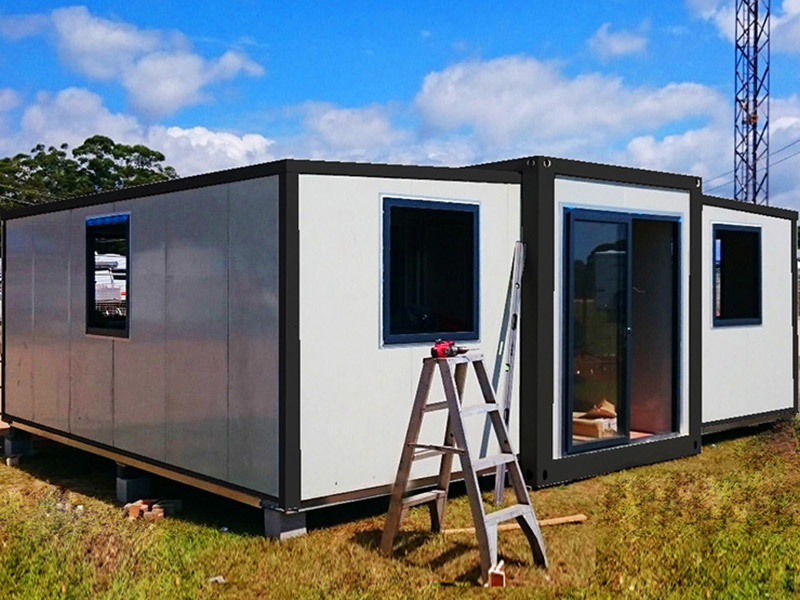
Why Container Homes Are the Future of Affordable Housing Solutions
Table of Contents
- Introduction to Container Homes
- What Are Container Homes?
- The Benefits of Container Homes
- Innovative Container Home Designs
- Navigating Building Regulations
- Container Homes vs. Traditional Housing
- The Future of Container Homes
- FAQs about Container Homes
- Conclusion
Introduction to Container Homes
Container homes are transforming the landscape of affordable housing, offering unique solutions to one of society's most pressing challenges: the need for cost-effective and sustainable living spaces. As urban populations surge and traditional housing markets become increasingly inaccessible, container homes present an innovative alternative that deserves attention. This article delves into the many advantages of container homes, explores their design possibilities, and discusses their role in the future of housing.
What Are Container Homes?
Container homes are residential structures constructed from shipping containers. These metal boxes, typically used for transporting goods across oceans, have gained popularity in the housing sector due to their durability, versatility, and affordability. Utilizing repurposed containers not only reduces waste but also promotes sustainable building practices, making them an ideal choice for eco-conscious homeowners.
The Benefits of Container Homes
Container homes offer a multitude of benefits that appeal to a wide range of homeowners, from young professionals to families seeking affordable living solutions.
Affordability
One of the most compelling advantages of container homes is their affordability. The cost of purchasing and renovating a shipping container is significantly lower than traditional building methods. Depending on size and condition, a single container can cost anywhere from $1,500 to $5,000. When combined with minimal additional materials, labor costs, and design elements, container homes often come in at a fraction of the price of standard homes. This affordability opens the door for individuals and families to own homes in urban areas where housing prices have skyrocketed.
Sustainability
Sustainability is a crucial factor in today's housing market, and container homes shine in this aspect. By repurposing existing materials, container homes contribute to reducing waste and lowering the demand for new construction materials. Additionally, many container homes are designed with energy-efficient features, such as solar panels, green roofs, and rainwater harvesting systems, further minimizing their environmental impact. This sustainable approach resonates with buyers who prioritize eco-friendly living.
Design Flexibility
Container homes offer remarkable design flexibility. They can be stacked, modified, and customized to suit individual tastes and needs. Homeowners can choose to create single-unit homes or multi-container structures, providing ample space for families or community living. Interior spaces can be tailored to include modern amenities, open floor plans, and distinct aesthetics. The creative possibilities are endless, making container homes an appealing option for those looking to express their individuality through their living spaces.
Innovative Container Home Designs
The design potential of container homes is vast, attracting architects and designers eager to push the boundaries of conventional housing. Here are some popular design trends in container homes:
1. Modular Container Homes
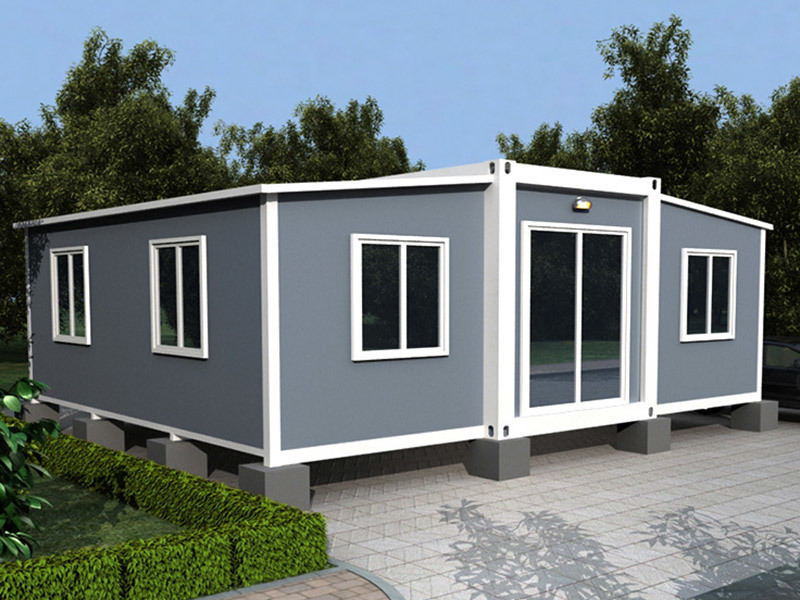
Modular designs allow for the combination of multiple containers to create spacious living areas. Homeowners can opt for various configurations to maximize space and functionality.
2. Eco-Friendly Designs
Many modern container homes incorporate eco-friendly features like green roofs, solar panels, and energy-efficient windows. These designs not only reduce energy consumption but also integrate harmoniously with the environment.
3. Minimalist Aesthetic
The minimalist design trend has found a perfect match in container homes. The clean lines and industrial look of containers lend themselves well to a minimalist aesthetic, allowing homeowners to embrace simplicity without sacrificing style.
4. Luxurious Interiors
Contrary to expectations, container homes can offer luxurious interiors. High-end fixtures, spacious layouts, and modern amenities can transform a shipping container into a chic and comfortable living space.
Navigating Building Regulations
While container homes offer numerous benefits, prospective homeowners must navigate local building regulations and zoning laws. These rules can vary significantly from one location to another, influencing aspects such as site placement, foundation requirements, and safety standards. It is essential to conduct thorough research and consult with local authorities to ensure compliance. Additionally, engaging with architects or builders experienced in container home construction can help streamline the process and mitigate potential hurdles.
Container Homes vs. Traditional Housing
When comparing container homes to traditional housing, several factors come into play, including cost, construction time, design flexibility, and environmental impact.
Cost
Traditional homes typically incur higher costs due to land acquisition, material expenses, and labor. Container homes, on the other hand, provide an affordable alternative without compromising on quality.
Construction Time
Building a traditional home can take several months or even years, depending on the complexity of the design. In contrast, container homes can often be constructed in a matter of weeks, with minimal disruption to the surrounding environment.
Design Flexibility
While traditional homes allow for customization, the design possibilities of container homes are virtually limitless. Homeowners can easily create unique living spaces tailored to their specific needs.
Environmental Impact
The environmental footprint of traditional construction is significant, requiring large amounts of resources and generating substantial waste. Container homes, with their emphasis on sustainability and repurposing, present a more eco-friendly solution.
The Future of Container Homes
The future of container homes looks promising as more individuals and families seek affordable, sustainable housing solutions. As urban areas continue to expand and housing prices rise, container homes will play an increasingly vital role in meeting housing demands. Innovations in design and construction techniques will further enhance the appeal of container homes, making them a mainstream option for homebuyers. Additionally, as awareness grows about the environmental benefits of repurposed materials, container living will gain traction among eco-conscious consumers.
FAQs about Container Homes
1. Are container homes safe to live in?
Yes, container homes can be made safe for living when designed and built according to local building codes and regulations. Proper insulation, ventilation, and structural modifications ensure the safety and comfort of residents.
2. How much does it cost to build a container home?
The cost of building a container home varies based on size, location, and design choices. On average, the total cost can range from $10,000 to $100,000, depending on customization and additional features.
3. Do container homes require a foundation?
Yes, container homes typically require a foundation to ensure stability and compliance with building codes. The type of foundation will depend on local regulations and the specific site conditions.
4. Can container homes be insulated?
Absolutely. Insulation is crucial for maintaining a comfortable indoor climate in container homes. Various insulation methods can be employed, including spray foam, rigid foam boards, and mineral wool.
5. How long do container homes last?
When properly maintained, container homes can last for decades. The steel structure is incredibly durable, but regular maintenance is necessary to prevent rust and deterioration over time.
Conclusion
Container homes represent a revolutionary shift in the approach to affordable housing. Their affordability, sustainability, and design flexibility make them an attractive option for prospective homeowners. As urbanization continues to challenge the housing market, container homes stand poised to be a vital solution. By embracing innovative designs and sustainable practices, we can pave the way for a future where everyone has access to safe, stylish, and affordable housing. The potential of container homes is limitless, and as we look ahead, they will undoubtedly play a significant role in shaping the housing landscape of tomorrow.
Hot Tags:
Contact Us
E-mail:
Phone/WhatsApp:
Address:
No. 132 Renmin West Road, Fucheng County, Hengshui City, Hebei Province