Committed To Providing Customers With One-Stop Integrated Housing Solutions


Why Prefab Studio Homes Are the Future of Affordable Housing
Feb 02,2026
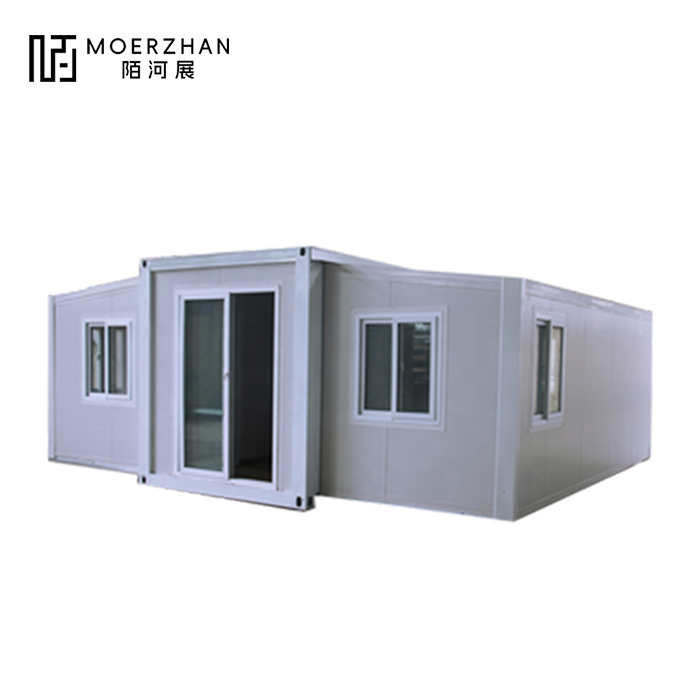
Why Prefab Studio Homes Are the Future of Affordable Housing
Table of Contents
- 1. Understanding Prefab Studio Homes
- 2. The Cost-Effectiveness of Prefab Housing
- 3. Sustainability and Eco-Friendliness
- 4. Design Flexibility and Customization
- 5. Speed of Construction: A Game Changer
- 6. Increasing Demand and Market Trends
- 7. Overcoming Misconceptions about Prefab Homes
- 8. FAQs about Prefab Studio Homes
- 9. Conclusion
1. Understanding Prefab Studio Homes
Prefab studio homes, or prefabricated homes, are constructed off-site in a factory environment before being transported and assembled at the final location. This method of construction is gaining momentum due to its innovative approach to housing, particularly in urban settings where space is limited. The studio design typically features an open layout, optimal for maximizing minimal space. These homes can be modular, meaning they consist of multiple sections that combine to create a larger living area, or they can be single-unit designs that stand alone.
Prefabricated homes are designed to meet various standards and regulations, ensuring safety and quality. With a surge in interest, more manufacturers are entering the market, providing diverse options tailored to different needs and budgets.
2. The Cost-Effectiveness of Prefab Housing
One of the most compelling reasons why prefab studio homes are gaining traction is their cost-effectiveness. Traditional housing construction often involves various hidden costs, including labor, materials, and time delays, which can inflate the final price. In contrast, prefab homes streamline the process, significantly reducing expenses.
**Savings on Labor Costs**
Prefab homes significantly cut down labor costs due to the controlled factory environment where construction takes place. With a dedicated workforce and assembly line approach, labor efficiency increases, resulting in lower overall costs for consumers.
**Reduction in Material Waste**
Manufacturers can anticipate material needs more accurately in a factory setting, leading to less waste compared to on-site construction. This efficiency not only keeps costs down but also aligns with sustainable building practices.
3. Sustainability and Eco-Friendliness
Sustainability is at the forefront of modern construction, and prefab studio homes are no exception. These homes often utilize eco-friendly materials and construction methods, making them a viable option for environmentally conscious buyers.
**Energy Efficiency**
Many prefab homes incorporate energy-efficient designs and materials, such as high-quality insulation and energy-efficient windows. This focus on efficiency means that homeowners can save significantly on utility bills while also reducing their carbon footprint.
**Sustainable Materials**
From reclaimed wood to recycled steel, manufacturers are increasingly using sustainable materials in their prefab homes. This commitment not only contributes to reducing environmental impact but also offers homeowners peace of mind knowing that their living space supports eco-friendly practices.
4. Design Flexibility and Customization
One of the most appealing aspects of prefab studio homes is the level of customization they offer. Unlike traditional homes, which often come with rigid architectural constraints, prefab homes can be tailored to the homeowner's preferences and lifestyle.
**Modular Design Options**
Many modern prefab builders offer modular designs that enable buyers to select from various layouts and configurations. This flexibility allows individuals or families to create a living space that suits their unique needs, whether that means adding extra bedrooms, creating an open-concept living area, or incorporating sustainable features.
**Aesthetic Choices**
With advancements in design technology, homeowners can now choose from a wide range of finishes, colors, and materials. This aesthetic flexibility empowers buyers to create a stylish, personalized space without breaking the bank.
5. Speed of Construction: A Game Changer
In an era where time is of the essence, the speed at which prefab studio homes can be constructed is a significant advantage. The off-site construction process allows for a rapid turnaround while minimizing disruption at the building site.
**Swift Assembly**
Once delivered to the site, prefab homes can be assembled in a matter of days rather than weeks or months. This swift assembly not only helps get families into homes faster but also reduces the impact on local communities during the construction phase.
**Avoiding Weather Delays**
On-site construction is often susceptible to weather delays, extending the timeline for completion. However, since most of the building occurs indoors, prefab homes are less affected by environmental factors, ensuring that projects stay on schedule.
6. Increasing Demand and Market Trends
As the housing market continues to evolve, the demand for affordable and efficient housing solutions has spiked. Prefab studio homes are becoming an increasingly popular choice.
**Urbanization and Space Constraints**
With urban areas becoming more densely populated, space is at a premium. Prefab homes offer a solution to this challenge by providing compact, efficient living options that maximize available space.
**Growing Acceptance**
The stigma surrounding prefabricated homes is gradually dissipating, with more consumers recognizing their benefits. As a result, the market for these innovative dwellings is expected to continue growing, driven by both affordability and design advancements.
7. Overcoming Misconceptions about Prefab Homes
Despite their many advantages, misconceptions about prefab homes still persist. Addressing these myths is crucial to understanding their true value.
**Quality Concerns**
One common misconception is that prefab homes are of lower quality compared to traditional homes. However, many manufacturers adhere to strict building codes and standards, ensuring that prefab homes are built to last.
**Aesthetics and Design Limitations**
Another myth is that prefab homes lack aesthetic appeal. In reality, with the latest design technologies and customizable options, these homes can range from modern to traditional styles, meeting diverse tastes.
8. FAQs about Prefab Studio Homes
Q1: Are prefab studio homes durable?
A: Yes, prefab homes are built to meet stringent building codes and are designed for durability, often exceeding the standards of traditionally built homes.
Q2: How long does it take to build a prefab home?
A: Prefab homes can be assembled within a few days to weeks, depending on the complexity of the design and the manufacturer.
Q3: What financing options are available for prefab homes?
A: Many lenders offer financing options for prefab homes, similar to traditional homes, including mortgages, personal loans, and financing through the manufacturer.
Q4: Can I customize my prefab home?
A: Absolutely! Many prefab home builders offer a range of customization options, allowing you to tailor the design to your preferences.
Q5: Are prefab homes energy-efficient?
A: Yes, many prefab homes are designed with energy efficiency in mind, often incorporating features such as advanced insulation and energy-efficient appliances.
9. Conclusion
Prefab studio homes represent a transformative approach to affordable housing, combining cost-effectiveness, sustainability, and design flexibility. As urbanization continues to rise and housing demand increases, these innovative dwellings offer a viable solution to the housing crisis. By embracing the future of housing through prefab construction, we can create more efficient, eco-friendly, and financially accessible living spaces for everyone. The growing acceptance and technological advancements in this field make prefab homes not just a trend but a pivotal element in reshaping how we think about housing.
Hot Tags:
Contact Us
E-mail:
Phone/WhatsApp:
Address:
No. 132 Renmin West Road, Fucheng County, Hengshui City, Hebei Province