Committed To Providing Customers With One-Stop Integrated Housing Solutions


Hebei Moerzhan Metal Products Co., Ltd.
The Future of Living: Exploring Collapsible Prefab Homes
Jun 03,2025

The Future of Living: Exploring Collapsible Prefab Homes
Table of Contents
- Introduction to Collapsible Prefab Homes
- What Are Prefab Homes?
- Advantages of Collapsible Prefab Homes
- Design and Innovation in Prefab Homes
- Sustainability and Environmental Impact
- Technologies Behind Collapsible Prefab Homes
- Real-World Examples of Collapsible Prefab Homes
- The Future of Prefab Homes
- Frequently Asked Questions
- Conclusion
Introduction to Collapsible Prefab Homes
As urbanization continues to surge, the demand for affordable and adaptable housing solutions has become more pressing than ever. **Collapsible prefab homes** represent a forward-thinking approach to residential construction, combining **efficiency, sustainability, and modern design**. These innovative structures can be easily assembled, disassembled, and relocated, making them ideal for various living situations—from temporary housing to permanent residences.
In this article, we will explore the myriad benefits of collapsible prefab homes, their design innovations, and their significant impact on the future of living. We will also address common questions surrounding these structures to give you a comprehensive understanding of this exciting trend.
What Are Prefab Homes?
**Prefab homes**, short for prefabricated homes, are structures built off-site in a factory setting, where components are manufactured and then transported to the site for assembly. This method differs from traditional construction, which involves building homes completely on-site. Prefab homes can be categorized into various types, including:
Modular Homes
These are built in sections or modules, which are then transported to the site and assembled. Each module is constructed with the same standards as traditional homes, ensuring quality and durability.
Manufactured Homes
These homes are built on a permanent chassis and are often more affordable than modular homes. They are typically constructed in a factory and then transported to the site.
Collapsible Homes
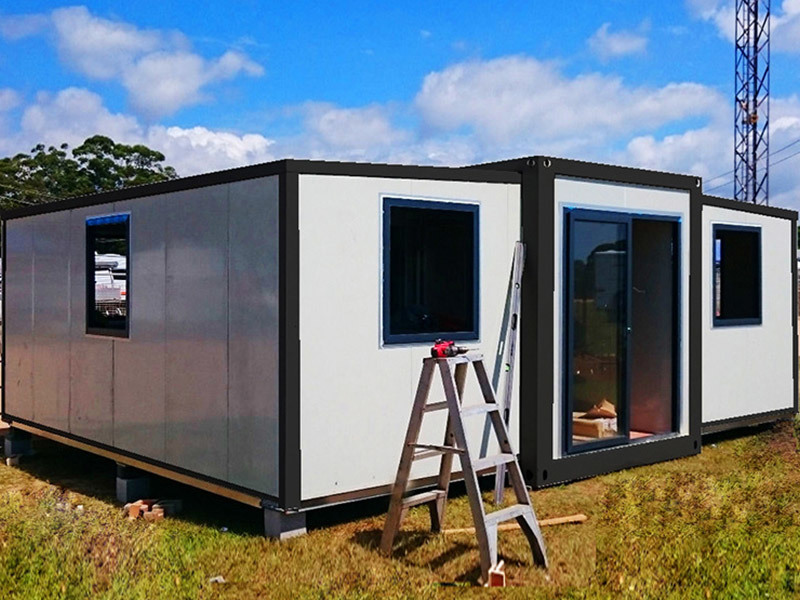
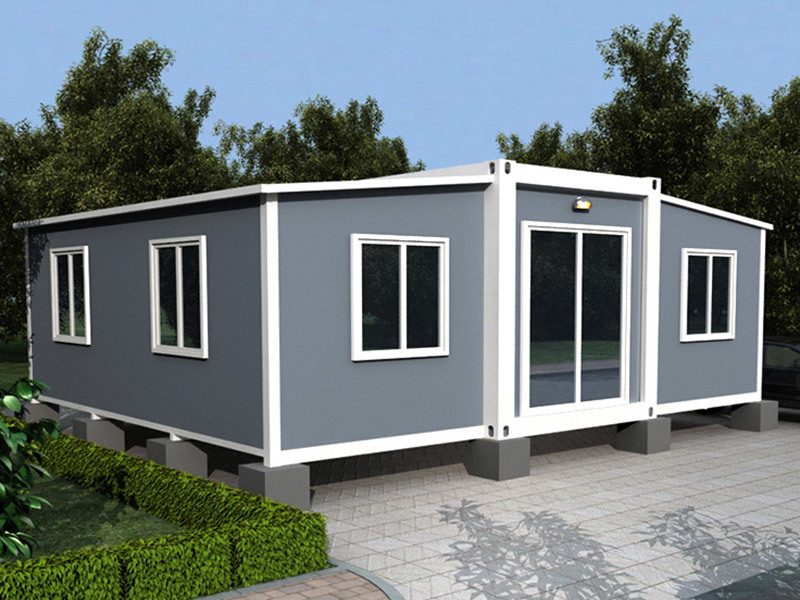
Collapsible prefab homes take the concept a step further. Designed to be easily assembled and disassembled, these homes can be compacted for transport, making them incredibly versatile for various living situations.
Advantages of Collapsible Prefab Homes
The rise of collapsible prefab homes is driven by numerous advantages that cater to the needs of modern consumers. Here are some key benefits:
1. Sustainability
Collapsible prefab homes often utilize environmentally friendly materials and construction techniques. By minimizing waste during manufacturing and enabling efficient resource use, these homes contribute to a more sustainable approach to living.
2. Cost-Effectiveness
Compared to traditional construction methods, collapsible prefab homes can significantly reduce building costs. The streamlined production process allows for quicker assembly and less labor, translating to overall savings.
3. Flexibility and Mobility
One of the most significant advantages of collapsible prefab homes is their adaptability. Whether you need a temporary structure for a specific event or a permanent residence, these homes can be easily relocated to meet your needs.
4. Time Efficiency
Constructing a traditional home can take months or even years. In contrast, collapsible prefab homes can be assembled within weeks, allowing occupants to move in faster and enjoy their new living space sooner.
5. Customization
Many manufacturers offer customizable designs and features for collapsible prefab homes, allowing homeowners to personalize their living spaces. From layout to finishes, the options are vast.
Design and Innovation in Prefab Homes
The design of collapsible prefab homes reflects current architectural trends, emphasizing minimalism, functionality, and a connection with nature. Modern architects and designers are incorporating innovative features that enhance the living experience.
Smart Home Technology
Integrating smart technology is a growing trend within collapsible prefab homes. From energy-efficient systems to automated controls, homeowners can enjoy increased convenience and lower energy bills.
Space Optimization
Designers of collapsible prefab homes prioritize space optimization. Multi-functional furniture and open floor plans maximize usable space, making these homes feel more spacious despite their compact nature.
Eco-Friendly Materials
Sustainable materials like recycled steel, bamboo, and eco-friendly insulation are commonly used in collapsible prefab homes. These materials not only reduce the environmental impact but also contribute to healthier living environments.
Sustainability and Environmental Impact
The construction industry is one of the largest contributors to environmental degradation. Collapsible prefab homes offer a solution to this issue by emphasizing sustainability through various means.
Reducing Carbon Footprint
By manufacturing components in a controlled environment, collapsible prefab homes significantly reduce the carbon footprint associated with traditional construction. The efficient use of resources and reduced waste further contribute to their eco-friendliness.
Energy Efficiency
Many collapsible prefab homes are designed with energy efficiency in mind. Features such as high-performance insulation, solar panels, and energy-efficient appliances help reduce energy consumption, lowering utility costs for homeowners.
Promoting Sustainable Communities
Collapsible prefab homes can be an integral part of sustainable community planning. Their flexibility allows for the creation of eco-friendly neighborhoods that prioritize green spaces and communal living, fostering a sense of community.
Technologies Behind Collapsible Prefab Homes
The advancement of technology plays a crucial role in the evolution of collapsible prefab homes. Here are some notable innovations:
3D Printing
3D printing technology is revolutionizing the construction industry, allowing for the rapid prototyping of building components. This method dramatically reduces waste and construction time, making it a perfect fit for collapsible prefab homes.
Modular Construction Techniques
Advanced modular construction techniques enable the efficient assembly of home components. These techniques ensure precision and quality while reducing labor costs, further enhancing the appeal of collapsible prefab homes.
Smart Building Materials
Innovative building materials, such as self-healing concrete and smart glass, are making their way into collapsible prefab homes. These materials enhance durability and energy efficiency, offering long-term benefits for homeowners.
Real-World Examples of Collapsible Prefab Homes
Several companies and architects have already begun implementing collapsible prefab homes in real-world applications. Here are a few noteworthy examples:
1. Tiny House Movement
The **Tiny House Movement** has popularized collapsible and modular living. Many tiny homes are designed to be compact and easily transportable, embodying the principles of sustainable living and minimalism.
2. IKEA's Modular Homes
IKEA, known for its flat-pack furniture, has ventured into the prefab home market with its **IKEA Modular Home** initiative. These homes can be customized and assembled quickly, providing an affordable housing solution.
3. Koda by Kodasema
**Koda** is an innovative collapsible prefab home designed by Kodasema. It emphasizes sustainability and adaptability, allowing homeowners to easily relocate their living space as needed.
The Future of Prefab Homes
The future of collapsible prefab homes looks promising as cities grapple with housing shortages and the need for sustainable living solutions. With ongoing advancements in technology and design, we can expect to see:
Increased Popularity in Urban Areas
As urban density continues to rise, collapsible prefab homes will likely become a common solution for housing shortages. Their ability to fit into tight spaces and adapt to various environments makes them ideal candidates.
Government Support and Incentives
As sustainability becomes a priority for governments worldwide, we may see increased support and incentives for adopting collapsible prefab homes. This could include tax breaks, grants, or relaxed zoning regulations.
Greater Customization Options
As more manufacturers enter the market, homeowners can look forward to a wider variety of design options and styles. Customization will likely expand to include eco-friendly technologies and smart features.
Frequently Asked Questions
1. Are collapsible prefab homes durable?
Yes, collapsible prefab homes are built using high-quality materials and construction techniques, making them as durable as traditional homes.
2. How long does it take to assemble a collapsible prefab home?
The assembly time for a collapsible prefab home can vary but typically ranges from a few days to a few weeks, depending on the complexity of the design and site conditions.
3. Can collapsible prefab homes be customized?
Absolutely! Many manufacturers offer various customization options, allowing homeowners to tailor the design and features to their preferences.
4. What is the cost of a collapsible prefab home?
The cost can vary widely based on size, design, and materials used, but collapsible prefab homes are generally more affordable than traditional homes.
5. Are collapsible prefab homes energy-efficient?
Yes, many collapsible prefab homes incorporate energy-efficient designs and appliances, helping to reduce energy consumption and lower utility bills.
Conclusion
Collapsible prefab homes are paving the way for a new era of sustainable living that meets the demands of a rapidly changing world. By combining innovative design, efficiency, and environmental consciousness, these homes offer a flexible and affordable housing solution for the future. As technology continues to advance and urban living challenges persist, we can expect collapsible prefab homes to play an increasingly vital role in our communities. Embracing this trend not only enhances individual living experiences but also contributes to a more sustainable and connected world.
Hot Tags:
Contact Us
E-mail:
Phone/WhatsApp:
Address:
No. 132 Renmin West Road, Fucheng County, Hengshui City, Hebei Province