Committed To Providing Customers With One-Stop Integrated Housing Solutions


Hebei Moerzhan Metal Products Co., Ltd.
Innovative Living: Discover the Transformative Benefits of a Collapsible House on Wheels
May 28,2025

Innovative Living: Discover the Transformative Benefits of a Collapsible House on Wheels
Table of Contents
- 1. Introduction to Collapsible Houses on Wheels
- 2. What Is a Collapsible House on Wheels?
- 3. Benefits of Collapsible Houses
- 3.1 Mobility and Flexibility
- 3.2 Cost-Effectiveness
- 3.3 Sustainability and Eco-Friendliness
- 3.4 Space-Saving Designs
- 3.5 Community Living Opportunities
- 4. Unique Designs and Features of Collapsible Houses
- 5. Legal Considerations for Living in a Collapsible House
- 6. How to Choose the Right Collapsible House on Wheels
- 7. Maintenance and Care for Your Collapsible House
- 8. Real-Life Examples of Collapsible Living
- 9. Frequently Asked Questions (FAQs)
- 10. Conclusion
1. Introduction to Collapsible Houses on Wheels
In today’s fast-paced world, the need for adaptable living solutions has never been greater. The rise of urbanization, coupled with increasing living costs, has led many individuals to seek innovative alternatives. One such solution gaining traction is the **collapsible house on wheels**. This article explores the myriad benefits associated with this unique form of housing, offering insights into its design, functionality, and potential impact on modern living.
2. What Is a Collapsible House on Wheels?
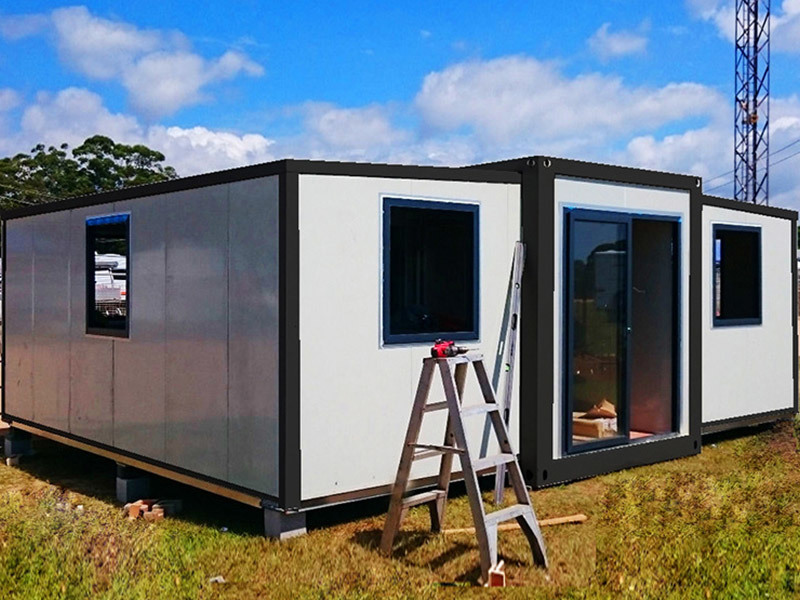
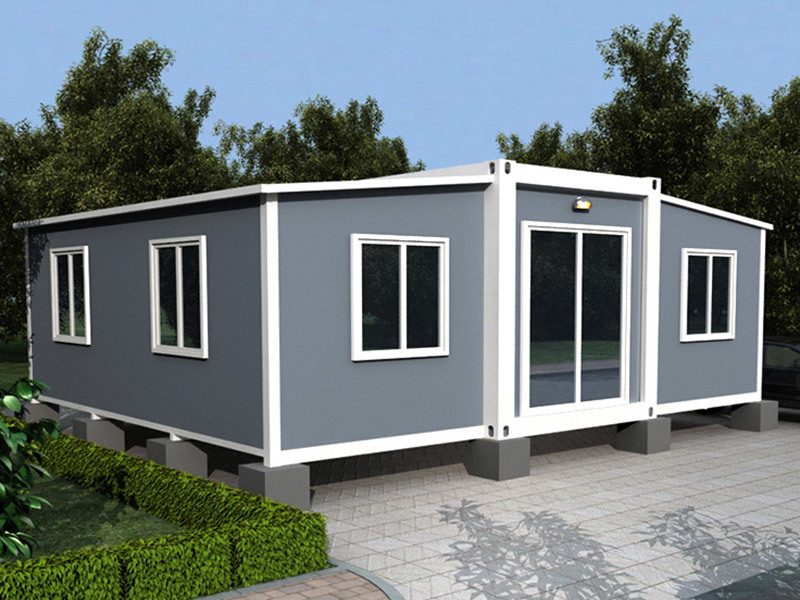
A **collapsible house on wheels** is a compact, mobile dwelling that can be easily expanded or contracted as needed. Designed with functionality and portability in mind, these homes typically feature lightweight materials and innovative engineering techniques. Many models are equipped with essential amenities, ensuring comfort while maintaining their compact nature. The versatility inherent in these homes allows occupants to relocate with ease, adapting to various environmental conditions and personal preferences.
3. Benefits of Collapsible Houses
With the ongoing shift towards more sustainable and flexible living arrangements, collapsible houses on wheels offer numerous advantages. Below, we discuss five key benefits that make these homes an attractive option for many.
3.1 Mobility and Flexibility
One of the most significant benefits of a collapsible house on wheels is its **mobility**. Unlike traditional homes, which are fixed in one location, these houses can be easily transported to different sites. This flexibility opens up opportunities for adventure, allowing people to explore various regions without the hassle of packing and relocating their belongings. Whether you seek a temporary escape in nature or a long-term change of scenery, these homes enable an unparalleled level of freedom.
3.2 Cost-Effectiveness
Building or buying a conventional home can be prohibitively expensive. In contrast, collapsible houses on wheels tend to be more affordable, both in terms of initial investment and ongoing costs. Lower construction costs, coupled with reduced utility bills and maintenance expenses, create a compelling financial case for this living option. Additionally, many collapsible homes are designed with energy efficiency in mind, further reducing long-term expenses.
3.3 Sustainability and Eco-Friendliness
The environmental impact of traditional housing is significant, contributing to resource depletion and greenhouse gas emissions. Collapsible houses on wheels promote **sustainable living** by minimizing material usage and enabling occupants to live off-grid if desired. Many designs integrate renewable energy sources, such as solar panels, and utilize eco-friendly materials, which further enhance their environmental credentials. By choosing this innovative housing solution, individuals can actively contribute to a more sustainable future.
3.4 Space-Saving Designs
Collapsible houses are engineered to maximize space efficiency. Their innovative designs often incorporate multi-functional furniture and creative storage solutions, allowing homeowners to make the most of limited square footage. **Compact living** encourages minimalism, helping occupants to declutter their lives and focus on experiences rather than possessions. This shift in mindset can lead to a more fulfilling and less stressful way of living.
3.5 Community Living Opportunities
The rise of collapsible houses has also given birth to unique community living opportunities. Many individuals are choosing to live in **tiny house communities** or eco-villages, where they can connect with like-minded individuals. These communities foster collaboration and resource-sharing, creating a supportive environment for those who prioritize sustainability and innovative living. By engaging with a community, individuals can enhance their social networks and find motivation in shared values.
4. Unique Designs and Features of Collapsible Houses
Collapsible houses come in various designs, each tailored to meet the needs and preferences of modern homeowners. Key features often include:
- **Expandable Living Spaces**: Innovative designs allow for easy expansion, making it possible to increase living space as needed.
- **Eco-Friendly Materials**: Many collapsible houses utilize sustainable materials, such as reclaimed wood and recycled metals, which reduce their environmental impact.
- **Energy Efficiency**: Advanced insulation techniques and energy-efficient appliances contribute to lower energy consumption.
- **Smart Technology**: Incorporation of smart home technology allows for seamless control of systems, enhancing comfort and efficiency.
These features make collapsible houses not only functional but also aesthetically pleasing and highly adaptable.
5. Legal Considerations for Living in a Collapsible House
Before committing to a collapsible house on wheels, it’s essential to understand the legal implications. Zoning laws, building codes, and land-use regulations can vary significantly from one location to another. Prospective homeowners should research local laws to ensure compliance. Additionally, some regions may have restrictions on where mobile homes can be parked or lived in. Consulting with legal experts or local authorities can help navigate these complexities and ensure a smooth transition to this innovative lifestyle.
6. How to Choose the Right Collapsible House on Wheels
Selecting the ideal collapsible house requires careful consideration of several factors:
- **Size**: Determine the appropriate size based on your personal needs and lifestyle. Consider whether you require additional space for guests or hobbies.
- **Design**: Explore various designs and layouts to find one that aligns with your aesthetic preferences and functional requirements.
- **Budget**: Set a realistic budget, keeping in mind not only the purchase price but also ongoing costs such as maintenance and utilities.
- **Mobility Options**: Consider the ease of transportation and whether the house can be easily towed by your vehicle.
By taking these factors into account, you can ensure that your collapsible house meets your unique needs and preferences.
7. Maintenance and Care for Your Collapsible House
Proper maintenance is crucial for ensuring the longevity and functionality of your collapsible house on wheels. Key maintenance tips include:
- **Regular Inspections**: Conduct regular inspections of the structure, plumbing, and electrical systems to identify potential issues before they escalate.
- **Weatherproofing**: Protect your home from the elements by ensuring that seals and insulation are intact. This will help maintain energy efficiency and prevent damage.
- **Cleaning**: Regular cleaning of both the interior and exterior is essential to keep your collapsible house in top condition. Pay special attention to areas prone to moisture and dirt accumulation.
By following these maintenance tips, you can enjoy your collapsible home for years to come.
8. Real-Life Examples of Collapsible Living
Numerous individuals and families are embracing the concept of collapsible houses on wheels, leading to inspiring success stories. From eco-conscious adventurers traveling across the country to families downsizing for a simpler life, these real-life examples showcase the versatility and appeal of this innovative living solution. Many homeowners report increased happiness, reduced stress, and a greater connection to nature, highlighting the transformative potential of this lifestyle.
9. Frequently Asked Questions (FAQs)
1. Are collapsible houses safe to live in?
Yes, collapsible houses are designed with safety in mind and often adhere to building codes and safety standards. It’s essential to ensure that your house is properly anchored and weatherproofed.
2. How much does a collapsible house on wheels cost?
The price can vary significantly based on size, materials, and design. Generally, they are more affordable than traditional homes, with prices ranging from $10,000 to $100,000 or more.
3. Can I live in a collapsible house year-round?
Yes, many collapsible houses are designed for year-round living. However, it’s important to ensure proper insulation and heating systems for colder climates.
4. What are the downsides of living in a collapsible house?
Some potential downsides include limited space, zoning regulations, and the need for regular maintenance. However, many find the benefits outweigh these challenges.
5. How do I find a community for collapsible living?
Research local tiny house communities or eco-villages online. Social media groups and forums can also provide resources and connections to like-minded individuals.
10. Conclusion
The **collapsible house on wheels** represents a significant shift in the way we think about living spaces. With its myriad benefits—including mobility, cost-effectiveness, sustainability, and unique design features—this innovative housing solution caters to a wide range of lifestyles and preferences. As we continue to navigate the challenges of modern living, embracing alternatives like collapsible houses can lead to a more fulfilling, flexible, and sustainable future. Whether you seek adventure on the open road or a simpler life connected to nature, a collapsible house may just be the perfect solution for you.
Hot Tags:
Contact Us
E-mail:
Phone/WhatsApp:
Address:
No. 132 Renmin West Road, Fucheng County, Hengshui City, Hebei Province