Committed To Providing Customers With One-Stop Integrated Housing Solutions


Hebei Moerzhan Metal Products Co., Ltd.
Discover the Benefits of Folding Prefab Homes for Sustainable Living
May 16,2025

Discover the Benefits of Folding Prefab Homes for Sustainable Living
Table of Contents
1. Introduction to Folding Prefab Homes
2. What Makes Folding Prefab Homes Sustainable?
3. Advantages of Folding Prefab Homes
3.1 Cost-Effectiveness and Affordability
3.2 Energy Efficiency and Reduced Carbon Footprint
3.3 Quick Construction and Modular Design
4. Design Flexibility and Customization Options
5. Real-World Applications of Folding Prefab Homes
5.1 Ideal for Tiny Home Communities
5.2 Transitional Housing Solutions
6. Challenges and Considerations
6.1 Zoning Regulations and Permitting
6.2 Quality Control and Structural Integrity
7. The Future of Folding Prefab Homes
8. Frequently Asked Questions
9. Conclusion
1. Introduction to Folding Prefab Homes
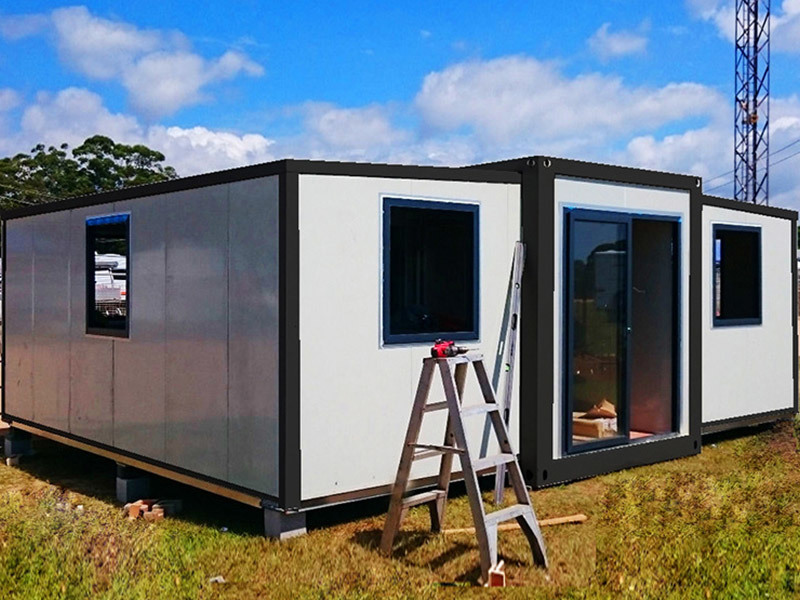
In recent years, folding prefab homes have emerged as a revolutionary solution for sustainable living. These innovative structures are designed with efficiency and adaptability in mind, making them an attractive option for those seeking eco-friendly housing alternatives. Unlike traditional homes, folding prefab homes can be easily transported, assembled, and disassembled, offering flexibility that aligns perfectly with modern lifestyle demands.
2. What Makes Folding Prefab Homes Sustainable?
Folding prefab homes stand out for their commitment to sustainability. They are typically manufactured in controlled factory settings, minimizing waste and ensuring the use of sustainable materials. This approach not only reduces the environmental impact associated with traditional construction but also allows for precise quality control throughout the building process.
Furthermore, these homes are designed to incorporate energy-efficient technologies, such as solar panels and high-performance insulation, which significantly lower energy consumption and promote eco-friendly living.
3. Advantages of Folding Prefab Homes
Folding prefab homes offer several advantages that cater to the needs of today's homeowners.
3.1 Cost-Effectiveness and Affordability
One of the primary benefits of folding prefab homes is their cost-effectiveness. Compared to traditional construction methods, these homes are often more affordable due to streamlined manufacturing processes and reduced labor costs. Homeowners can save significantly on both construction and long-term operational expenses.
3.2 Energy Efficiency and Reduced Carbon Footprint
Incorporating energy-efficient appliances, advanced insulation, and sustainable building materials, folding prefab homes significantly reduce energy consumption. This not only translates to lower utility bills but also contributes to a reduced carbon footprint. By opting for these homes, residents actively participate in the global effort to combat climate change.
3.3 Quick Construction and Modular Design
Folding prefab homes can be assembled within a matter of weeks, allowing homeowners to move in quickly. The modular design facilitates easy transportation and reconfiguration, making them ideal for those who may need to relocate or change their living arrangements.
4. Design Flexibility and Customization Options
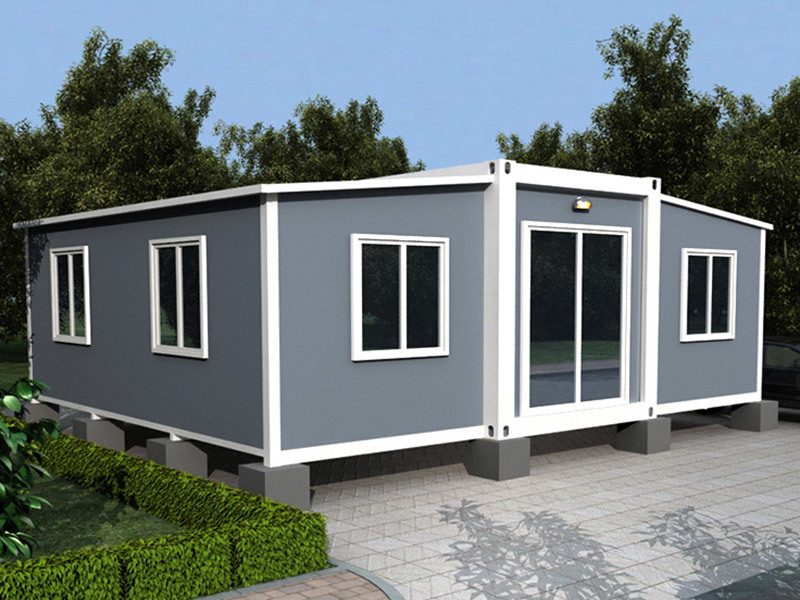
Folding prefab homes offer a unique level of design flexibility. Homeowners can choose from a variety of layouts, sizes, and finishes to create a space that suits their lifestyle. This customization allows for personal expression while maintaining the efficiency and sustainability that folding prefab homes are known for.
5. Real-World Applications of Folding Prefab Homes
Folding prefab homes are increasingly being utilized in diverse applications, showcasing their versatility.
5.1 Ideal for Tiny Home Communities
As the tiny home movement continues to gain momentum, folding prefab homes serve as an ideal solution. Their compact design and eco-friendly attributes align perfectly with the values of sustainability and minimalism embraced by tiny home enthusiasts.
5.2 Transitional Housing Solutions
Folding prefab homes are also being utilized as transitional housing solutions for individuals and families in need. Their quick assembly and affordability make them suitable for emergency housing, disaster relief, and low-income housing initiatives.
6. Challenges and Considerations
While folding prefab homes offer numerous benefits, there are some challenges and considerations to keep in mind.
6.1 Zoning Regulations and Permitting
Depending on the location, zoning regulations and building permits may pose challenges for homeowners looking to install folding prefab homes. Researching local laws and working with professionals can help navigate these hurdles effectively.
6.2 Quality Control and Structural Integrity
Ensuring the quality and structural integrity of folding prefab homes is crucial. Homeowners should choose reputable manufacturers and conduct thorough inspections to guarantee that the homes meet safety standards and building codes.
7. The Future of Folding Prefab Homes
The future of folding prefab homes looks promising as innovations in construction technology and sustainability practices continue to evolve. With increasing demand for affordable housing solutions and a growing awareness of environmental issues, folding prefab homes are likely to play a significant role in shaping the housing landscape of tomorrow.
8. Frequently Asked Questions
Q1: Are folding prefab homes more affordable than traditional homes?
A1: Yes, folding prefab homes are generally more cost-effective due to reduced labor costs and efficient manufacturing processes.
Q2: How long does it take to assemble a folding prefab home?
A2: Assembly can typically be completed within a few weeks, allowing homeowners to move in quickly.
Q3: What materials are used in folding prefab homes?
A3: Folding prefab homes often use sustainable materials, including recycled steel, timber, and energy-efficient insulation.
Q4: Are folding prefab homes customizable?
A4: Yes, homeowners can choose from various layouts, sizes, and finishes to create a personalized living space.
Q5: What are the environmental benefits of folding prefab homes?
A5: They minimize waste during construction, reduce energy consumption, and have a smaller carbon footprint due to their sustainable design.
9. Conclusion
In conclusion, folding prefab homes provide an innovative solution for those seeking sustainable living options. Their affordability, energy efficiency, and design flexibility make them an attractive choice for modern homeowners. As we continue to face environmental challenges and housing shortages, embracing the benefits of folding prefab homes may well be a key step toward a more sustainable future. By choosing this eco-friendly alternative, individuals can enjoy the satisfaction of contributing to a greener planet while enjoying a comfortable and stylish living space.
Hot Tags:
Contact Us
E-mail:
Phone/WhatsApp:
Address:
No. 132 Renmin West Road, Fucheng County, Hengshui City, Hebei Province