Committed To Providing Customers With One-Stop Integrated Housing Solutions


Hebei Moerzhan Metal Products Co., Ltd.
The Challenges of Designing a Collapsible House: Innovations and Solutions
Apr 10,2025
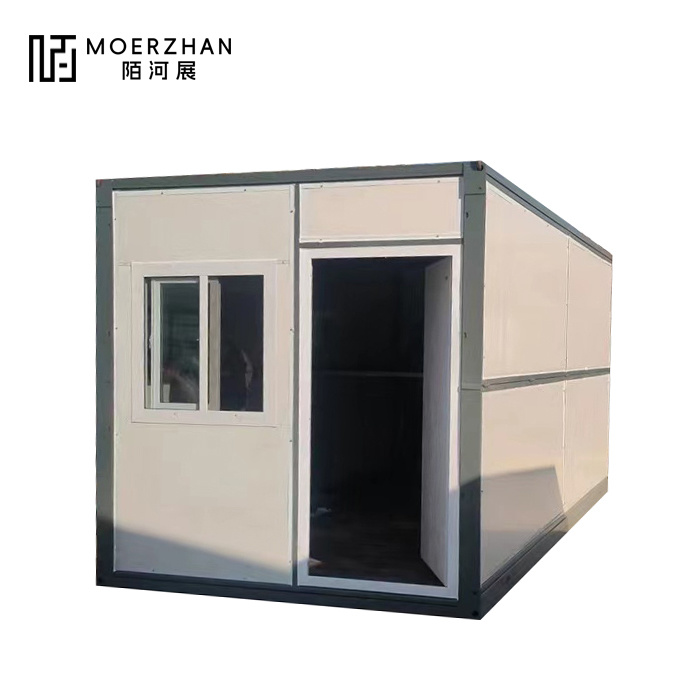
The Challenges of Designing a Collapsible House
Introduction to Collapsible House Design
The concept of collapsible houses presents a fascinating intersection of architecture, engineering, and sustainability. As urban populations surge and the demand for affordable housing rises, collapsible homes offer a flexible solution for diverse living situations. However, designing these innovative structures is not without its challenges. This article delves into the key obstacles faced by architects and engineers when creating collapsible houses, along with potential solutions.
Understanding the Concept of Collapsible Houses
Collapsible houses are designed to be easily assembled and disassembled, offering a temporary or semi-permanent living solution. They are often used in disaster relief, nomadic lifestyles, and urban settings where space is limited. The design of such houses must prioritize both functionality and aesthetics while ensuring safety and durability.
The Importance of Structural Integrity
One of the primary challenges in designing a collapsible house is ensuring structural integrity. These homes must withstand various environmental conditions, including wind, rain, and seismic activity. Engineers must consider the following factors:
Material Selection
The choice of materials plays a crucial role in the structural soundness of a collapsible house. Lightweight yet durable materials, such as aluminum, fiberglass, and engineered wood, are often preferred. Each material has its own strengths and weaknesses:
- **Aluminum**: Lightweight but may be prone to corrosion if not treated properly.
- **Fiberglass**: Offers excellent insulation and durability but can be expensive.
- **Engineered Wood**: A sustainable option that combines strength and flexibility.
Load-Bearing Design
Designers must create load-bearing systems that can easily transition between fully extended and collapsed states. This involves innovative engineering solutions, such as modular components that can support the weight of the structure without compromising its ability to collapse.
Space Optimization and Functionality
Another significant challenge is maximizing space within a collapsible house. The design must ensure that every square foot is utilized effectively, allowing for comfortable living without feeling cramped.
Multi-Functional Furniture
Incorporating multi-functional furniture is essential for optimizing space. Designers often integrate features such as foldable beds, retractable tables, and built-in storage solutions. These innovations contribute to a more versatile living environment.
Flexible Layouts
Designing flexible layouts that can accommodate various living arrangements is crucial. Open floor plans that can be reconfigured based on the number of inhabitants offer greater adaptability and comfort.
Environmental Considerations
Sustainability is a growing concern in modern architecture, and collapsible houses are no exception. Designers must consider their environmental impact throughout the building process.
Energy Efficiency
Utilizing energy-efficient designs, such as passive heating and cooling techniques, can significantly reduce a collapsible house’s carbon footprint. Solar panels and energy-efficient appliances also contribute to sustainability.
Recyclable Materials
Opting for recyclable and environmentally friendly materials not only helps minimize waste but also appeals to eco-conscious consumers. Many architects are now prioritizing sustainable production methods and materials in their designs.
Addressing Aesthetic Challenges
While functionality and safety are top priorities, aesthetics should not be overlooked in the design of collapsible houses. Striking a balance between form and function can pose unique challenges.
Creating a Visually Appealing Design
The visual aspects of a collapsible house can significantly influence public perception and acceptance. Designers must consider how to create a home that is both attractive and practical.
Innovative Exterior Designs
Using bold colors, unique shapes, and natural materials can enhance the visual appeal of a collapsible house. Architects often draw inspiration from nature and local architectural styles to create designs that resonate with their surroundings.
Interior Design Choices
The interior of a collapsible home should reflect the same level of care and creativity. Incorporating natural light through large windows and using warm, inviting colors can create a pleasant living environment.
Technical Challenges in Construction
The construction process for collapsible houses presents several technical challenges. Ensuring that the building can withstand the rigors of transportation and assembly requires careful planning and execution.
Transportation Logistics
Transporting collapsible houses to their final destination poses unique logistical challenges. Engineers must design modular components that can be easily transported without compromising structural integrity.
Assembly Techniques
Efficient assembly techniques are essential for reducing labor costs and construction time. Prefabricated components can be manufactured off-site, allowing for quicker assembly once they arrive at their destination.
Regulatory Compliance
Navigating zoning laws and building codes can complicate the design and construction of collapsible houses. Designers must ensure that their structures comply with local regulations while still being innovative.
Building Codes and Standards
Understanding and adhering to building codes is crucial for the safety and legality of collapsible homes. Collaborating with local authorities can streamline the approval process and ensure compliance.
The Future of Collapsible Housing Solutions
As urbanization continues to accelerate, the need for innovative housing solutions becomes increasingly urgent. Collapsible houses represent a promising avenue for addressing housing shortages and sustainability challenges.
Technological Advancements
Emerging technologies, such as 3D printing and advanced materials science, could revolutionize the design and construction of collapsible homes. These advancements may enable even greater customization and efficiency.
Smart Home Features
Incorporating smart home technology can enhance the functionality and convenience of collapsible houses. Automated systems for lighting, security, and climate control can create a more comfortable living experience.
Community Adaptations
The potential for collapsible houses to foster community development is immense. These homes can be integrated into existing neighborhoods or used to create new, sustainable communities.
Collapsible Housing in Disaster Relief
In times of disaster, collapsible houses can provide immediate shelter for those in need. Their portability and ease of assembly make them an ideal solution for emergency situations.
Frequently Asked Questions (FAQs)
What materials are typically used in collapsible house design?
Collapsible houses often utilize lightweight and durable materials such as aluminum, fiberglass, and engineered wood to ensure structural integrity and ease of transportation.
How do collapsible houses address environmental concerns?
These houses can be designed with energy-efficient features, use recyclable materials, and incorporate sustainable building practices to minimize their environmental impact.
Can collapsible houses be customized?
Yes, many collapsible houses are designed with modular components that allow for customization in layout, size, and aesthetic features to meet individual needs.
What are the benefits of collapsible houses in urban settings?
Collapsible houses can provide affordable and flexible housing solutions while maximizing space and minimizing construction time, making them suitable for densely populated urban areas.
How are collapsible houses assembled?
Collapsible houses are often prefabricated, meaning that components are manufactured off-site and then transported for quick assembly at the final location.
Conclusion
Designing a collapsible house presents a unique set of challenges that require innovative thinking and collaboration across various disciplines. From ensuring structural integrity and optimizing space to addressing aesthetic concerns and environmental impacts, architects and engineers must navigate a complex landscape to create functional and appealing housing solutions. As technology advances and societal needs evolve, the potential for collapsible houses to play a significant role in addressing housing shortages and sustainability challenges continues to grow. Embracing this approach not only paves the way for more versatile living solutions but also encourages a shift toward more sustainable and adaptable architectural practices in the future.
Hot Tags:
Contact Us
E-mail:
Phone/WhatsApp:
Address:
No. 132 Renmin West Road, Fucheng County, Hengshui City, Hebei Province