Committed To Providing Customers With One-Stop Integrated Housing Solutions


Hebei Moerzhan Metal Products Co., Ltd.
Why Foldable Container Homes Are the Future of Sustainable Living
Apr 04,2025

Why Foldable Container Homes Are the Future of Sustainable Living
Introduction to Foldable Container Homes
In an era where **sustainable living** is not just a trend but a necessity, foldable container homes emerge as a practical solution. These innovative structures offer a unique blend of modern design, functionality, and environmental consciousness. As the world grapples with **housing shortages** and environmental challenges, foldable container homes provide an efficient way to create livable spaces that are both affordable and sustainable.
The Rise of Container Homes in Sustainable Architecture
Container homes have gained popularity over the last decade, primarily due to their affordability and sustainability. As urban populations increase, traditional housing becomes less accessible. Container homes, made from repurposed shipping containers, offer a **flexible housing solution** that minimizes waste and utilizes existing materials. This approach aligns with the principles of **sustainable architecture**, where efficiency and environmental responsibility are paramount.
Understanding Foldable Container Technology
Foldable container homes are a subset of container housing that emphasizes portability and ease of assembly. These homes can be disassembled and relocated with minimal effort, making them ideal for various applications—from permanent housing to temporary shelters in disaster-stricken areas.
How Foldable Container Homes Work
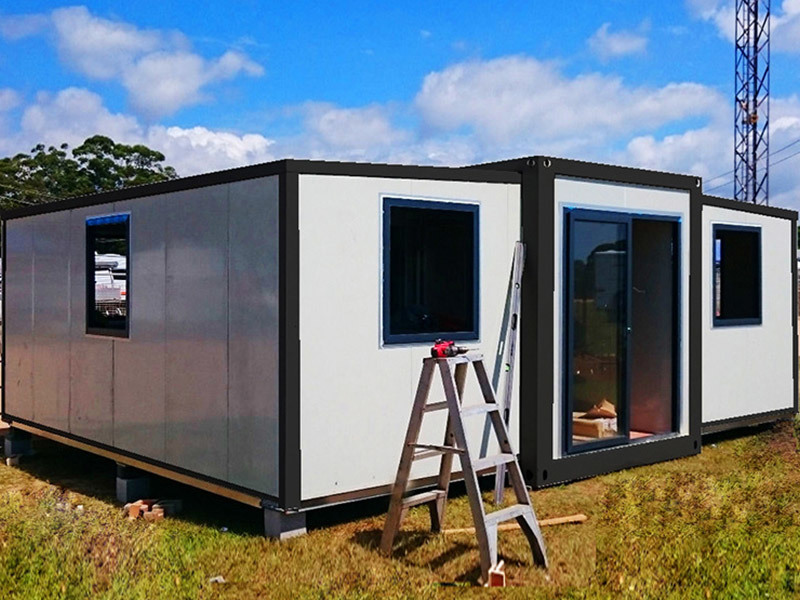
The design of foldable container homes incorporates innovative engineering techniques. Each unit can be **folded down** for transport, reducing its footprint significantly. Upon arrival, it can be easily unfolded and set up, often without the need for extensive construction. This method not only saves time but also lowers construction costs, making sustainable living more accessible.
The Environmental Benefits of Foldable Container Homes
Emphasizing sustainability, foldable container homes come with a range of environmental benefits:
Reduced Waste and Resource Utilization
By repurposing shipping containers, these homes significantly reduce the demand for new materials, thereby lowering the environmental impact associated with manufacturing. Each container that is transformed into a livable space diverts waste from landfills, contributing to a circular economy.
Energy Efficiency and Minimal Carbon Footprint
Foldable container homes can be designed with energy-efficient features, such as solar panels, high-quality insulation, and efficient HVAC systems. These elements work together to minimize energy consumption and reduce the overall carbon footprint, aligning with global efforts to combat climate change.
Promoting Sustainable Living Practices
Living in a foldable container home encourages individuals and families to adopt more sustainable lifestyles. With limited space, residents are often motivated to minimize their possessions, leading to a simpler, more environmentally conscious way of living.
Affordability and Accessibility in Housing
One of the most significant advantages of foldable container homes is their affordability. Traditional housing prices are often out of reach for many, particularly in urban areas. Foldable container homes offer a cost-effective alternative:
Lower Construction Costs
The process of converting shipping containers into homes is generally less expensive than conventional construction methods. This affordability opens doors for individuals and families who may struggle to find suitable housing options within their budget.
Flexibility for Various Living Situations
Foldable container homes can cater to a variety of living situations, whether for single individuals, small families, or even as part of a community housing initiative. Their adaptability makes them a viable solution in diverse contexts, from urban settings to rural areas.
Fast Deployment for Emergency Housing
In times of crisis, such as natural disasters, foldable container homes can be deployed quickly to provide shelter for those in need. Their portability and easy assembly make them ideal for humanitarian efforts and disaster relief.
Design Flexibility and Customization Options
Foldable container homes are not only functional but also offer a wide range of design possibilities. Homeowners can customize their living spaces to reflect personal aesthetics and practicality.
Innovative Interior Layouts
The interior of a foldable container home can be designed to maximize space and functionality. From open-concept living areas to multi-purpose rooms, these homes can be tailored to meet the unique needs of their residents.
Exterior Aesthetics and Landscaping
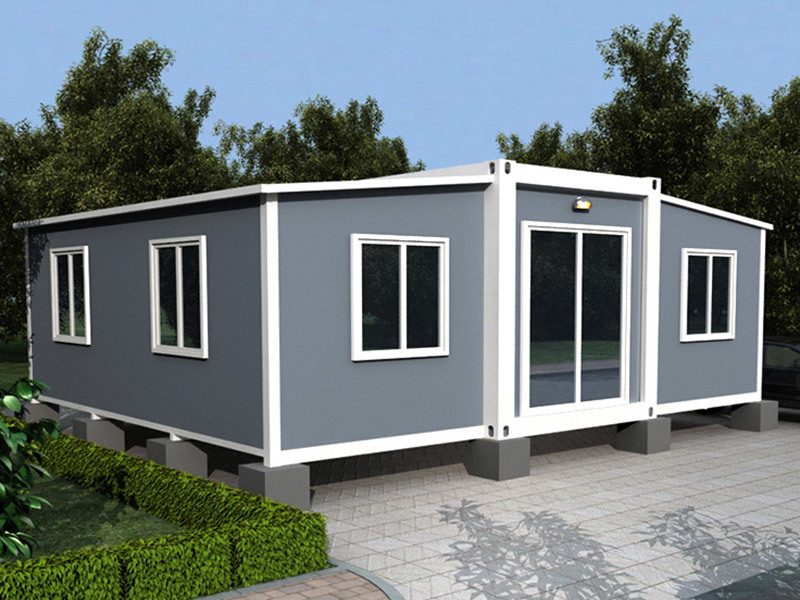
The exterior of foldable container homes can also be customized to blend seamlessly with the environment. Innovative landscaping and outdoor spaces enhance the overall appeal and livability of these homes, making them attractive options for modern living.
Integration with Smart Home Technology
Modern foldable container homes can easily integrate smart home technology, enhancing security, energy efficiency, and convenience. Features such as smart thermostats, automated lighting, and security systems can be incorporated to create a comfortable living experience.
Challenges and Considerations in Foldable Container Home Living
While foldable container homes offer numerous benefits, several challenges must be addressed:
Regulatory and Zoning Issues
Depending on the location, zoning regulations may pose challenges for the installation of container homes. Navigating these regulations is essential to ensure compliance and secure necessary permits.
Insulation and Climate Considerations
Proper insulation is crucial for maintaining comfortable temperatures within foldable container homes. Depending on the climate, homeowners may need to invest in additional insulation materials to ensure energy efficiency and comfort.
Potential Financing Challenges
Although foldable container homes are often more affordable, securing financing may be challenging for some buyers. Traditional lenders may be unfamiliar with this housing model, leading to complications in obtaining loans.
Real-Life Examples of Successful Foldable Container Home Projects
Several innovative projects showcase the potential of foldable container homes in various settings:
Community Housing Initiatives
Many cities have implemented container housing projects to address homelessness and provide affordable housing solutions. These initiatives demonstrate the effectiveness of foldable container homes in creating supportive communities.
Eco-Friendly Retreats and Vacation Rentals
Foldable container homes are increasingly used in the hospitality industry as eco-friendly retreats and vacation rentals. These unique accommodations attract travelers seeking sustainable options, contributing to the growing green tourism market.
Disaster Relief and Temporary Shelters
Organizations and governments have successfully utilized foldable container homes for disaster relief efforts, providing immediate shelters for those affected by natural disasters. Their portability and adaptability make them a reliable choice for emergency housing.
Frequently Asked Questions
1. What are the main benefits of living in a foldable container home?
Living in a foldable container home provides benefits such as affordability, sustainability, flexibility, and a unique living experience.
2. How do foldable container homes compare to traditional houses?
Foldable container homes are generally more affordable and environmentally friendly, offering a sustainable alternative to traditional housing.
3. Can I customize my foldable container home?
Yes, foldable container homes can be customized in terms of interior layout, exterior design, and smart home technology integration.
4. Are foldable container homes suitable for all climates?
With proper insulation and design considerations, foldable container homes can be made suitable for various climates.
5. What are the common challenges associated with foldable container homes?
Common challenges include regulatory issues, insulation needs, and potential financing difficulties.
Conclusion
Foldable container homes represent a forward-thinking solution to the pressing challenges of modern housing and sustainability. By combining affordability, environmental responsibility, and design flexibility, these innovative structures pave the way for a future where sustainable living is within reach for everyone. As we continue to explore new ways to address housing needs and environmental concerns, foldable container homes stand out as a beacon of hope, demonstrating that sustainable living is not just a dream but a tangible reality.
Hot Tags:
Contact Us
E-mail:
Phone/WhatsApp:
Address:
No. 132 Renmin West Road, Fucheng County, Hengshui City, Hebei Province