Committed To Providing Customers With One-Stop Integrated Housing Solutions


Hebei Moerzhan Metal Products Co., Ltd.
How Integrated Houses Revolutionize Sustainable Living
Mar 11,2025

How Integrated Houses Revolutionize Sustainable Living
Table of Contents
- Introduction to Integrated Houses
- What Are Integrated Houses?
- Key Features of Integrated Houses
- Sustainable Architecture and Design Principles
- Benefits of Integrated Houses for Sustainable Living
- Eco-Friendly Materials Used in Integrated Houses
- Energy Efficiency in Integrated Housing
- The Future of Integrated Houses and Sustainable Development
- FAQs About Integrated Houses
- Conclusion
Introduction to Integrated Houses
In recent years, the concept of **integrated houses** has emerged as a beacon of hope in the quest for sustainable living. These innovative structures are designed to harmonize with their environment while offering eco-friendly solutions to modern living challenges. By seamlessly integrating various aspects of architecture, design, and technology, integrated houses provide a unique opportunity to reduce our ecological footprint while enhancing our quality of life.
What Are Integrated Houses?
Integrated houses are more than just dwellings; they are a holistic approach to sustainable living. These homes are characterized by their **interconnected systems** that work together to optimize energy use, minimize waste, and promote conservation. The integration of various building components, such as **solar panels**, **rainwater harvesting systems**, and **green roofs**, allows these houses to function efficiently while reducing environmental impact.
Characteristics of Integrated Houses
1. **Holistic Design**: Integrated houses are designed with the entire ecosystem in mind, focusing on energy efficiency and sustainability.
2. **Smart Technology**: Many of these homes incorporate smart technology to monitor energy use and optimize consumption.
3. **Adaptability**: Integrated houses can be customized to fit different climates and environmental conditions, making them versatile and resilient.
Key Features of Integrated Houses
Integrated houses boast several key features that set them apart from traditional homes. Understanding these features can help homeowners and builders alike embrace a more sustainable way of living.
Modular Construction
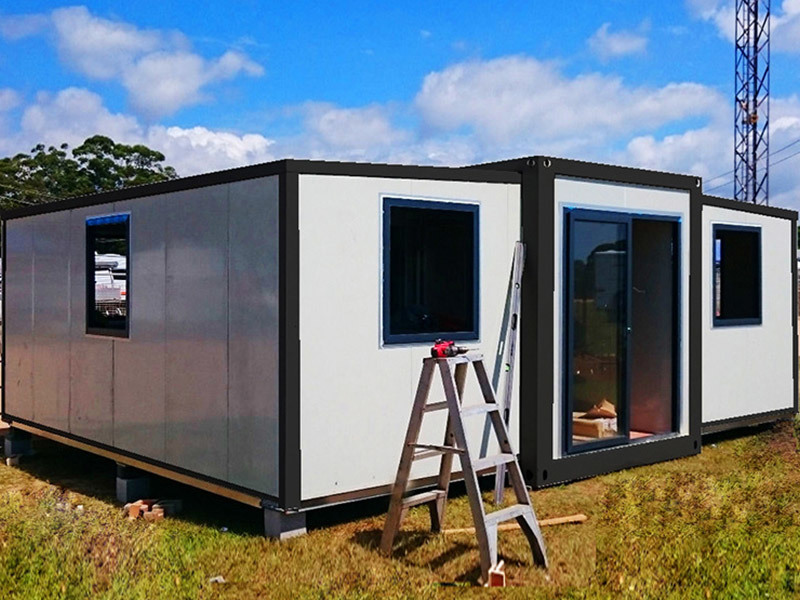
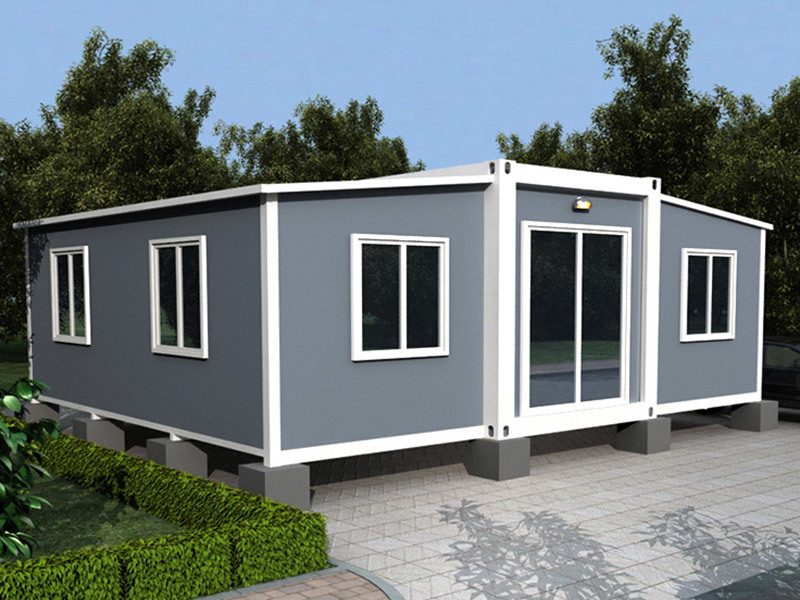
One of the standout aspects of integrated houses is their **modular construction**. This approach not only streamlines the building process but also reduces waste. Components can be prefabricated off-site, ensuring precise construction and minimizing environmental disruption.
Passive Solar Design
Integrated houses often utilize **passive solar design** principles, maximizing natural light and heat from the sun. By strategically placing windows and using thermal mass materials, these homes can maintain comfortable indoor temperatures year-round, reducing reliance on heating and cooling systems.
Green Landscaping
The integration of green landscaping is fundamental to the sustainability of these homes. Native plants, edible gardens, and permeable surfaces help manage stormwater, enhance biodiversity, and create aesthetically pleasing environments.
Sustainable Architecture and Design Principles
Sustainable architecture focuses on creating buildings that are environmentally responsible and resource-efficient. Integrated houses exemplify these principles by incorporating various strategies to reduce their impact on the planet.
Energy Efficiency
Energy efficiency is paramount in the design of integrated houses. By employing energy-efficient appliances, LED lighting, and high-quality insulation, homeowners can significantly lower their energy consumption and costs.
Water Conservation
Water conservation features, such as low-flow fixtures, greywater recycling systems, and drought-resistant landscaping, are integral to integrated houses. These measures not only reduce water usage but also promote responsible water management.
Use of Renewable Resources
Integrated houses often rely on **renewable resources**, such as solar and wind energy, to power their systems. This shift towards renewables is crucial in decreasing reliance on fossil fuels and reducing greenhouse gas emissions.
Benefits of Integrated Houses for Sustainable Living
The transition to integrated houses presents numerous benefits, not only for the environment but also for homeowners and communities.
Reduced Carbon Footprint
By focusing on energy efficiency and sustainable materials, integrated houses contribute to reducing individuals' carbon footprints. This collective effort is crucial in combating climate change and promoting a healthier planet.
Cost Savings
In the long run, integrated houses can lead to significant cost savings. Lower energy bills, reduced maintenance costs, and potential tax incentives for green building practices provide financial benefits to homeowners.
Enhanced Quality of Life
Living in an integrated house can enhance overall quality of life. These homes often provide healthier indoor environments, greater access to nature, and a sense of community, all of which contribute to well-being.
Eco-Friendly Materials Used in Integrated Houses
The choice of materials in integrated houses plays a vital role in their sustainability. Utilizing eco-friendly materials not only minimizes environmental impact but also contributes to the overall health of the occupants.
Recycled and Reclaimed Materials
Many integrated houses utilize **recycled and reclaimed materials**, reducing waste and conserving resources. This approach can include anything from reclaimed wood to recycled metal and glass.
Locally Sourced Materials
Opting for locally sourced materials minimizes the carbon footprint associated with transportation. By supporting local economies and reducing emissions, homeowners can make a positive impact on their communities.
Non-Toxic Finishes
Using non-toxic paints, finishes, and adhesives is essential for maintaining a healthy indoor environment. Integrated houses prioritize materials that are free from harmful chemicals, promoting better air quality.
Energy Efficiency in Integrated Housing
Energy efficiency is a core principle of integrated houses. By leveraging technology and design strategies, these homes can achieve remarkable energy savings.
Smart Home Technology
The integration of **smart home technology** allows homeowners to monitor and control energy use in real-time. Smart thermostats, lighting systems, and energy management tools contribute to more efficient energy consumption.
High-Performance Insulation
Effective insulation is crucial for maintaining comfortable indoor temperatures. Integrated houses often use high-performance insulation materials to minimize heat loss in winter and keep homes cool in summer.
Renewable Energy Systems
Many integrated houses feature renewable energy systems, such as solar panels or wind turbines, which can provide a significant portion of their energy needs. This not only reduces monthly energy costs but also contributes to energy independence.
The Future of Integrated Houses and Sustainable Development
As we look toward the future, integrated houses represent a pivotal shift in sustainable development. Their innovative designs and eco-friendly features pave the way for a more sustainable and resilient built environment.
Community Development
The proliferation of integrated houses can lead to the development of sustainable communities. These neighborhoods can be designed to promote walkability, access to public transport, and green spaces, fostering a sense of belonging and environmental responsibility.
Policy and Regulation
Government policies and building regulations must evolve to support the growth of integrated houses. Incentives for sustainable building practices, funding for renewable energy projects, and stricter building codes can encourage more homeowners to adopt integrated housing solutions.
Education and Awareness
Raising public awareness about the benefits of integrated houses is essential for driving adoption. Educational initiatives can empower homeowners and builders to embrace sustainable practices and understand the long-term advantages of integrated housing.
FAQs About Integrated Houses
1. What types of materials are best for integrated houses?
**Integrated houses** typically use eco-friendly materials such as recycled wood, reclaimed metals, and non-toxic finishes. Choosing locally sourced materials can also enhance sustainability.
2. How do integrated houses contribute to energy savings?
These homes utilize **energy-efficient appliances**, smart technology, and high-performance insulation to minimize energy consumption, resulting in lower utility bills.
3. Are integrated houses more expensive to build?
While initial costs may be higher, integrated houses often lead to long-term savings through reduced energy bills and maintenance costs, making them a financially viable option over time.
4. Can integrated houses be built in any climate?
Yes, integrated houses can be designed to adapt to various climates by utilizing appropriate materials and energy-efficient systems tailored to specific environmental conditions.
5. What role does community play in the success of integrated houses?
**Community** involvement is crucial in promoting integrated housing solutions. By fostering collaboration among residents, developers, and local governments, sustainable neighborhoods can thrive.
Conclusion
Integrated houses represent a groundbreaking approach to sustainable living, combining innovative design, eco-friendly materials, and energy-efficient systems. As we navigate the challenges of climate change and resource depletion, embracing integrated housing can play a vital role in fostering a healthier environment and enhancing our quality of life. By prioritizing sustainability in our homes, we can build a brighter future for generations to come. It’s time to embrace this revolution in housing and contribute to a more sustainable world.
Hot Tags:
Contact Us
E-mail:
Phone/WhatsApp:
Address:
No. 132 Renmin West Road, Fucheng County, Hengshui City, Hebei Province