Committed To Providing Customers With One-Stop Integrated Housing Solutions


Hebei Moerzhan Metal Products Co., Ltd.
Building a Shipping Container Home: From Concept to Completion
Mar 06,2025

Building a Shipping Container Home: From Concept to Completion
Shipping container homes have gained immense popularity in recent years, offering a unique and sustainable alternative to traditional housing. With their distinctive aesthetic and eco-friendly nature, these homes allow for creative designs that can fit various lifestyles and budgets. In this comprehensive guide, we will walk you through every step of building a shipping container home, from initial concepts to the final touches. Let’s dive into the exciting world of container living!
Table of Contents
- What is a Shipping Container Home?
- Benefits of Using Shipping Containers for Home Building
- Design Ideas for a Shipping Container Home
- Planning Your Shipping Container Home
- Step-by-Step Guide to Building a Shipping Container Home
- Choosing the Right Location for Your Container Home
- Cost Estimation and Financing Options
- Sustainability Aspects of Shipping Container Homes
- Common Challenges and Solutions
- Frequently Asked Questions
- Conclusion
What is a Shipping Container Home?
A shipping container home is constructed using one or more steel shipping containers, which are typically used for transporting goods across the globe. These robust structures are designed to withstand harsh conditions, making them excellent building blocks for homes. The versatility of shipping containers allows for various architectural styles, from minimalist designs to modern luxury homes.
Types of Shipping Containers
There are primarily two types of shipping containers used in construction:
- Standard Containers: These containers come in various sizes, typically 20 or 40 feet long, and are ideal for creating living spaces.
- High Cube Containers: Slightly taller than standard containers, high cube containers provide additional vertical space, making them suitable for homes with lofts or higher ceilings.
Benefits of Using Shipping Containers for Home Building
Choosing a shipping container as the foundation for your home comes with numerous advantages:
1. Cost-Effectiveness
Shipping containers can be significantly cheaper than traditional building materials. They provide a unique opportunity to construct a home on a budget without sacrificing quality.
2. Durability and Strength
Constructed from heavy-duty steel, shipping containers are designed to withstand extreme weather, making them a durable option for housing.
3. Eco-Friendly Living
Building with shipping containers promotes sustainability by repurposing materials that would otherwise contribute to landfill waste. Additionally, container homes often incorporate energy-efficient features.
4. Speed of Construction
Container homes can often be constructed in a fraction of the time it takes to build traditional homes, allowing for quicker occupancy.
5. Aesthetic Versatility
With the ability to stack and combine containers in various configurations, homeowners can achieve a unique and stylish look that reflects their personal taste.
Design Ideas for a Shipping Container Home
If you’re considering building a shipping container home, here are some creative design ideas to inspire your project:
1. Open Concept Living
Embrace open spaces by using multiple containers to create expansive living and kitchen areas. Large windows can enhance natural light and create a welcoming atmosphere.
2. Multi-Container Layouts
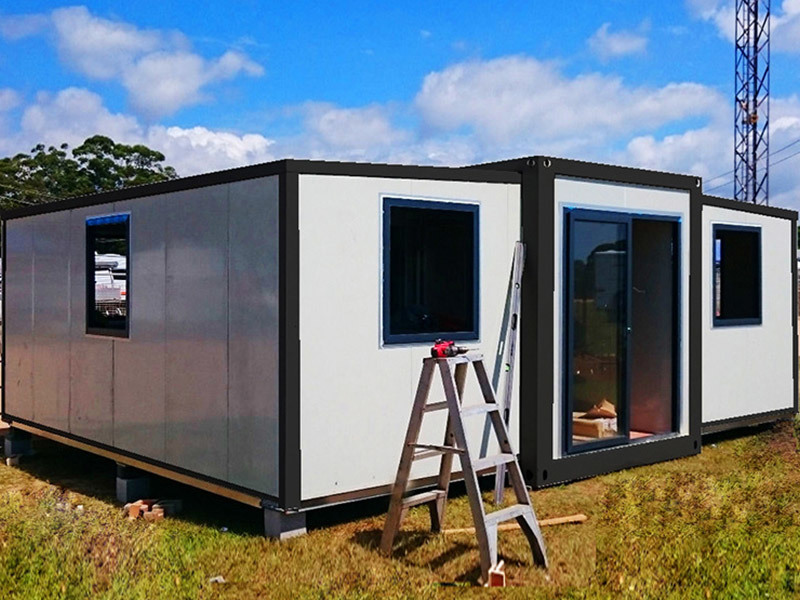
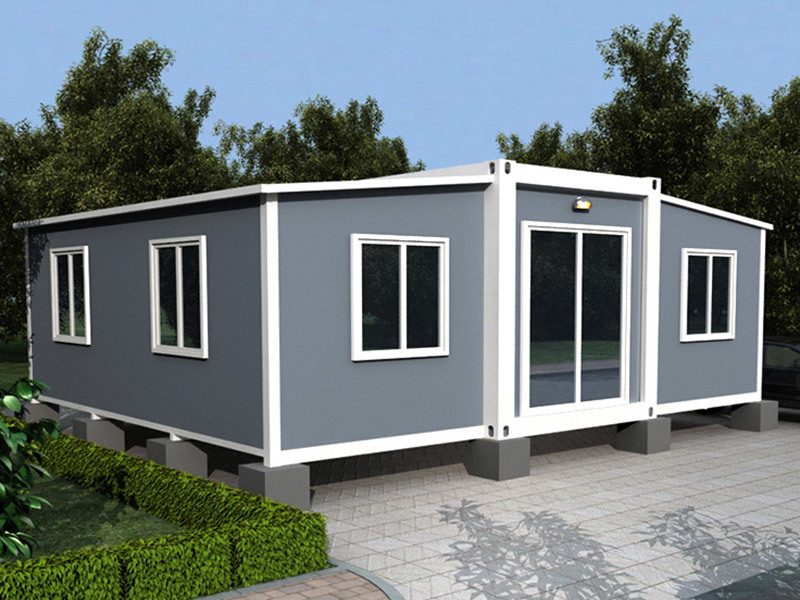
Consider using multiple containers arranged in an L-shape or U-shape to define different areas, such as bedrooms, bathrooms, and living spaces.
3. Sustainable Features
Integrate solar panels, green roofs, and rainwater harvesting systems to create an eco-friendly home that minimizes your carbon footprint.
4. Indoor-Outdoor Flow
Incorporate large sliding doors or glass walls to connect indoor spaces with outdoor living areas, perfect for entertaining or enjoying nature.
Planning Your Shipping Container Home
The planning phase is crucial for the successful construction of your shipping container home. Here are the essential steps to consider:
1. Research Local Regulations
Before you begin building, familiarize yourself with local zoning laws, building codes, and permits required for container homes.
2. Design Your Layout
Create a floor plan that suits your lifestyle, taking into consideration the number of rooms, layout, and outdoor spaces.
3. Choose Your Containers
Select the appropriate type and number of containers based on your design and budget. Inspect containers for structural integrity before purchase.
Step-by-Step Guide to Building a Shipping Container Home
Once you have your design and containers ready, follow these steps to build your home:
1. Site Preparation
Clear the building site, ensuring a level foundation for your containers. Consider using a concrete slab or piers for stability.
2. Container Modifications
Cut out windows, doors, and any other necessary openings in your containers. Reinforce the structure as needed with proper framing.
3. Connecting Containers
Weld containers together securely to create a cohesive structure. Ensure proper insulation is installed for energy efficiency.
4. Utility Installation
Install plumbing, electrical systems, and HVAC units. Ensure all installations comply with local building codes.
5. Interior Design and Finishing Touches
Finish the interior with drywall, flooring, and fixtures. Choose colors and materials that reflect your personal style.
Choosing the Right Location for Your Container Home
Location plays a significant role in the success of your shipping container home. Consider the following factors:
1. Accessibility
Ensure the site is easily accessible for construction vehicles and future occupants.
2. Utilities and Services
Check for nearby utilities such as water, electricity, and sewage services to minimize the costs of connecting to these resources.
3. Environmental Considerations
Evaluate the local climate, potential natural hazards, and land stability to protect your investment.
Cost Estimation and Financing Options
Understanding the financial aspect of building a shipping container home is vital:
1. Budgeting for Your Build
Estimate costs for containers, site preparation, labor, utilities, and finishing touches. It’s wise to add a contingency fund for unexpected expenses.
2. Financing Options
Explore various financing options, including personal loans, construction loans, and grants specifically for sustainable housing projects.
Sustainability Aspects of Shipping Container Homes
Sustainability is a critical consideration for many container home builders:
1. Repurposing Materials
Utilizing shipping containers reduces waste and promotes recycling in the construction industry.
2. Energy Efficiency
Incorporating energy-efficient appliances, insulation, and renewable energy sources contributes to lower utility bills and a smaller environmental impact.
Common Challenges and Solutions
Building a shipping container home is not without its challenges. Here are some common issues and how to address them:
1. Insulation Issues
Solution: Use high-quality insulation materials to regulate temperature effectively within the container.
2. Building Codes and Regulations
Solution: Work closely with local officials to ensure compliance with all building codes, which will help avoid costly fines or delays.
3. Design Constraints
Solution: Collaborate with an architect specializing in container homes to address design limitations creatively.
Frequently Asked Questions
1. How much does it cost to build a shipping container home?
The cost can vary widely depending on size, features, and location, but on average, you might spend between $10,000 to $50,000 for a basic container home.
2. Are shipping container homes safe?
Yes, when built correctly according to local regulations, shipping container homes are safe and durable.
3. Can I get a mortgage for a shipping container home?
Financing options are available, but not all banks may offer mortgages for unconventional homes. It's advisable to check with local lenders.
4. How long does it take to build a shipping container home?
Construction time can range from a few weeks to several months, depending on the complexity of the design and local regulations.
5. Are shipping container homes energy-efficient?
Yes, with proper insulation and energy systems in place, shipping container homes can be very energy-efficient.
Conclusion
Building a shipping container home is an exciting venture that combines creativity, sustainability, and practicality. By navigating the planning and construction phases with care, you can foster a unique living environment that reflects your personal style and values. With the information provided in this guide, we hope you feel equipped to turn your vision of a shipping container home into a reality. Embrace the journey, and enjoy the rewards of sustainable living!
Hot Tags:
Contact Us
E-mail:
Phone/WhatsApp:
Address:
No. 132 Renmin West Road, Fucheng County, Hengshui City, Hebei Province