Committed To Providing Customers With One-Stop Integrated Housing Solutions


Hebei Moerzhan Metal Products Co., Ltd.
Exploring Affordable Options for Container Homes and Shelters: A Comprehensive Guide
Feb 22,2025

Exploring Affordable Options for Container Homes and Shelters
Container homes have emerged as a revolutionary solution to affordable housing and sustainable living. With the rising costs of traditional construction and the urgency of eco-conscious living, these structures present unique opportunities for a broad range of individuals and families. This article delves into the various aspects of container homes, from design possibilities to cost considerations, providing insights that can empower your housing decisions.
Table of Contents
- 1. Introduction to Container Homes
- 2. Benefits of Container Homes
- 3. Creative Design Ideas for Container Homes
- 4. Cost Analysis: Container Homes vs. Traditional Homes
- 5. Financing Options for Container Homes
- 6. Navigating Building Permits for Container Homes
- 7. Sustainability and Eco-Friendliness of Container Shelters
- 8. Frequently Asked Questions
- 9. Conclusion
1. Introduction to Container Homes
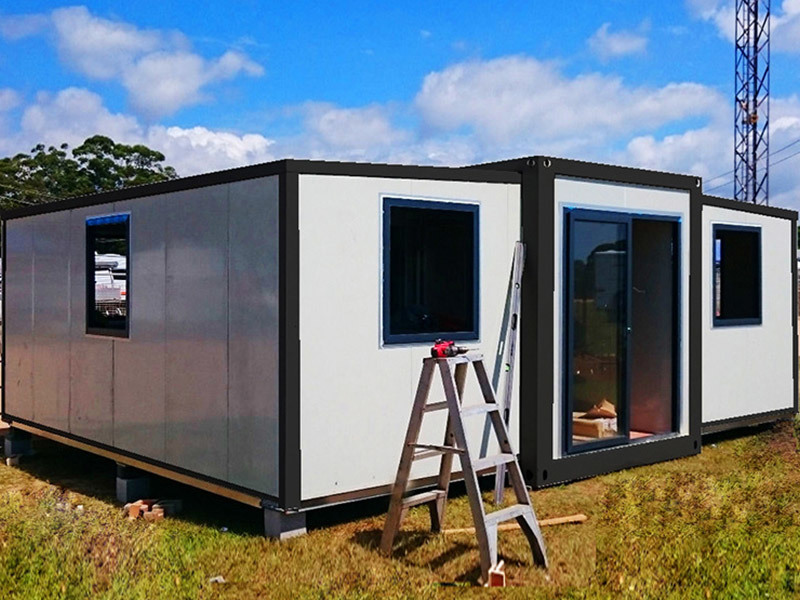
Container homes are built from repurposed shipping containers, offering an innovative approach to modern living. Originally designed for transporting goods across oceans, these robust steel structures are now being transformed into comfortable and stylish homes. The growing popularity of container homes is attributed to their affordability, versatility, and eco-friendliness.
Defining Container Shelters
Container shelters refer to the broader category that includes not just homes but also temporary housing solutions, offices, and community spaces. With their ability to be adapted for various purposes, container shelters are becoming increasingly popular among those seeking flexible living arrangements.
2. Benefits of Container Homes
The decision to invest in a container home comes with numerous benefits, making it an attractive option for many:
Affordability
Container homes typically cost less than traditional homes due to lower material and labor costs. The use of repurposed materials can significantly reduce the initial investment, making this option appealing for budget-conscious buyers.
Quick Construction
One of the most significant advantages of container homes is the speed of construction. Since the containers are pre-fabricated, the building process can be completed in a matter of weeks rather than months, allowing homeowners to move in sooner.
Durability and Resilience
Shipping containers are designed to withstand harsh conditions at sea, making them incredibly durable and resilient. This inherent strength allows container homes to endure extreme weather, ensuring long-term stability for the inhabitants.
Flexibility and Customization
Container homes can be easily customized to meet the specific needs of their owners. From single-unit designs to multi-container complexes, the possibilities are endless, allowing for unique architectural expressions.
3. Creative Design Ideas for Container Homes
The design potential for container homes is vast, enabling architects and homeowners to create stunning living spaces.
Open Concept Living
One popular trend is the open-concept layout that maximizes space and light. Removing internal walls creates a seamless flow between living, dining, and kitchen areas, making small spaces feel larger.
Indoor-Outdoor Living
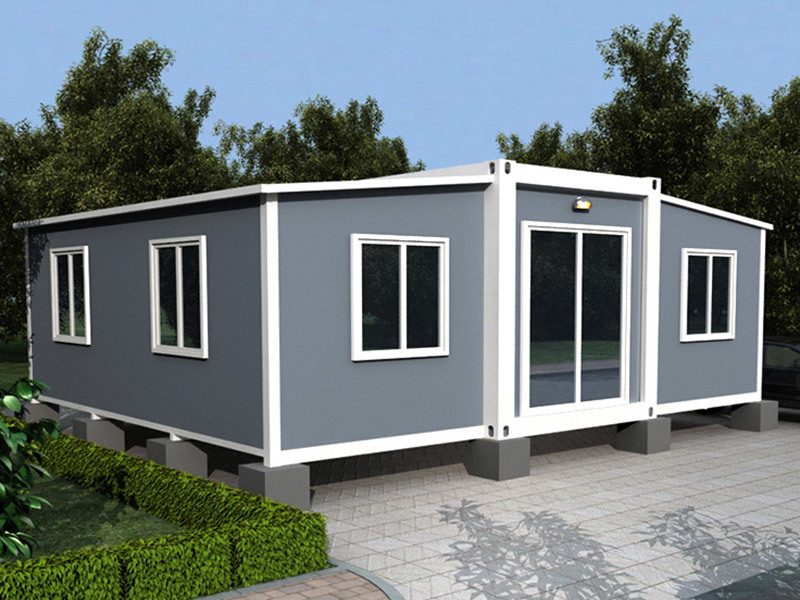
Incorporating large windows and sliding glass doors enhances the connection to the outdoors. Decks, patios, or balconies can transform a standard container home into a serene retreat that embraces nature.
Multi-Container Configurations
For those seeking more space, stacking or arranging multiple containers can create expansive living areas. This configuration can also provide separate spaces for different family members or functions, such as offices or guest suites.
Eco-Friendly Features
Designing with sustainability in mind can enhance the appeal of container homes. Features such as green roofs, solar panels, and rainwater harvesting systems can significantly reduce environmental impact while lowering utility costs.
4. Cost Analysis: Container Homes vs. Traditional Homes
Understanding the financial implications of choosing a container home is crucial for potential buyers.
Initial Investment Comparison
On average, the cost of a container home ranges from $10,000 to $50,000, significantly lower than the average price of a traditional home, which can exceed $200,000. Factors such as location, customization, and labor will influence the final costs.
Long-Term Savings
Container homes often lead to long-term savings through reduced utility costs and maintenance. Their energy-efficient designs can help lower heating and cooling expenses, making them a financially wise option in the long run.
5. Financing Options for Container Homes
Securing financing for a container home may differ from traditional home loans. Here are some options:
Personal Loans
Many buyers opt for personal loans to finance their container homes, especially if they are seeking a lower loan amount. These loans typically have higher interest rates but can be easier to obtain.
Construction Loans
Construction loans can be a viable option for those who plan to build a container home from scratch. These loans cover the costs of construction but often require a down payment and a solid credit history.
Alternative Financing Sources
Innovative financing solutions such as crowdfunding or partnerships can also help aspiring container homeowners secure the necessary funds for their projects.
6. Navigating Building Permits for Container Homes
Before embarking on a container home project, it's essential to understand local building regulations and permit requirements.
Understanding Zoning Laws
Zoning laws can vary widely, impacting where you can place a container home. Research the zoning regulations in your area to ensure compliance.
Permitting Process
Obtaining the necessary permits is crucial for the successful installation of a container home. This process typically involves submitting blueprints, paying fees, and undergoing inspections by local authorities.
7. Sustainability and Eco-Friendliness of Container Shelters
Sustainability is a critical consideration for many individuals when choosing their living arrangements.
Reusing Materials
By repurposing shipping containers, homeowners contribute to reducing waste and promoting recycling. This aspect significantly lowers the carbon footprint associated with new construction.
Energy Efficiency
Container homes can be designed with energy-efficient elements, including proper insulation, efficient heating and cooling systems, and renewable energy sources. This focus on efficiency aligns with broader goals of sustainability and resource conservation.
8. Frequently Asked Questions
What are the average costs associated with building a container home?
The costs can vary widely based on design, size, and location but typically range from $10,000 to $50,000 for a basic structure.
How long does it take to build a container home?
Construction time can range from a few weeks to several months, depending on the complexity of the design and the availability of materials.
Are container homes safe during extreme weather conditions?
Yes, container homes are designed to withstand harsh weather conditions due to their robust metal construction.
Can I finance a container home like a traditional house?
Financing may differ; options include personal loans, construction loans, or alternative funding sources.
Are container homes environmentally friendly?
Yes, they promote recycling and can be designed with energy-efficient features, making them a sustainable housing option.
9. Conclusion
Container homes represent an innovative and affordable housing option that combines sustainability with modern living. Their versatility and unique design possibilities cater to a wide range of needs and preferences. As the housing market continues to evolve, embracing container living could not only provide a solution to affordability but also contribute to a more sustainable future. By carefully considering your options and navigating the necessary regulations, you can embark on a rewarding journey into container home ownership that aligns with your lifestyle and values.
Hot Tags:
Contact Us
E-mail:
Phone/WhatsApp:
Address:
No. 132 Renmin West Road, Fucheng County, Hengshui City, Hebei Province