Committed To Providing Customers With One-Stop Integrated Housing Solutions


Hebei Moerzhan Metal Products Co., Ltd.
Living Large in a Small Space: Customized Collapsible Tiny Home Ideas
Dec 21,2024

Living Large in a Small Space: Customized Collapsible Tiny Home Ideas
Introduction to Tiny Living: Embracing Minimalism
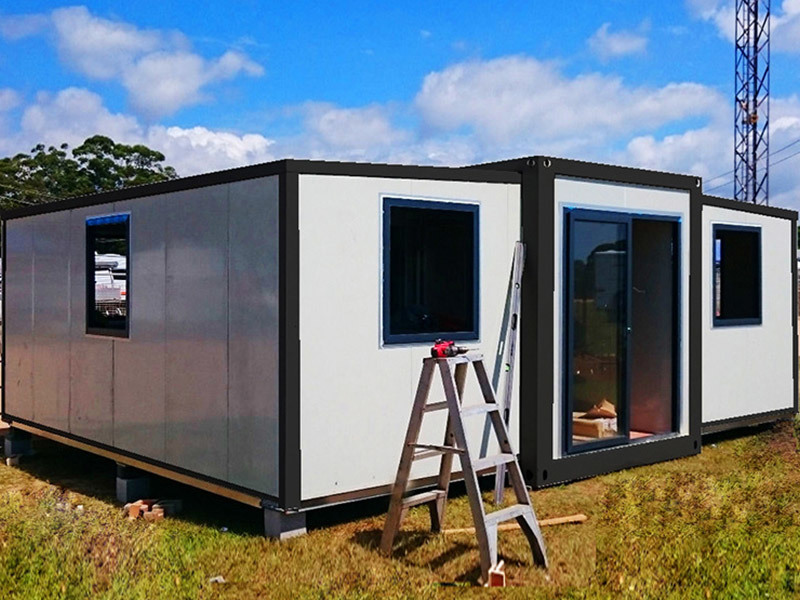
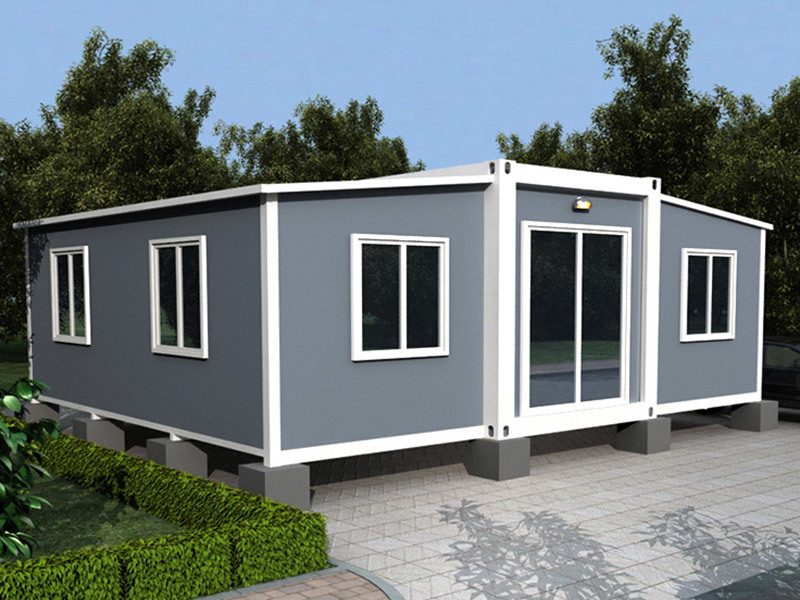
In recent years, the concept of tiny living has gained immense popularity as more individuals seek to simplify their lives and reduce their environmental footprint. Customized collapsible tiny homes offer a unique solution for those who wish to embrace minimalism while still enjoying the comforts of modern living. This article delves into innovative ideas for designing and building your very own collapsible tiny home, focusing on sustainable materials, multifunctional spaces, and the art of maximizing every square foot.
Understanding the Benefits of Collapsible Tiny Homes
Collapsible tiny homes come with a plethora of advantages that make them an appealing choice for many. Let’s explore some of the key benefits:
1. Space Efficiency: Making the Most of Every Inch
The primary allure of tiny homes lies in their ability to maximize space. Collapsible designs allow homeowners to utilize every inch effectively, incorporating clever storage solutions and multifunctional furniture. Imagine a living room that transforms into a guest bedroom at night or a dining table that folds away when not in use.
2. Cost-Effectiveness: Budget-Friendly Living
Building or purchasing a collapsible tiny home can be significantly more affordable than traditional housing. Lower construction costs, reduced utility bills, and minimal maintenance expenses mean that you can live comfortably without breaking the bank.
3. Mobility: Freedom to Move
Many collapsible tiny homes are designed to be mobile, allowing homeowners to relocate their living space effortlessly. This flexibility is ideal for those who love to travel or wish to experience different environments without the commitment of permanent housing.
4. Environmental Sustainability: A Greener Choice
Tiny homes often use fewer resources than larger houses, making them an environmentally friendly option. Many designs focus on sustainable materials and energy-efficient systems, promoting a lifestyle that minimizes waste and conserves energy.
Designing Your Customized Collapsible Tiny Home
Now that we understand the benefits, let’s dive into the design aspects of customized collapsible tiny homes.
1. Choosing the Right Design Aesthetic
When planning your tiny home, consider the design aesthetic that resonates with you. Whether you prefer a modern, sleek look or a rustic, cozy feel, your home should reflect your personal style. Here are some popular design options:
Modern Minimalism
This design focuses on clean lines, neutral colors, and an uncluttered look. Incorporating large windows can enhance natural light, making the space feel more open.
Rustic Charm
Wooden textures, vintage accents, and earthy tones create a warm, inviting atmosphere. This style often incorporates reclaimed materials, adding character and sustainability.
Industrial Style
With exposed beams, concrete floors, and metal fixtures, industrial design offers a chic, urban vibe. This aesthetic can be complemented with vibrant pops of color or greenery.
2. Selecting Sustainable Materials
Sustainability is crucial when building a tiny home. Here are some materials to consider:
Reclaimed Wood
Using reclaimed wood not only adds character to your home but also reduces the need for new timber, preserving forests and minimizing your environmental impact.
Eco-Friendly Insulation
Investing in eco-friendly insulation materials, such as sheep’s wool or recycled denim, ensures your tiny home remains comfortable year-round without harming the planet.
Solar Panels
Integrating solar panels into your design can help power your tiny home sustainably, reducing reliance on traditional energy sources and lowering your utility costs.
Innovative Space-Saving Solutions for Tiny Homes
To truly live large in a small space, consider these innovative space-saving solutions:
1. Multifunctional Furniture
Invest in furniture that serves multiple purposes. For example, a sofa bed provides seating during the day and converts into a comfortable bed at night. Look for ottomans with storage capabilities or tables that can extend for larger gatherings.
2. Vertical Storage Options
Utilize vertical space by incorporating shelving and cabinets that reach upward. This not only maximizes storage but also draws the eye upward, creating a sense of height in your home.
3. Under-Floor Storage
Design your flooring to include hidden compartments for storing items like shoes, seasonal clothing, or tools. This can keep your living area clutter-free.
4. Outdoor Living Spaces
Expanding your living area to the outdoors can enhance your space. Consider collapsible decks or patios that can be set up for entertaining and folded away when not in use.
Creating a Welcoming Interior
The interior of your tiny home should be comfortable and inviting. Here are some tips for achieving a warm atmosphere:
1. Color Schemes
Select a color scheme that creates an illusion of spaciousness. Light, neutral colors can reflect light and make the area feel larger, while darker colors can add warmth and coziness.
2. Personal Touches
Incorporate personal items, such as artwork, photographs, or handmade decorations, to give your tiny home character and make it feel lived-in.
3. Smart Technology
Integrate smart home technology for convenience and efficiency. Smart lighting, heating, and security systems can be controlled through your smartphone and help manage energy consumption.
FAQs About Customized Collapsible Tiny Homes
1. What are the dimensions of a typical collapsible tiny home?
Typically, a collapsible tiny home ranges from 100 to 400 square feet, though custom designs can vary widely based on personal preferences.
2. Can I design my collapsible tiny home myself?
Absolutely! Many people opt to create their designs to suit their specific needs and tastes. Working with an architect or designer can also help bring your vision to life.
3. How do I ensure my tiny home is durable and safe?
Choosing high-quality materials, adhering to local building codes, and engaging professionals for construction will ensure durability and safety.
4. What is the average cost of building a collapsible tiny home?
Costs vary depending on design, materials, and location, but on average, you can expect to spend between $20,000 to $100,000.
5. Are collapsible tiny homes suitable for year-round living?
Yes, many collapsible tiny homes are designed for year-round living with proper insulation, heating, and cooling systems.
Conclusion: Your Journey to Tiny Living
Living large in a small space is not only achievable; it can also be a fulfilling adventure. With customized collapsible tiny home ideas, you can design a space that suits your lifestyle while embracing sustainability and minimalism. By focusing on innovative design, sustainable materials, and smart space-saving solutions, you can create a comfortable, stylish home that allows you to thrive in a smaller footprint. As you embark on your tiny living journey, remember that every choice you make contributes to a more sustainable future while providing a cozy and welcoming atmosphere that truly feels like home.
Hot Tags:
Contact Us
E-mail:
Phone/WhatsApp:
Address:
No. 132 Renmin West Road, Fucheng County, Hengshui City, Hebei Province