Committed To Providing Customers With One-Stop Integrated Housing Solutions


Hebei Moerzhan Metal Products Co., Ltd.
The Role of Prefab Folding Houses in Disaster Relief Efforts: A Game-Changer in Emergency Housing Solutions
Nov 22,2024

The Role of Prefab Folding Houses in Disaster Relief Efforts
Table of Contents
1. Introduction to Prefab Folding Houses
2. Understanding Disaster Relief Housing Needs
3. Advantages of Prefab Folding Houses
3.1. Rapid Deployment Capabilities
3.2. Cost-Effectiveness
3.3. Sustainability and Environmental Impact
4. Design Innovations in Prefab Folding Houses
4.1. Modular Construction
4.2. Customization Options
5. Case Studies of Prefab Folding Houses in Action
5.1. Recent Disaster Scenarios
5.2. Success Stories and Testimonials
6. Challenges Facing Prefab Folding Houses in Disaster Relief
6.1. Regulatory Hurdles
6.2. Public Perception and Acceptance
7. The Future of Prefab Folding Houses in Humanitarian Efforts
8. Conclusion
9. FAQs
1. Introduction to Prefab Folding Houses
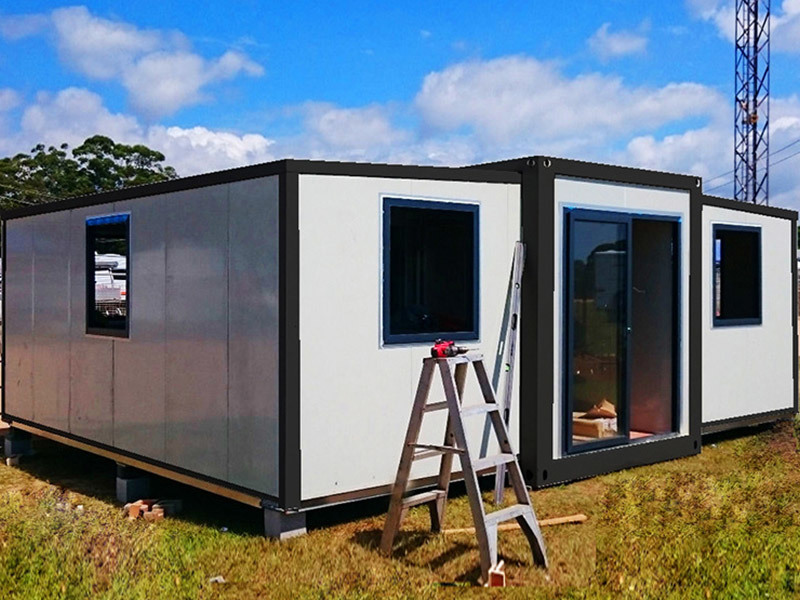
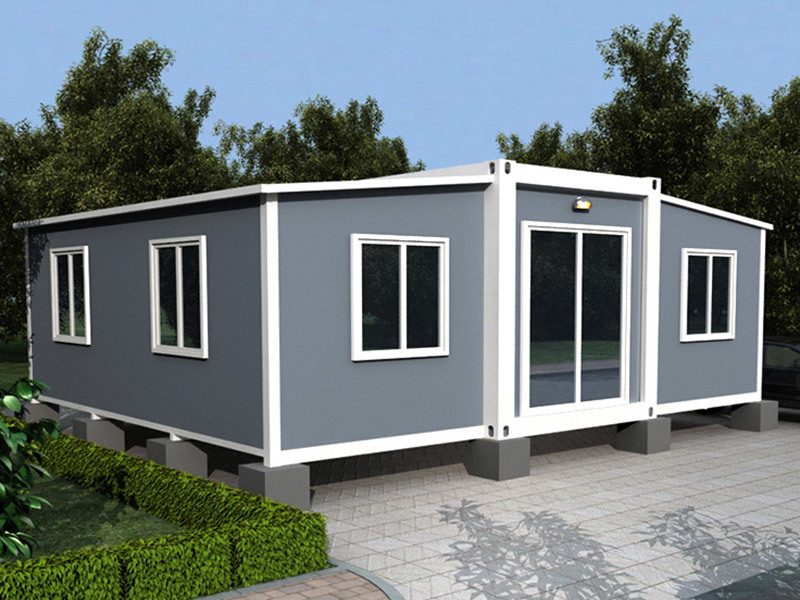
Prefab folding houses are revolutionizing the way we approach disaster relief. These innovative structures are designed to be easily transported and assembled, offering a rapid response to housing needs in the aftermath of natural disasters. With a focus on efficiency and adaptability, prefab folding houses can be deployed in a variety of settings, providing essential shelter to those affected by crises.
2. Understanding Disaster Relief Housing Needs
Disaster situations create urgent housing needs as communities face displacement due to events such as earthquakes, floods, and hurricanes. Traditional housing solutions often fall short, taking months or even years to implement. This urgency highlights the need for innovative solutions that not only provide immediate shelter but also maintain a sense of stability and community for those affected.
3. Advantages of Prefab Folding Houses
Prefab folding houses offer numerous advantages over traditional housing solutions in disaster relief scenarios.
3.1. Rapid Deployment Capabilities
One of the primary benefits of prefab folding houses is their **rapid deployment capabilities**. These structures can be easily transported to disaster-stricken areas, allowing for quick setup and occupancy. In many cases, these homes can be assembled in a matter of hours, providing immediate relief to displaced families.
3.2. Cost-Effectiveness
Cost is a significant factor in disaster relief efforts. Prefab folding houses are often more economical to produce and assemble than traditional homes, reducing the overall financial burden on relief organizations. This cost-effectiveness allows for more resources to be allocated to other critical needs, such as food and medical assistance.
3.3. Sustainability and Environmental Impact
Sustainability is a growing concern in construction and disaster relief. Many prefab folding houses are designed with eco-friendly materials and energy-efficient features. This reduces their environmental footprint and aligns with global efforts to promote sustainable living. By utilizing renewable resources and minimizing waste, these structures represent a forward-thinking approach to emergency housing.
4. Design Innovations in Prefab Folding Houses
The design of prefab folding houses has evolved significantly, incorporating modern architectural principles that enhance functionality and comfort.
4.1. Modular Construction
Prefab folding houses often utilize **modular construction** techniques, allowing for the easy assembly of various components. This not only speeds up the construction process but also enables flexibility in design and layout. Each unit can be tailored to meet the specific needs of its occupants, creating a more personalized living environment.
4.2. Customization Options
Innovation in design extends to customization options. Many prefab folding houses offer various layouts, finishes, and features that can be adapted to suit different climates and cultural preferences. This level of personalization fosters a sense of ownership and community among residents.
5. Case Studies of Prefab Folding Houses in Action
Real-world case studies illustrate the effectiveness of prefab folding houses in disaster relief scenarios.
5.1. Recent Disaster Scenarios
In the wake of recent disasters, such as hurricanes and earthquakes, organizations have deployed prefab folding houses to provide immediate shelter. In various instances, these structures have enabled families to regain a sense of normalcy and stability during the recovery process.
5.2. Success Stories and Testimonials
Numerous testimonials from beneficiaries highlight the impact of prefab folding houses on their lives. Many residents express gratitude for the timely assistance they received, emphasizing how these homes allowed them to rebuild their lives after devastating events.
6. Challenges Facing Prefab Folding Houses in Disaster Relief
Despite their many advantages, prefab folding houses encounter challenges that can hinder their implementation.
6.1. Regulatory Hurdles
Navigating regulatory frameworks can be complicated for organizations wishing to deploy prefab folding houses. Building codes and zoning regulations vary by region, which can delay the approval process for these structures.
6.2. Public Perception and Acceptance
Public perception plays a crucial role in the acceptance of prefab folding houses. Some individuals might view them as temporary solutions, leading to concerns about their durability and long-term viability. Addressing these misconceptions is essential for fostering community support.
7. The Future of Prefab Folding Houses in Humanitarian Efforts
Looking ahead, prefab folding houses are poised to play an increasingly vital role in humanitarian efforts. As technology advances, we can expect to see improvements in design, materials, and construction methods, further enhancing their effectiveness in disaster relief.
Innovations such as smart home technology and enhanced insulation will make these structures even more appealing for both humanitarian organizations and displaced communities. By continuing to invest in this field, the potential for prefab folding houses to transform emergency housing solutions is immense.
8. Conclusion
Prefab folding houses represent a significant advancement in disaster relief efforts, providing rapid, cost-effective, and sustainable housing solutions during times of crisis. Their innovative designs and customizable options make them highly adaptable to the varying needs of communities affected by disasters. By overcoming regulatory hurdles and addressing public perception, we can optimize the deployment of these structures and improve the lives of countless individuals facing displacement. As we look to the future, the role of prefab folding houses in humanitarian efforts will undoubtedly expand, offering hope and resilience in the wake of adversity.
9. FAQs
1. What are prefab folding houses?
Prefab folding houses are pre-manufactured structures designed for easy transportation and quick assembly, making them ideal for disaster relief situations.
2. How quickly can prefab folding houses be deployed?
Prefab folding houses can often be assembled and ready for occupancy within hours, providing immediate shelter in emergency situations.
3. Are prefab folding houses environmentally friendly?
Many prefab folding houses are constructed using eco-friendly materials and energy-efficient designs, minimizing their environmental impact.
4. What are the costs associated with prefab folding houses?
Prefab folding houses are generally more cost-effective than traditional housing solutions, allowing for efficient allocation of resources in disaster relief efforts.
5. How can communities support the use of prefab folding houses?
Communities can support the use of prefab folding houses by advocating for their acceptance and addressing misconceptions about their durability and effectiveness as permanent housing solutions.
Hot Tags:
Contact Us
E-mail:
Phone/WhatsApp:
Address:
No. 132 Renmin West Road, Fucheng County, Hengshui City, Hebei Province