Committed To Providing Customers With One-Stop Integrated Housing Solutions


Hebei Moerzhan Metal Products Co., Ltd.
Smart Home Technology Integration in Prefab Folding Houses: The Future of Convenient Living
Nov 16,2024

Smart Home Technology Integration in Prefab Folding Houses: The Future of Convenient Living
In recent years, the housing industry has undergone a significant transformation, particularly with the emergence of prefab folding houses. These innovative structures not only provide a quick and cost-effective housing solution but also offer an excellent platform for integrating advanced smart home technologies. This article explores how the marriage of smart home technology and prefab folding houses creates a new standard for modern living, making homes more efficient, comfortable, and sustainable.
Understanding Prefab Folding Houses
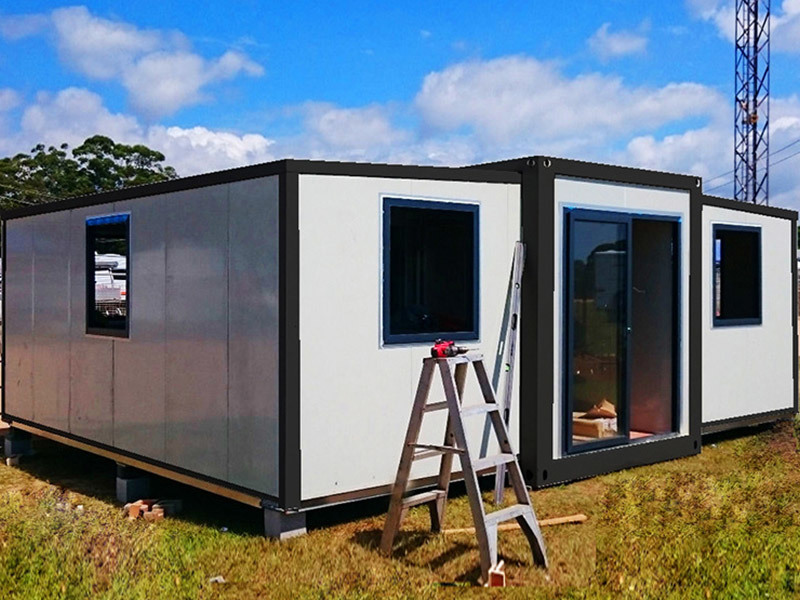
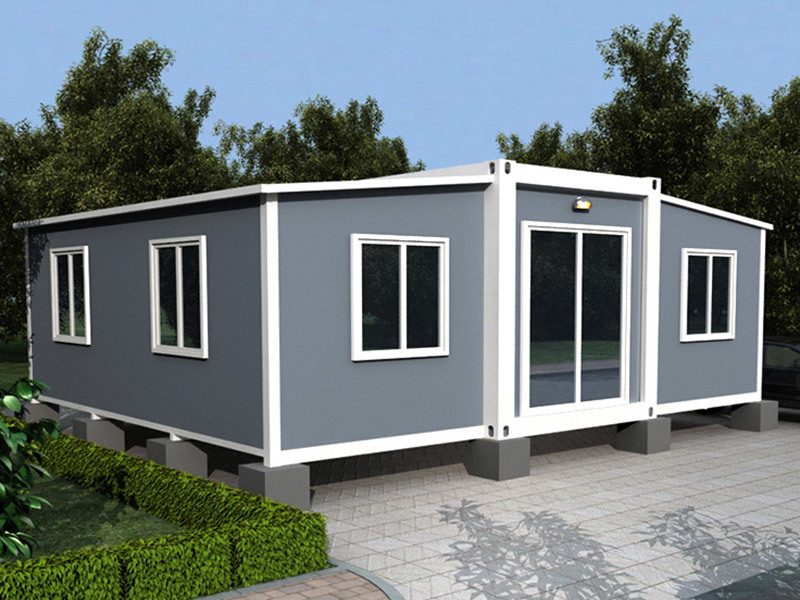
Prefab folding houses, also known as prefabricated homes, are designed and constructed off-site before being transported to their final location. These homes are built using factory-made components that are assembled on-site, resulting in reduced construction time and costs. The unique folding design allows for easy transport and quick setup, making them an ideal choice for various applications, including temporary housing, vacation homes, and even permanent residences.
The Advantages of Prefab Folding Houses
- Speed of Construction: Prefab folding houses can be erected much faster than traditional homes, often within days.
- Cost-Effectiveness: With reduced labor and material waste, these homes can be more affordable.
- Customization: Many manufacturers allow for customizable designs to meet individual preferences.
- Eco-Friendly Options: Prefab houses can be built using sustainable materials, contributing to a lower environmental footprint.
The Rise of Smart Home Technology
Smart home technology refers to a range of devices and systems that enable homeowners to control their home environment through the internet. From smart thermostats to advanced security systems, these technologies provide increased convenience and energy efficiency.
Key Features of Smart Home Technology
- Remote Control: Homeowners can control devices from anywhere using smartphones or voice assistants.
- Automation: Smart devices can be programmed to perform tasks automatically, such as adjusting lighting or temperature.
- Energy Management: Smart technologies can optimize energy use, leading to cost savings and environmental benefits.
- Enhanced Security: Smart security systems offer real-time monitoring and alerts, keeping homes safer.
Integrating Smart Home Technology in Prefab Folding Houses
The integration of smart home technology into prefab folding houses has the potential to revolutionize the way we live. Here are several key areas where this integration can be particularly beneficial:
1. Intelligent Energy Management Systems
One of the most significant benefits of smart home technology is its ability to optimize energy usage. Prefab folding houses can be equipped with intelligent energy management systems that monitor and control energy consumption. These systems can automatically adjust lighting, heating, and cooling based on the time of day, occupancy, and weather conditions, significantly reducing utility bills and environmental impact.
2. Smart Security Solutions
Security is a primary concern for homeowners. The integration of smart security devices, such as cameras, motion detectors, and smart locks, enhances the safety of prefab folding houses. Homeowners can receive real-time alerts and monitor their property remotely, providing peace of mind whether they are at home or away.
3. Automated Climate Control
Smart thermostats and climate control systems can learn homeowners' preferences and adjust temperatures accordingly. For instance, systems can lower heating or cooling when no one is home and optimize comfort when residents return. This not only enhances comfort but also contributes to energy savings.
4. Voice-Activated Home Assistants
Integrating voice-activated assistants like Amazon Alexa or Google Assistant allows tenants to control various aspects of their prefab folding home hands-free. From lighting and climate control to entertainment systems, this technology fosters a more interactive and convenient living environment.
5. Smart Appliances
Smart appliances such as refrigerators, ovens, and washing machines can be programmed and monitored remotely. These appliances can inform homeowners about energy usage and maintenance needs, making domestic chores more manageable and efficient.
6. Health and Wellness Monitoring
With the increasing focus on health, smart home technology can integrate wellness monitoring systems. For example, air quality monitors can alert homeowners about pollutants, while fitness trackers can sync with smart home systems to promote a healthier lifestyle.
7. Home Entertainment Systems
Smart home technology also enhances entertainment options. Homeowners can easily stream media, control devices, and create immersive experiences, making their prefab folding houses not just places to live but also spaces for leisure and enjoyment.
Challenges in Integrating Smart Technology
While the benefits of smart home technology are substantial, several challenges can arise during integration:
1. Cost Considerations
The initial investment in smart home technology can be significant. Homeowners must consider the cost of devices, installation, and ongoing maintenance. However, it's essential to view this as a long-term investment that can yield considerable savings.
2. Compatibility Issues
Not all smart devices are compatible with each other. Homeowners must ensure that their chosen systems can work together seamlessly to avoid frustration and inefficiency.
3. Technical Complexity
The setup and configuration of smart home systems can be complex, requiring a certain level of tech-savviness. Homeowners may need to invest time in learning how to use these devices effectively.
Future Trends in Smart Home Technology for Prefab Folding Houses
The future of smart home technology in prefab folding houses is promising. As technology advances, we can expect:
1. Increased Automation
Future systems will likely include more advanced automation features, allowing for greater customization and user-friendliness. Homeowners will be able to create unique living experiences tailored to their lifestyles.
2. Enhanced Sustainability
As the focus on sustainability grows, smart home technologies will provide more eco-friendly options, such as solar energy management and water conservation systems.
3. Improved Interoperability
The industry is moving towards improved interoperability among devices, making it easier for homeowners to combine different systems without compatibility issues.
4. Greater Security Features
With rising concerns about security, we anticipate advancements in smart security technology that enhance monitoring and protection for prefab folding homes.
Conclusion
The integration of smart home technology in prefab folding houses represents a monumental shift in how we perceive modern living. By combining the efficiency of prefab construction with the advanced capabilities of smart technology, these homes offer unparalleled convenience, sustainability, and security. As technology continues to evolve, we can anticipate even more innovative solutions that will redefine the way we live, making prefab folding houses not just homes but smart living environments that cater to our every need.
FAQs
1. What are prefab folding houses?
Prefab folding houses are homes constructed off-site using factory-made components that can be easily transported and assembled, often within days. They are designed to be cost-effective and efficient.
2. How does smart home technology work?
Smart home technology uses internet-connected devices to allow homeowners to control and automate various functions within their home, including lighting, climate, security, and appliances.
3. What are the benefits of integrating smart technology in prefab homes?
Integrating smart technology in prefab homes enhances energy efficiency, improves security, increases convenience, and promotes a healthier living environment.
4. Are smart home systems expensive to install?
While the initial setup costs can be significant, the long-term savings in energy bills and increased convenience often justify the investment.
5. Can I customize my smart home setup?
Yes, many smart home systems offer customization options, allowing homeowners to tailor their technology to meet their specific needs and preferences.
Hot Tags:
Contact Us
E-mail:
Phone/WhatsApp:
Address:
No. 132 Renmin West Road, Fucheng County, Hengshui City, Hebei Province