Committed To Providing Customers With One-Stop Integrated Housing Solutions


Hebei Moerzhan Metal Products Co., Ltd.
Exploring the Benefits of Dwell Modular Homes in China
Nov 08,2024

Exploring the Benefits of Dwell Modular Homes in China
Table of Contents
1. Introduction to Dwell Modular Homes
2. Understanding Modular Home Construction
2.1 What Are Modular Homes?
2.2 The Construction Process Explained
3. Key Advantages of Dwell Modular Homes
3.1 Cost-Effectiveness and Affordability
3.2 Energy Efficiency and Sustainability
3.3 Customization and Design Flexibility
3.4 Speed of Construction
4. The Growing Popularity of Modular Homes in China
4.1 Market Trends and Demand
4.2 Government Support and Regulations
5. Environmental Impact and Sustainability
5.1 Reducing Carbon Footprint
5.2 Sustainable Materials Used in Construction
6. Challenges Facing Modular Homes in China
6.1 Perceptions and Misconceptions
6.2 Regulatory Hurdles
7. Frequently Asked Questions (FAQs)
8. Conclusion
1. Introduction to Dwell Modular Homes
In the rapidly evolving housing market of China, **Dwell modular homes** have emerged as a viable solution to several pressing issues, including affordability, environmental sustainability, and design flexibility. These homes are not only aesthetically pleasing but also represent a modern approach to construction that meets the needs of today's discerning buyers.
2. Understanding Modular Home Construction
2.1 What Are Modular Homes?
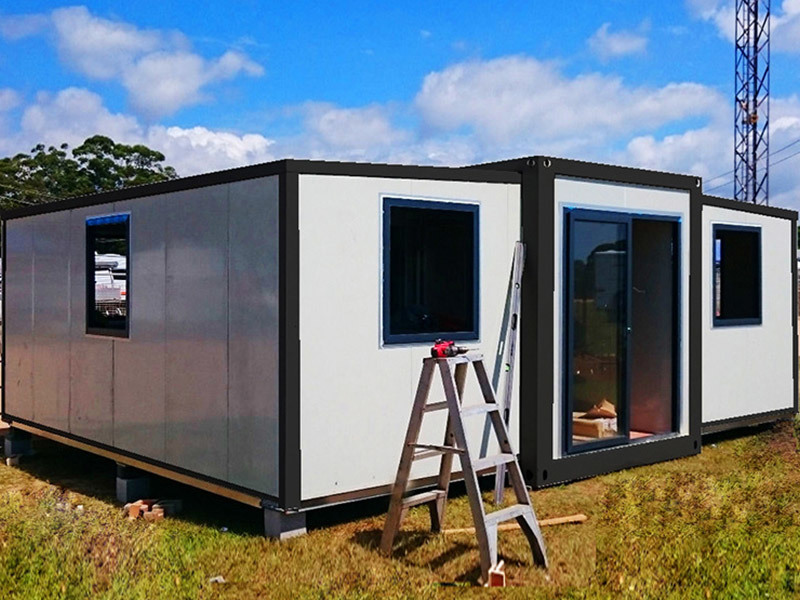
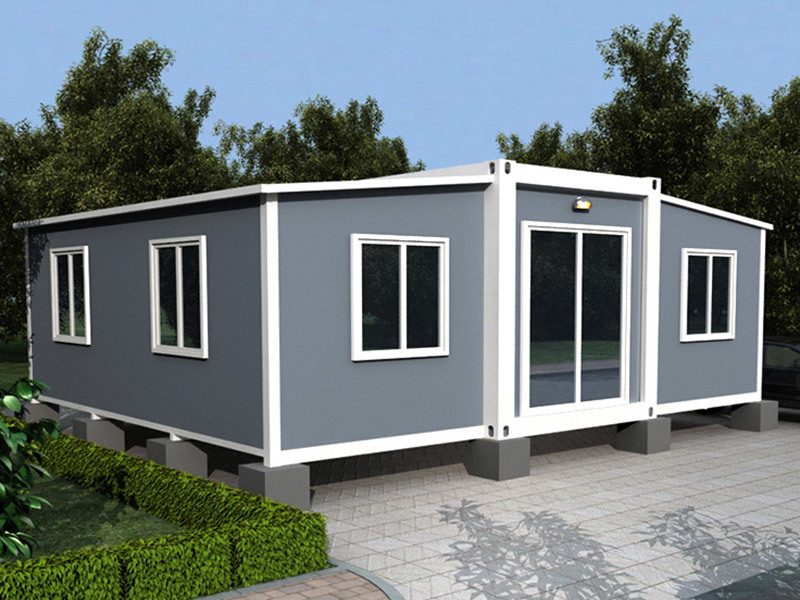
Modular homes are prefabricated structures built in sections (or modules) in a factory setting. These modules are then transported to the building site, where they are assembled into a complete home. The concept is gaining traction in **China**, especially as urbanization accelerates and the demand for housing rises.
2.2 The Construction Process Explained
The construction of Dwell modular homes typically involves a streamlined process. By utilizing advanced manufacturing techniques, builders can create high-quality homes more efficiently than traditional methods allow. The modular construction timeline drastically reduces the entire building process, often completing homes in just a few months.
3. Key Advantages of Dwell Modular Homes
3.1 Cost-Effectiveness and Affordability
One of the primary advantages of Dwell modular homes is their cost-effectiveness. Traditional home construction often leads to budget overruns due to delays and unforeseen expenses. In contrast, modular homes are built in a controlled environment, allowing for precise budgeting and lower overall costs. Homeowners can enjoy significant savings while still achieving high-quality design and finishes.
3.2 Energy Efficiency and Sustainability
Dwell modular homes are designed with energy efficiency in mind. Many of these homes incorporate insulation materials and energy-efficient windows, which can lead to reduced energy consumption. This commitment to sustainability aligns with global trends toward greener living and resonates particularly well with environmentally conscious consumers in **China**.
3.3 Customization and Design Flexibility
Another standout feature of Dwell modular homes is the level of customization they offer. Homebuyers can choose from various floor plans, finishes, and layouts to create a space that reflects their unique tastes and needs. This flexibility enables homeowners to design their ideal living environment without compromising on quality or functionality.
3.4 Speed of Construction
The speed at which modular homes can be constructed is a significant benefit. Because a substantial portion of the building process occurs off-site, modular homes can be ready for occupancy in a fraction of the time it takes to build a traditional home. This rapid construction timeframe is particularly advantageous in urban areas where housing demand is high.
4. The Growing Popularity of Modular Homes in China
4.1 Market Trends and Demand
The demand for modular homes in **China** is steadily increasing, driven by urbanization and a growing middle class seeking affordable housing options. As the cost of real estate rises, more individuals and families are turning to modular homes as a solution that meets their financial needs without sacrificing quality.
4.2 Government Support and Regulations
Chinese governmental policies are increasingly favorable toward modular construction. Support for sustainable building practices, coupled with initiatives to promote affordable housing, has created a conducive environment for the expansion of the modular home market. These regulations incentivize developers to invest in this innovative construction method.
5. Environmental Impact and Sustainability
5.1 Reducing Carbon Footprint
Dwell modular homes contribute to reducing the carbon footprint associated with traditional construction. The efficiency of the manufacturing process minimizes waste, and the focus on energy-efficient designs leads to lower emissions during the home's operational life. This aspect is particularly critical in the context of China's ambitious sustainability goals.
5.2 Sustainable Materials Used in Construction
The materials used in constructing Dwell modular homes often emphasize sustainability. From reclaimed wood to eco-friendly insulation, these homes are built with an eye toward reducing environmental impact. Homeowners can take pride in living in a space that aligns with their values and the global movement toward sustainable living.
6. Challenges Facing Modular Homes in China
6.1 Perceptions and Misconceptions
Despite the many benefits, modular homes face challenges related to public perception. Misconceptions about the quality and safety of prefabricated structures persist, leading some potential buyers to overlook this innovative housing option. Education and awareness initiatives are crucial to dispelling these myths and promoting the advantages of modular living.
6.2 Regulatory Hurdles
Navigating the regulatory landscape in China can be complex. While government support is increasing, certain local regulations may still pose challenges for modular home developers. Understanding and complying with these regulations is essential for ensuring successful project implementation and homeowner satisfaction.
7. Frequently Asked Questions (FAQs)
What are the primary benefits of Dwell modular homes?
Dwell modular homes offer numerous benefits, including cost savings, energy efficiency, design flexibility, and faster construction times.
How do Dwell modular homes compare to traditional homes?
Modular homes are typically more cost-effective and quicker to build than traditional homes while offering similar levels of quality and customization.
Are modular homes environmentally friendly?
Yes, modular homes are designed to be energy-efficient and often utilize sustainable materials, contributing to lower environmental impact.
What customization options are available for Dwell modular homes?
Homebuyers can select from various floor plans, finishes, and layouts, allowing them to create a personalized living space that suits their needs.
What challenges do modular homes face in the Chinese market?
Challenges include public misconceptions about quality, safety concerns, and navigating local regulatory requirements.
8. Conclusion
In conclusion, **Dwell modular homes** represent a forward-thinking solution to the housing challenges facing China today. With their blend of affordability, sustainability, and design flexibility, these homes are poised to redefine modern living for countless families. As urbanization continues and the demand for innovative housing solutions grows, the benefits of modular homes will become increasingly apparent, paving the way for a brighter, more sustainable future in housing.
Hot Tags:
Contact Us
E-mail:
Phone/WhatsApp:
Address:
No. 132 Renmin West Road, Fucheng County, Hengshui City, Hebei Province