Committed To Providing Customers With One-Stop Integrated Housing Solutions


Hebei Moerzhan Metal Products Co., Ltd.
Exploring the Benefits of Unfolding Modular Homes for Eco-Friendly Living
Oct 08,2024

Exploring the Benefits of Unfolding Modular Homes for Eco-Friendly Living
Table of Contents
- 1. Introduction to Unfolding Modular Homes
- 2. What Are Modular Homes?
- 3. Key Benefits of Unfolding Modular Homes
- 3.1 Sustainability and Reduced Carbon Footprint
- 3.2 Cost-Effectiveness in Construction
- 3.3 Energy Efficiency and Smart Living
- 3.4 Design Flexibility and Customization
- 4. Maximizing Living Space in Modular Homes
- 5. The Community Impact of Modular Homes
- 6. The Future of Housing: Modular Homes in Urban Planning
- 7. Frequently Asked Questions
- 8. Conclusion
1. Introduction to Unfolding Modular Homes
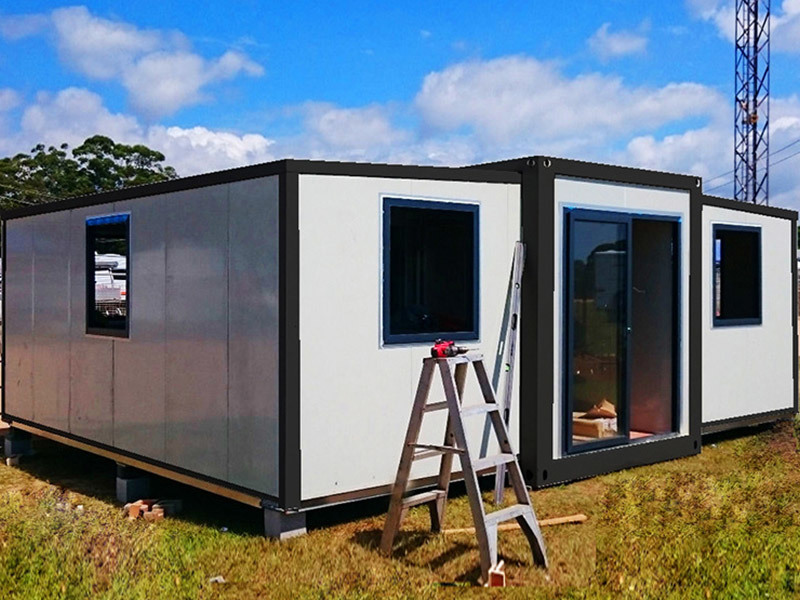
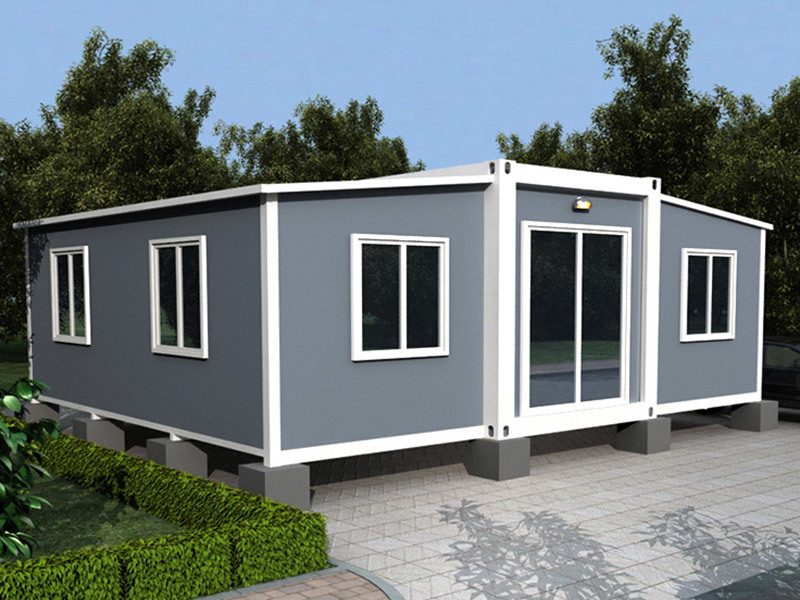
In an era where sustainability is paramount, the construction industry is witnessing a significant shift towards eco-friendly practices. **Unfolding modular homes** represent a revolutionary approach to housing that combines efficiency, adaptability, and environmental consciousness. These homes are designed to be built quickly and efficiently and can easily adapt to various living needs and preferences.
As we explore the benefits of unfolding modular homes, we will uncover how these innovative structures can foster a sustainable future while providing modern amenities and comfort.
2. What Are Modular Homes?
Modular homes are pre-fabricated structures built off-site and then transported to their final destination for assembly. Unlike traditional homes, which are constructed entirely on-site, modular homes are created in sections or modules. This **modular construction** process allows for quicker assembly, reduced waste, and greater control over building quality.
Each module is designed according to specific architectural plans and can be customized to suit the homeowner’s preferences. Once the modules are transported to the site and assembled, they create a cohesive living space that feels just like a traditional home.
3. Key Benefits of Unfolding Modular Homes
The benefits of unfolding modular homes extend beyond mere convenience. These structures provide numerous advantages that align with eco-friendly living principles.
3.1 Sustainability and Reduced Carbon Footprint
One of the most compelling benefits of modular homes is their sustainability. The **modular construction process** significantly reduces waste compared to traditional building methods. With materials used efficiently in a controlled factory environment, the carbon footprint associated with construction is minimized.
Additionally, many modular homes incorporate sustainable materials such as recycled steel, sustainably sourced wood, and energy-efficient insulation. This focus on sustainability not only benefits the environment but also leads to healthier living spaces for occupants.
3.2 Cost-Effectiveness in Construction
Building a home can be an expensive endeavor, but modular homes offer a cost-effective alternative. The efficient manufacturing process and reduced labor costs contribute to savings without sacrificing quality.
Moreover, the predictable construction timeline associated with modular homes means that buyers are less likely to encounter unexpected expenses. This financial predictability makes it easier for families to budget for their new eco-friendly homes.
3.3 Energy Efficiency and Smart Living
**Energy efficiency** is a hallmark of unfolding modular homes. Many designs prioritize insulation, energy-efficient windows, and advanced heating and cooling systems that significantly reduce energy consumption.
Some modular homes even incorporate solar panels and smart home technology, allowing homeowners to monitor and optimize their energy use. By adopting energy-efficient practices, owners can enjoy lower utility bills while minimizing their environmental impact.
3.4 Design Flexibility and Customization
With an array of designs available, modular homes offer incredible **flexibility and customization** options. Homeowners can select layouts, finishes, and sustainable features that align with their personal preferences and lifestyle.
Whether opting for a compact dwelling or a spacious family home, modular constructions can accommodate various needs without compromising on aesthetics or functionality. This adaptability is essential for meeting diverse housing demands in today's society.
4. Maximizing Living Space in Modular Homes
One of the advantages of modular homes is their ability to maximize living space effectively. The modular design allows for creative use of available square footage.
Innovative storage solutions, open floor plans, and multi-functional spaces enable homeowners to enjoy a comfortable living environment, regardless of size. As urban areas become denser, the efficient use of space in modular homes makes them an ideal choice for city living.
5. The Community Impact of Modular Homes
The rise of modular homes is not limited to individual benefits; they positively impact communities as well. By promoting sustainable construction practices, modular homes can contribute to the overall health of the environment.
Moreover, their cost-effectiveness makes them a viable option for affordable housing initiatives, helping to address homelessness and housing shortages in various regions. This potential for community enhancement is a significant aspect of the modular home movement.
6. The Future of Housing: Modular Homes in Urban Planning
As cities continue to grow and face challenges related to housing, modular homes offer a promising solution. Urban planners are beginning to recognize the potential of these structures to provide affordable, eco-friendly housing options.
By integrating modular homes into urban development, cities can create vibrant, sustainable communities that cater to diverse needs. This shift in perspective is likely to shape the future of housing and redefine how we think about residential living.
7. Frequently Asked Questions
What are the main advantages of modular homes?
Modular homes offer numerous advantages including sustainability, cost-effectiveness, energy efficiency, and design flexibility. They are also quicker to construct compared to traditional homes.
Are modular homes energy efficient?
Yes, many modular homes incorporate energy-efficient designs such as superior insulation, energy-efficient windows, and the option for renewable energy sources, reducing overall energy consumption.
How customizable are modular homes?
Modular homes are highly customizable, allowing homeowners to choose layouts, finishes, and sustainable features to create a living space that meets their unique needs and preferences.
What construction methods are used for modular homes?
Modular homes are constructed using a factory-based approach that allows for efficient manufacturing and quality control. The modules are built off-site and then transported to their final location for assembly.
How do modular homes impact the environment?
Modular homes significantly reduce construction waste and carbon footprints through efficient material use and sustainable building practices, contributing to a healthier environment.
8. Conclusion
Unfolding modular homes represent a transformative approach to eco-friendly living, offering numerous benefits that align with modern sustainability goals. From their cost-effectiveness and energy efficiency to their innovative designs and community impact, modular homes are paving the way for a more sustainable future in housing.
As we continue to confront environmental challenges and housing shortages, the adoption of modular homes could play a pivotal role in redefining the residential landscape. By prioritizing sustainability, customization, and community well-being, these homes not only provide comfortable living spaces but also contribute to a healthier planet for generations to come.
Hot Tags:
Contact Us
E-mail:
Phone/WhatsApp:
Address:
No. 132 Renmin West Road, Fucheng County, Hengshui City, Hebei Province