Committed To Providing Customers With One-Stop Integrated Housing Solutions


Hebei Moerzhan Metal Products Co., Ltd.
The Benefits of Choosing Passive Prefab Homes for Your Next Build
Sep 30,2024

The Benefits of Choosing Passive Prefab Homes for Your Next Build
In recent years, the construction industry has seen a significant shift towards sustainable building practices. One of the most innovative solutions gaining popularity is the passive prefab home. As we delve deeper into this topic, we will explore the numerous advantages that passive prefab homes offer, not only in terms of energy efficiency but also in sustainability, comfort, and cost-effectiveness. Whether you are a prospective homeowner or a builder looking to expand your portfolio, understanding the benefits of these homes is essential.
Table of Contents
- What Are Passive Prefab Homes?
- Key Benefits of Passive Prefab Homes
- Energy Efficiency in Passive Prefab Homes
- Sustainability and Environmental Impact
- Comfort and Living Quality
- Cost-Effectiveness and Long-Term Savings
- Design Flexibility and Customization
- The Future of Passive Prefab Homes
- FAQs
What Are Passive Prefab Homes?
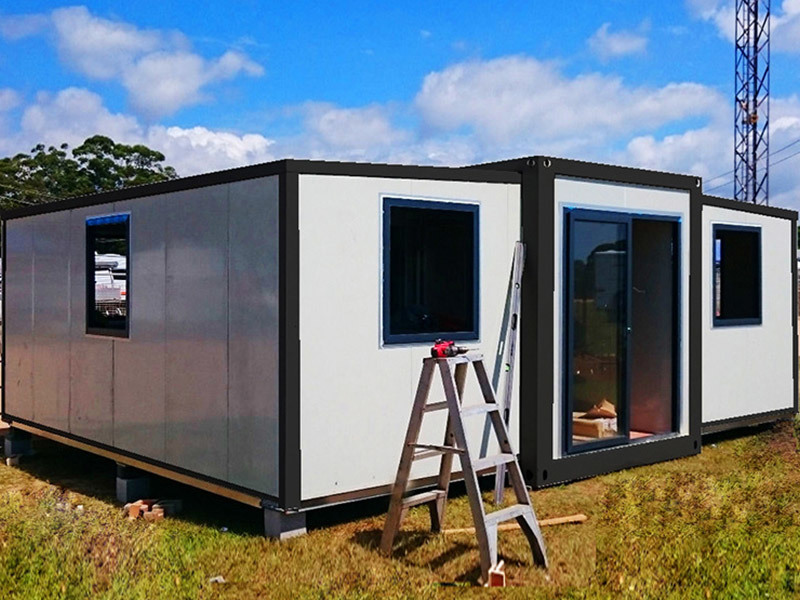
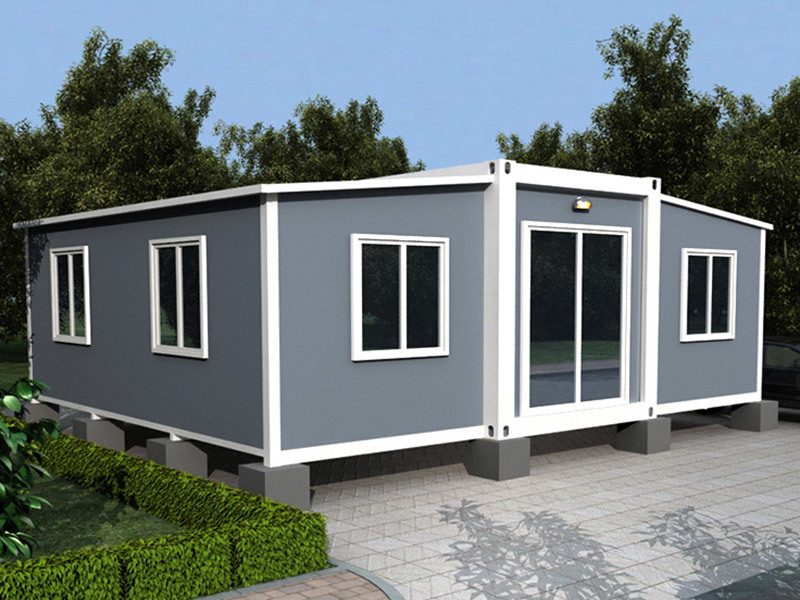
Passive prefab homes are pre-manufactured dwellings designed with energy efficiency and environmental sustainability at the forefront. By utilizing prefabricated components, these homes can be assembled quickly on-site, minimizing construction waste and reducing labor costs. The term "passive" refers to their design principles, which focus on maximizing thermal comfort and minimizing energy consumption without relying heavily on active heating or cooling systems.
Key Features of Passive Prefab Homes
Some defining features of passive prefab homes include:
- **Superior Insulation**: Thick walls and high-quality insulation materials reduce energy loss.
- **Air Tightness**: A well-sealed envelope prevents drafts and maintains consistent indoor temperatures.
- **Energy-Efficient Windows**: Triple-glazed windows contribute to insulation while allowing natural light.
- **Ventilation Systems**: Heat recovery ventilation systems ensure fresh air circulation without energy loss.
Key Benefits of Passive Prefab Homes
Choosing a passive prefab home comes with a myriad of advantages that make them an appealing option for many homeowners. Let's explore the key benefits in detail.
1. Enhanced Energy Efficiency
Passive prefab homes are designed to use significantly less energy than traditional homes. This is achieved through their unique construction methods and materials. By ensuring that the homes are airtight and well-insulated, the need for heating and cooling is greatly reduced. As a result, homeowners can enjoy lower energy bills and a reduced carbon footprint.
2. Reduced Environmental Impact
The construction of passive prefab homes has a much lower environmental impact compared to conventional building methods. The use of sustainable materials, energy-efficient processes, and minimal waste during construction contributes to a greener environment. Additionally, by consuming less energy once constructed, these homes help lessen the overall demand on energy resources.
3. Superior Comfort Levels
Passive prefab homes provide superior indoor comfort year-round. The combination of effective insulation, strategic window placement, and effective ventilation systems ensures that temperatures remain stable, avoiding the extremes often found in conventional homes. Homeowners can enjoy a comfortable living atmosphere without the need for constant adjustments to heating or cooling systems.
Energy Efficiency in Passive Prefab Homes
The energy efficiency of passive prefab homes is one of their most impressive attributes. Several factors contribute to this efficiency:
1. Passive Solar Design
Passive solar design principles are employed to maximize natural light and heat from the sun. By strategically placing windows and utilizing thermal mass, passive prefab homes are able to capture sunlight during the day and retain heat, minimizing the need for artificial lighting and heating.
2. High-Performance Insulation
The insulation materials used in passive prefab homes are specifically chosen for their effectiveness in minimizing heat transfer. This ensures that homes stay warm in the winter and cool in the summer, making them incredibly energy-efficient.
3. Efficient Heating and Cooling Systems
Many passive prefab homes incorporate energy-efficient heating and cooling systems, such as heat pumps or radiant floor heating. These systems work in conjunction with the home’s design to maintain comfortable indoor temperatures while using significantly less energy than traditional systems.
Sustainability and Environmental Impact
In today’s world, sustainability is more critical than ever. Passive prefab homes offer numerous sustainable features that contribute to an eco-friendly lifestyle.
1. Use of Sustainable Materials
Many passive prefab homes utilize eco-friendly materials, such as bamboo, recycled steel, and sustainably sourced wood. These materials not only have a lower environmental impact but also contribute to the overall sustainability of the home.
2. Reduced Waste During Construction
Because passive prefab homes are manufactured off-site, they generate significantly less waste than traditional construction methods. This not only helps to keep landfills from overflowing but also conserves resources.
3. Water Conservation
Many passive prefab homes incorporate water-saving features like rainwater harvesting systems and low-flow fixtures, further reducing their environmental footprint. Homeowners can enjoy a sustainable lifestyle while conserving precious water resources.
Comfort and Living Quality
Passive prefab homes are designed with comfort in mind, ensuring that residents enjoy a high quality of life.
1. Excellent Indoor Air Quality
With advanced ventilation systems, passive prefab homes maintain excellent indoor air quality. These systems filter out pollutants and allergens, providing a healthier living environment for families.
2. Noise Reduction
The materials and construction methods used in passive prefab homes also contribute to superior noise reduction. This ensures that residents can enjoy peace and quiet, even in urban settings.
3. Aesthetic Appeal
Passive prefab homes come in various designs, allowing homeowners to choose a style that aligns with their preferences. From modern aesthetics to traditional finishes, there is a passive prefab solution for everyone.
Cost-Effectiveness and Long-Term Savings
While the initial investment in a passive prefab home may be higher than that of a conventional home, the long-term savings can be significant.
1. Lower Utility Bills
Due to their energy efficiency, passive prefab homes result in lower utility bills, allowing homeowners to save money over time. This can offset the initial costs and make the investment worthwhile.
2. Increased Property Value
As sustainability becomes a priority for many homebuyers, passive prefab homes are likely to appreciate in value. Their eco-friendly features can make them more desirable in the market, leading to a higher resale value.
3. Government Incentives
Many governments offer incentives for building energy-efficient homes, which can help offset the costs of purchasing passive prefab homes. Homeowners should explore available grants, tax credits, and rebates that can make their investment more financially viable.
Design Flexibility and Customization
Passive prefab homes can be customized to meet the unique needs and preferences of homeowners.
1. Modular Design
Many passive prefab homes utilize modular designs, which allow for easy expansion or alteration. This flexibility means that homeowners can adapt their homes as their needs change, without major renovations.
2. Personalized Aesthetics
Homeowners can choose from a variety of finishes, layouts, and features, ensuring that their passive prefab home reflects their personal style. This customization adds value and satisfaction to the living space.
3. Community-Oriented Designs
Some builders of passive prefab homes focus on community-oriented designs, allowing for the creation of sustainable neighborhoods. These communities often feature shared green spaces, walking paths, and communal gardens that promote a sense of belonging among residents.
The Future of Passive Prefab Homes
The future of passive prefab homes looks promising as the demand for sustainable living continues to rise. Technological advancements and innovative materials will likely enhance the energy efficiency and sustainability of these homes even further. Additionally, as more builders become familiar with passive designs, the availability of these homes will increase, making them a viable option for a broader audience.
1. Evolution in Technology
Emerging technologies, such as smart home systems and advanced energy management solutions, will further streamline passive prefab homes. Homeowners will benefit from enhanced control over their energy usage, leading to even greater savings.
2. Expanding Market**
As awareness of climate change and environmental issues increases, the market for passive prefab homes is expected to grow. More builders are likely to adopt these practices, creating a wider variety of options for prospective homeowners.
3. Integration of Renewable Energy Sources
Integrating renewable energy sources, such as solar panels or wind turbines, will be a focus for future passive prefab homes. This combination will maximize energy independence and sustainability, providing even greater benefits for homeowners.
FAQs
1. What is the difference between passive and active solar homes?
Passive solar homes rely on design and natural energy sources for heating and cooling, while active solar homes use mechanical systems to capture and distribute solar energy.
2. Are passive prefab homes more expensive than traditional homes?
While the initial cost may be higher, the long-term savings on energy bills and potential government incentives often make passive prefab homes more cost-effective in the long run.
3. Can I customize the design of a passive prefab home?
Yes, many builders offer customizable designs that allow homeowners to choose layouts, finishes, and features that suit their preferences.
4. How quickly can a passive prefab home be built?
Passive prefab homes typically have shorter construction times compared to traditional homes due to their pre-manufactured components, often allowing for completion within a few months.
5. Do passive prefab homes require special maintenance?
Maintenance needs are similar to those of traditional homes, but the energy-efficient systems may require periodic checks to ensure optimal performance.
Conclusion
Choosing a passive prefab home for your next build is a decision that combines **sustainability**, **comfort**, and **cost-effectiveness**. With their energy-efficient designs, reduced environmental impact, and customizable features, passive prefab homes provide numerous benefits for homeowners looking to invest in a better future. As the market continues to evolve, these homes are well-positioned to meet the demands of modern living while contributing to a more sustainable world. By embracing passive prefab technology, you are not just investing in a house; you are investing in a lifestyle that prioritizes comfort, cost savings, and environmental responsibility.
Hot Tags:
PREVIOUS:
Contact Us
E-mail:
Phone/WhatsApp:
Address:
No. 132 Renmin West Road, Fucheng County, Hengshui City, Hebei Province