Committed To Providing Customers With One-Stop Integrated Housing Solutions


Hebei Moerzhan Metal Products Co., Ltd.
Revolutionizing Construction: How Unfolding Modular Homes Are Changing the Game
Sep 28,2024

Revolutionizing Construction: How Unfolding Modular Homes Are Changing the Game
Table of Contents
- 1. Introduction to Unfolding Modular Homes
- 2. What Are Unfolding Modular Homes?
- 3. Benefits of Unfolding Modular Homes
- 3.1 Cost Efficiency in Construction
- 3.2 Time-Saving Advantages
- 3.3 Sustainability and Environmental Impact
- 4. Design Innovations in Modular Homes
- 5. Real-World Examples of Unfolding Modular Homes
- 6. Challenges and Solutions in Modular Construction
- 7. The Future of Modular Homes in Construction
- 8. Conclusion
- 9. Frequently Asked Questions
1. Introduction to Unfolding Modular Homes
The construction industry is undergoing a seismic shift, driven by the need for efficiency, sustainability, and innovative living solutions. Among these advancements, **unfolding modular homes** stand out as a game changer. These homes, crafted with precision and designed for rapid deployment, are transforming how we think about building and living. This article delves into the various facets of unfolding modular homes, exploring their benefits, design innovations, real-world applications, and future prospects.
2. What Are Unfolding Modular Homes?
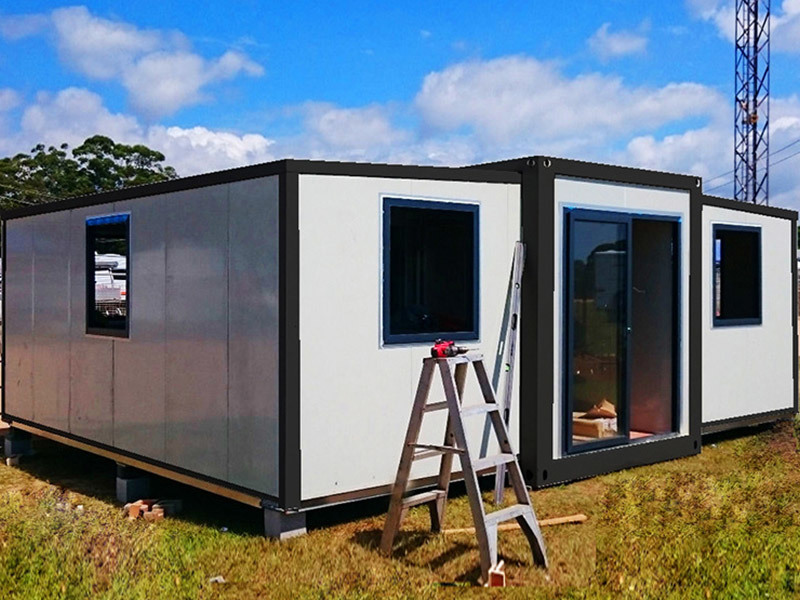
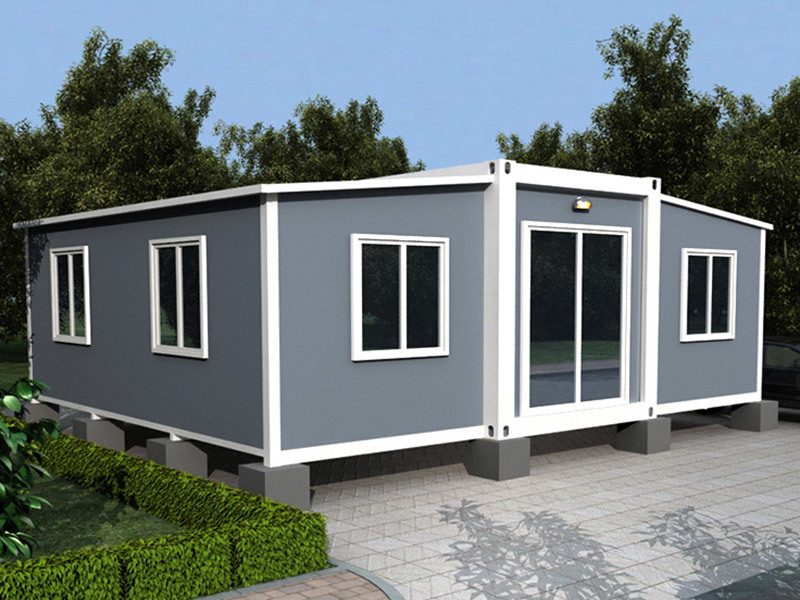
Unfolding modular homes are prefabricated structures that are manufactured off-site and then transported to their intended location. These homes can be assembled quickly and efficiently, often featuring innovative designs that allow them to unfold and expand into livable spaces. Unlike traditional homes, which often require extensive time and labor, modular homes can be erected in a fraction of the time, offering a practical solution to modern housing challenges.
Understanding Modular Construction
Modular construction involves segmenting a building into manageable modules that can be constructed simultaneously in a factory environment. These modules are then transported to the site for assembly. This method not only speeds up the construction process but also reduces waste and enhances quality control.
3. Benefits of Unfolding Modular Homes
Unfolding modular homes offer numerous advantages that make them an attractive option for potential homeowners and builders alike.
3.1 Cost Efficiency in Construction
One of the primary benefits of unfolding modular homes is their **cost efficiency**. Traditional construction methods often require significant labor and time, inflating overall costs. In contrast, modular homes benefit from economies of scale and reduced labor costs, leading to more affordable housing options. Moreover, the use of high-quality materials in a controlled environment minimizes waste, contributing to cost savings.
3.2 Time-Saving Advantages
The speed at which modular homes can be constructed is remarkable. While traditional buildings may take months or even years to complete, modular homes can often be ready for occupancy within weeks. This rapid construction timeline meets the urgent demand for housing, especially in areas facing housing shortages or natural disasters.
3.3 Sustainability and Environmental Impact
Sustainability is at the forefront of the contemporary construction movement, and unfolding modular homes excel in this area. By utilizing eco-friendly materials and efficient manufacturing processes, these homes leave a smaller carbon footprint than their traditional counterparts. Additionally, the reduced waste generated during construction significantly benefits the environment, making modular homes a greener choice.
4. Design Innovations in Modular Homes
The design possibilities for unfolding modular homes are virtually limitless. Architects and designers are embracing creativity, leading to unique and functional living spaces. Modular homes can be customized to meet the specific needs of homeowners, offering various layouts, sizes, and finishes.
Adaptive and Versatile Spaces
Unfolding modular homes can adapt to their environment and the needs of their inhabitants. From tiny homes to family-sized dwellings, these structures can be designed to maximize space and functionality. Features such as expandable rooms and multi-purpose areas enhance the livability of modular homes.
Integration of Smart Technology
As technology advances, so do the features of modular homes. Many new models are being equipped with smart home technology, allowing homeowners to control lighting, heating, and security systems remotely. This integration not only enhances comfort but also contributes to energy efficiency.
5. Real-World Examples of Unfolding Modular Homes
Across the globe, unfolding modular homes are making a significant impact. Here are some noteworthy examples:
Project in the Netherlands: Wikkelhouse
Wikkelhouse is an innovative modular home project in the Netherlands that utilizes cardboard as its primary construction material. The unique design allows for easy expansion and customization, making it an attractive option for those seeking sustainable living solutions.
Canada's Horizon Modular Home
In Canada, the Horizon Modular Home exemplifies how modern design and technology come together to create an energy-efficient living space. This home features solar panels, rainwater harvesting systems, and sustainable materials, highlighting the potential for eco-friendly modular construction.
6. Challenges and Solutions in Modular Construction
While unfolding modular homes offer numerous benefits, they are not without challenges. Understanding and addressing these issues is essential for the successful adoption of modular construction methods.
Regulatory Hurdles
Regulations surrounding building codes can pose significant challenges for modular construction. Many jurisdictions have stringent codes that can delay or complicate the approval process. Advocating for policy changes and increased awareness can help streamline this process.
Public Perception
There is often a misconception that modular homes are of lower quality compared to traditional homes. Awareness campaigns and community engagement can help alter public perception, showcasing the quality, durability, and design versatility of modular homes.
7. The Future of Modular Homes in Construction
As technology continues to evolve, the future of unfolding modular homes looks promising. Innovations such as 3D printing and advanced manufacturing techniques are likely to drive further advancements in this field. Additionally, as urbanization increases, modular homes can provide viable solutions to housing shortages, particularly in densely populated areas.
8. Conclusion
Unfolding modular homes are not just a trend; they represent a fundamental shift in the construction industry. With their **cost efficiency**, **time-saving advantages**, and **environmental benefits**, these homes are changing how we approach housing. As we continue to innovate and embrace new technologies, the potential for modular homes is limitless, paving the way for a more sustainable future in construction.
9. Frequently Asked Questions
What are the main advantages of modular homes?
The primary advantages of modular homes include cost efficiency, reduced construction time, sustainability, and design versatility.
Are modular homes customizable?
Yes, many modular homes are highly customizable, with various designs, layouts, and finishes available to suit individual homeowner preferences.
Do modular homes appreciate in value?
Yes, modular homes can appreciate in value similarly to traditional homes, provided they are built with quality materials and maintained properly.
How long does it take to build a modular home?
Modular homes can typically be completed within weeks, depending on the complexity of the design and local regulations.
What materials are used in modular home construction?
Modular homes can be constructed using a wide range of materials, including wood, steel, and eco-friendly options like recycled materials.
Through this exploration of unfolding modular homes, it is clear that these innovative structures are not just reshaping the construction industry but also redefining the future of living.
Hot Tags:
Contact Us
E-mail:
Phone/WhatsApp:
Address:
No. 132 Renmin West Road, Fucheng County, Hengshui City, Hebei Province