Committed To Providing Customers With One-Stop Integrated Housing Solutions


Hebei Moerzhan Metal Products Co., Ltd.
Collapsible Tiny Houses: Mastering the Art of Efficient Space Utilization
Sep 14,2024

Collapsible Tiny Houses: Mastering the Art of Efficient Space Utilization
Introduction to Collapsible Tiny Houses
In recent years, the concept of tiny living has gained immense popularity. As urbanization accelerates and the demand for affordable housing grows, **collapsible tiny houses** offer a unique and flexible solution to modern living challenges. These innovative structures not only promote sustainable living but also allow individuals to maximize their living space efficiently.
The Benefits of Collapsible Tiny Houses
Collapsible tiny houses come with a plethora of advantages that make them an attractive option for many. Here, we break down some of the key benefits:
1. Space Efficiency
One of the most significant advantages of collapsible tiny houses is their ability to utilize limited space effectively. With smart design elements, these homes can provide all the necessary amenities in a fraction of the traditional footprint. By incorporating multifunctional furniture and flexible layouts, residents can enjoy a comfortable living experience without feeling cramped.
2. Cost-Effectiveness
Building and maintaining a traditional home can be a financial burden. Collapsible tiny houses, on the other hand, are often more affordable to construct and maintain. By reducing the overall square footage and utilizing sustainable materials, homeowners can save significantly on both construction costs and ongoing expenses.
3. Eco-Friendly Living
As environmental concerns continue to rise, collapsible tiny houses stand out as a sustainable living option. Many designs prioritize energy efficiency, using eco-friendly materials and incorporating renewable energy sources. This approach not only reduces the carbon footprint but also promotes a healthier lifestyle.
4. Portability
For those who value mobility, collapsible tiny houses provide the perfect solution. These homes can be easily transported to different locations, allowing for a lifestyle that embraces travel and adventure. Whether you want to relocate for work or simply experience new surroundings, a collapsible tiny house can accompany you on your journey.
Understanding the Structure of Collapsible Tiny Houses
To fully appreciate the potential of collapsible tiny houses, we must explore their structural elements. Understanding the design and materials used can help us recognize their advantages further.
1. Innovative Design Concepts
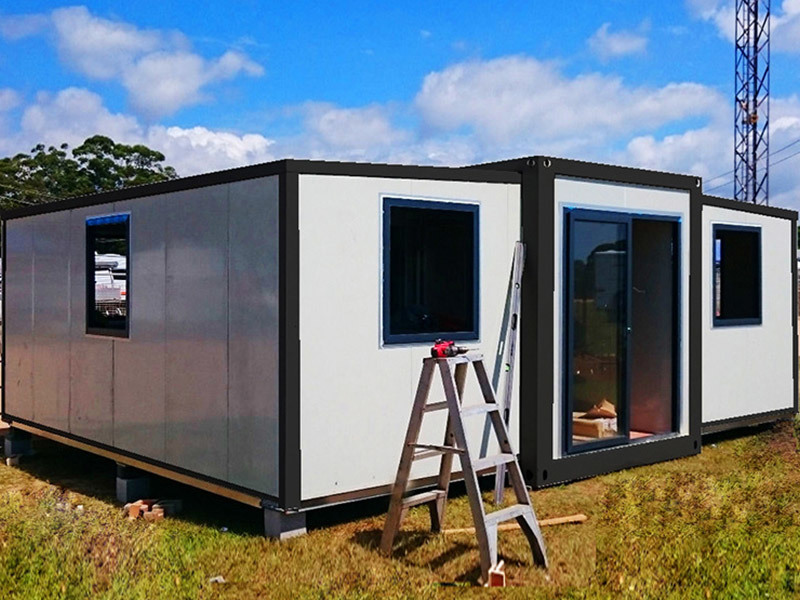
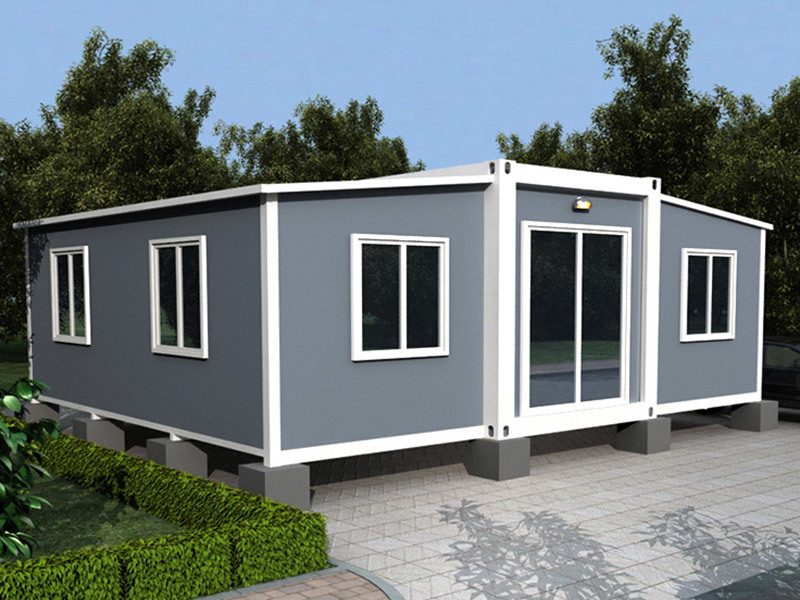
Collapsible tiny houses are often characterized by their unique architectural designs. Many incorporate **modular components** that can be easily assembled or disassembled, allowing for efficient storage and transport. Creative architectural solutions, such as pop-up roofs or expandable walls, further enhance their functionality.
2. Materials That Enhance Durability and Flexibility
The choice of materials plays a crucial role in the durability of collapsible tiny houses. Lightweight yet sturdy materials, such as bamboo, recycled steel, or composite wood, are commonly used. These materials not only reduce the overall weight of the structure but also contribute to its eco-friendliness.
3. Smart Home Technology Integration
Modern collapsible tiny houses often feature smart home technology to enhance convenience and efficiency. From automated lighting systems to temperature controls, these technologies allow homeowners to manage their living environment seamlessly.
Maximizing Limited Space: Innovative Ideas and Solutions
When it comes to living in a compact environment, creativity is key. Here are some innovative ideas and solutions for maximizing limited space in collapsible tiny houses.
1. Multifunctional Furniture
Investing in **multifunctional furniture** is essential for optimizing space in tiny homes. Consider sofas that convert into beds, tables that expand, and storage solutions that double as seating. This versatility allows for seamless transitions between living, sleeping, and dining areas.
2. Vertical Storage Solutions
Utilizing vertical space can significantly increase storage options. Wall-mounted shelves, hanging organizers, and overhead compartments are excellent ways to keep items organized and out of the way. This approach not only declutters the floor space but also creates a more open and inviting atmosphere.
3. Outdoor Living Spaces
Expanding your living area outdoors can make a tiny house feel more spacious. Decks, patios, or balconies can serve as additional leisure spaces. Incorporating outdoor furniture and garden features allows for a seamless flow between indoor and outdoor living.
4. Efficient Kitchen Design
Kitchens in tiny houses must be designed for efficiency. Using compact appliances, such as combination microwave-ovens and small refrigerators, can save space. Additionally, incorporating pull-out shelves and hidden storage can maximize functionality without sacrificing style.
5. Smart Layout Planning
The layout of a collapsible tiny house should promote flow and functionality. Open floor plans can create an illusion of space, while strategically placed walls can define different areas without closing them off. Careful planning ensures that every square inch serves a purpose.
Collapsible Tiny House Designs That Inspire
Exploring various designs can provide valuable inspiration for those considering a collapsible tiny house. Here are some notable examples:
1. The Compact Cube
This minimalist design emphasizes simplicity and functionality. The compact cube features a modular structure that can be easily expanded or collapsed. Its clean lines and open spaces create a modern aesthetic that appeals to many.
2. The Pop-Up Home
The pop-up home utilizes innovative technology to expand its footprint when in use. With walls that extend and a roof that rises, this design maximizes living space while maintaining a compact profile during transport.
3. The Eco-Friendly Cabin
Made from sustainable materials, the eco-friendly cabin showcases how collapsible tiny houses can harmonize with nature. Featuring large windows and a green roof, this design encourages outdoor living while minimizing environmental impact.
Legal Considerations for Collapsible Tiny Houses
Before embarking on the journey of building or purchasing a collapsible tiny house, it’s crucial to understand the legal landscape surrounding these structures.
1. Zoning Laws and Regulations
Zoning laws can vary significantly by location, impacting where collapsible tiny houses can be placed. It's essential to research local regulations to ensure compliance and avoid potential legal issues.
2. Building Codes
Building codes dictate the safety and structural integrity of homes, including tiny houses. Familiarizing yourself with these codes can help you design and construct a collapsible tiny house that meets all necessary standards.
3. Permits and Approvals
Obtaining the required permits is crucial when constructing a collapsible tiny house. This process can involve inspections and approvals that ensure the house meets local building codes and regulations.
FAQs About Collapsible Tiny Houses
Here are some common questions potential owners may have about collapsible tiny houses:
1. How much do collapsible tiny houses cost?
The cost of collapsible tiny houses can vary significantly based on design, materials, and size. On average, they can range from $10,000 to $50,000, making them a financially viable option for many.
2. Are collapsible tiny houses suitable for full-time living?
Yes, many people choose to live in collapsible tiny houses year-round. With proper design and amenities, these homes can be just as comfortable as traditional houses.
3. How do I maintain a collapsible tiny house?
Maintenance typically involves regular inspections of the structure, checking for any wear and tear, and keeping mechanical systems in good working order. Sustainable materials often require less upkeep, which can simplify the process.
4. Can I customize my collapsible tiny house?
Absolutely! Many builders offer customization options to fit individual needs and preferences. From layout changes to aesthetic modifications, the design possibilities are extensive.
5. What are the best locations for placing a collapsible tiny house?
Ideal locations include areas with lenient zoning laws, proximity to natural resources, and access to amenities. Many choose to place their tiny houses near parks, lakes, or in rural settings to embrace the outdoors.
Conclusion
Collapsible tiny houses represent a forward-thinking approach to modern living, allowing individuals to maximize limited space without sacrificing comfort or style. By embracing innovative designs, multifunctional furniture, and sustainable practices, we can transform our living experiences and create a more sustainable future. Whether you're considering downsizing, seeking adventure, or simply exploring efficient living options, collapsible tiny houses offer an adaptable solution that meets the demands of contemporary life. As we continue to redefine what it means to live comfortably, these tiny homes will undoubtedly play a significant role in shaping our living spaces for years to come.
Hot Tags:
Contact Us
E-mail:
Phone/WhatsApp:
Address:
No. 132 Renmin West Road, Fucheng County, Hengshui City, Hebei Province