Committed To Providing Customers With One-Stop Integrated Housing Solutions


Hebei Moerzhan Metal Products Co., Ltd.
The Rising Popularity of Prefab Foldable Homes: A Sustainable Future in Housing
Sep 10,2024

The Rising Popularity of Prefab Foldable Homes
Table of Contents
- Introduction to Prefab Foldable Homes
- What Are Prefab Foldable Homes?
- Advantages of Prefab Foldable Homes
- Design and Customization Options
- The Future of Prefab Housing
- Challenges to Consider
- Case Studies of Successful Prefab Foldable Homes
- Frequently Asked Questions (FAQs)
- Conclusion
Introduction to Prefab Foldable Homes
In recent years, **prefab foldable homes** have emerged as a revolutionary solution to the pressing demands of housing. With rapid urbanization, rising land costs, and the increasing need for sustainable living options, these homes present an innovative alternative. Prefab foldable homes are not just about convenience; they are redefining what it means to build a home in the 21st century.
What Are Prefab Foldable Homes?
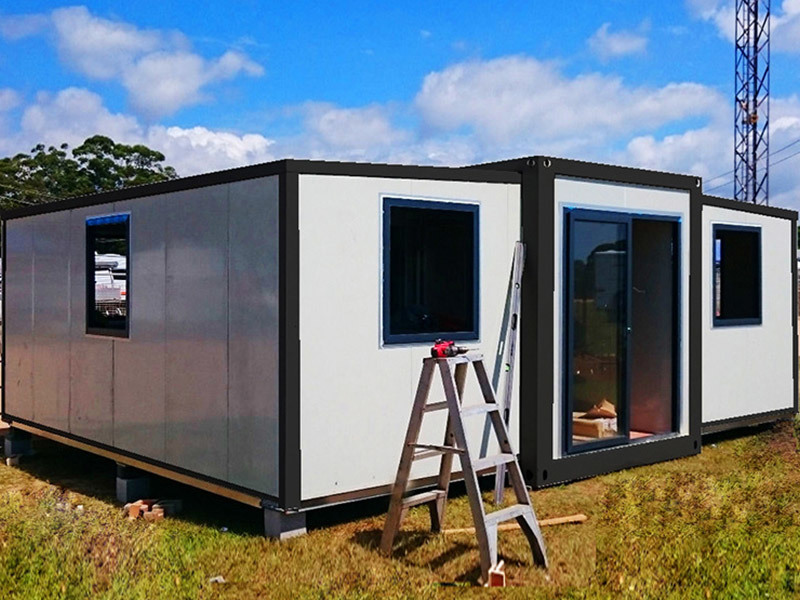
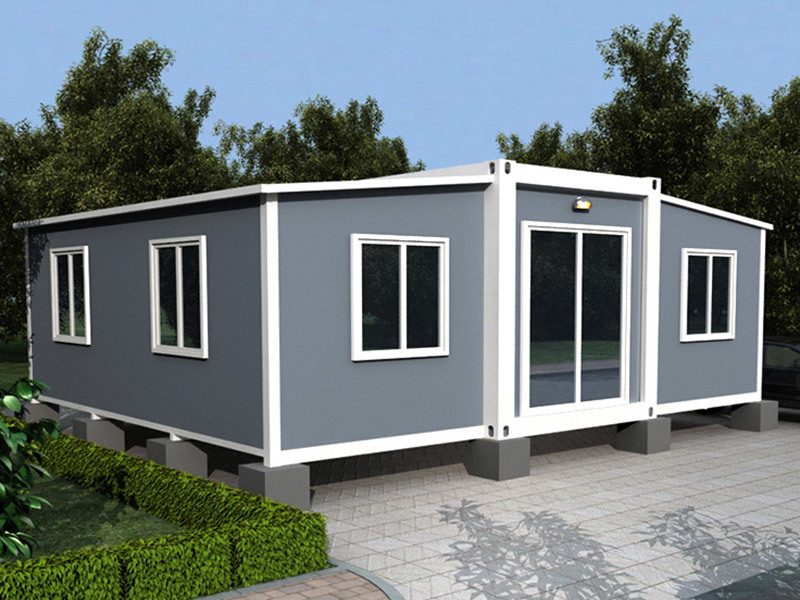
Prefab foldable homes, or prefabricated homes, are structures that are manufactured off-site and then assembled on location. **Foldable** refers to their unique design, allowing them to be transported easily and set up quickly. This modern approach to construction not only saves time but also significantly reduces waste and environmental impact.
The core concept revolves around efficiency, both in terms of materials and labor. These homes come in various designs and layouts, catering to diverse preferences and needs, making them an attractive option for many individuals and families.
Advantages of Prefab Foldable Homes
Cost-Effectiveness
One of the most compelling advantages of **prefab foldable homes** is their **cost-effectiveness**. Traditional construction involves numerous expenses, including labor, materials, and time. In contrast, prefab homes typically require fewer resources and can be constructed in a fraction of the time, leading to lower overall costs. This affordability makes homeownership more accessible to a broader range of people.
Sustainability and Environmental Impact
Sustainability is at the forefront of many people's minds today, and prefab foldable homes align perfectly with this concern. These homes are often built using eco-friendly materials, and their construction process generates significantly less waste compared to conventional building methods. Moreover, they can be designed to incorporate energy-efficient features, such as solar panels, green roofs, and high-quality insulation, further reducing their carbon footprint.
Time Efficiency in Construction
Time is a precious commodity, and **time efficiency** in construction is a major selling point for prefab homes. Traditional building projects can take months or even years to complete. However, due to the streamlined manufacturing processes and quicker assembly times, prefab foldable homes can often be ready for occupancy within weeks. This rapid turnaround can be particularly beneficial in addressing urgent housing needs, such as during natural disasters or housing crises.
Design and Customization Options
One might assume that prefab homes lack uniqueness, but that could not be further from the truth. The **design and customization options** available for prefab foldable homes are vast. From choosing layouts to selecting finishes, homeowners can personalize their space to fit their lifestyle. Innovative designs that maximize space and functionality are increasingly common, ensuring these homes are not only practical but also aesthetically pleasing.
Architects and designers are continually pushing the boundaries of what is possible, leading to a surge in creative and modern designs that appeal to a variety of tastes.
The Future of Prefab Housing
As cities grow and the demand for affordable housing rises, the **future of prefab housing** looks promising. Advances in technology, such as 3D printing and smart home integration, are likely to enhance the capabilities of prefab homes. These innovations will further streamline the construction process and improve energy efficiency, making prefab homes even more appealing.
It is also worth noting that as societal attitudes shift towards sustainability and minimalism, more people are likely to embrace the concept of prefab foldable homes. The idea of a compact, efficient living space that is easy to maintain resonates well with the younger generations, who seek both functionality and style.
Challenges to Consider
While the advantages of prefab foldable homes are significant, there are also challenges worth considering. Some common concerns include:
- **Zoning and Regulations**: Local building codes and zoning laws may pose obstacles, as not all areas are equipped to accommodate prefab homes.
- **Financing Options**: Traditional mortgage options may not always be available for prefab homes, potentially complicating the purchasing process.
- **Resale Value**: The resale market for prefab homes is still developing, leading to uncertainty about long-term value.
Addressing these challenges will be crucial for the continued growth of the prefab home market.
Case Studies of Successful Prefab Foldable Homes
Several successful case studies illustrate the potential of prefab foldable homes.
- **The KODA by Kodasema**: This compact, foldable home is designed for easy transportation and installation. It incorporates sustainable materials and smart technology, making it a model for future prefab developments.
- **M.A.D.I. (Modular Autonomous Dwelling Interconnected)**: This conceptual home can be assembled in just a few hours. Designed by Italian architect Francesco M. Caracciolo, M.A.D.I. aims to provide innovative housing solutions for various settings, including remote areas.
These examples highlight the versatility and potential of prefab homes in addressing diverse housing needs.
Frequently Asked Questions (FAQs)
1. What is the average cost of a prefab foldable home?
The average cost of a prefab foldable home varies significantly based on size, location, and customization options, generally ranging from $50,000 to over $200,000.
2. How long does it take to construct a prefab foldable home?
Prefab foldable homes can typically be constructed and ready for occupancy within a few weeks, significantly faster than traditional homes.
3. Are prefab foldable homes energy-efficient?
Yes, many prefab homes are designed with energy efficiency in mind, incorporating features like high-quality insulation and the option for solar panels.
4. Can I finance a prefab foldable home?
Financing options for prefab homes can vary. Some lenders offer specific loans for modular homes, while others may treat them like traditional homes.
5. Do prefab foldable homes hold their value?
The resale value of prefab homes can vary by location and market conditions, but as the popularity of these homes increases, their market value is expected to stabilize.
Conclusion
The **rising popularity of prefab foldable homes** signifies a transformative shift in the housing industry. These homes offer a unique combination of affordability, sustainability, and design flexibility, addressing the growing demand for efficient living solutions. As technology advances and societal attitudes evolve, prefab homes are poised to play a critical role in shaping the future of housing. Embracing this innovative approach not only offers practical benefits but also paves the way for a more sustainable and accessible living environment for all.
Hot Tags:
PREVIOUS:
Contact Us
E-mail:
Phone/WhatsApp:
Address:
No. 132 Renmin West Road, Fucheng County, Hengshui City, Hebei Province