Committed To Providing Customers With One-Stop Integrated Housing Solutions


Hebei Moerzhan Metal Products Co., Ltd.
The Future of Sustainable Living: Unfolding Modular Homes
Sep 08,2024

The Future of Sustainable Living: Unfolding Modular Homes
Table of Contents
- 1. Introduction to Modular Homes
- 2. What Are Modular Homes?
- 3. Benefits of Modular Homes for Sustainable Living
- 4. Eco-Friendly Materials Used in Modular Construction
- 5. Innovative Modular Home Designs
- 6. The Role of Modular Homes in Sustainable Development
- 7. Cost-Effectiveness of Modular Homes
- 8. The Future of Modular Homes and Sustainable Living
- 9. Frequently Asked Questions
- 10. Conclusion
1. Introduction to Modular Homes
The increasing awareness of environmental issues and the need for sustainable living solutions have led to the rise of **modular homes** as a viable option. These homes not only promise eco-friendly living but also offer great flexibility, affordability, and design innovation. As we delve into this topic, we will explore how modular homes unfold new possibilities in sustainable living.
2. What Are Modular Homes?
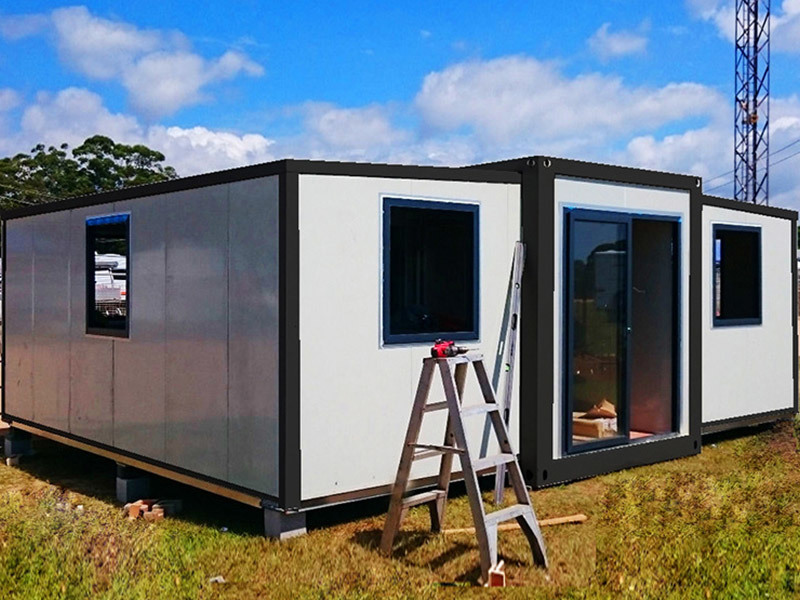
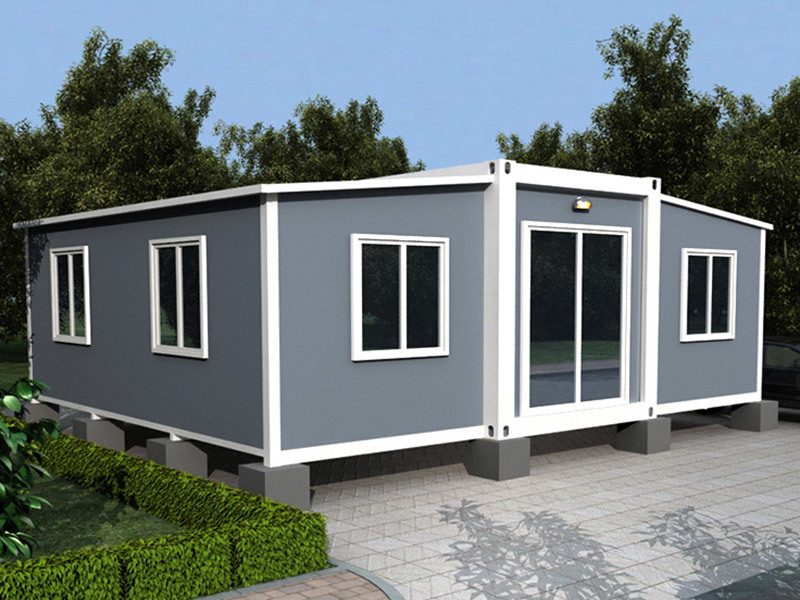
**Modular homes** are pre-fabricated structures built off-site in sections or modules and then assembled on a designated foundation. Unlike traditional homes, which are constructed entirely on-site, modular homes are designed in a factory setting, minimizing waste and enhancing quality control. Each module can be customized, allowing for unique designs that cater to individual preferences.
2.1 The Construction Process
The construction process for modular homes typically involves several stages:
1. **Design and Planning**: Homeowners collaborate with architects to create blueprints that meet their needs.
2. **Factory Construction**: Modules are fabricated in a controlled environment, reducing the impact of weather-related delays.
3. **Transport and Assembly**: Once completed, the modules are transported to the site and assembled, often taking only a few weeks from start to finish.
3. Benefits of Modular Homes for Sustainable Living
Modular homes present numerous benefits that align with the principles of sustainable living.
3.1 Energy Efficiency
Modular homes are designed to be energy-efficient. They often include better insulation and energy-efficient windows compared to traditional homes, significantly reducing energy consumption over time.
3.2 Reduced Waste
The factory setting allows for precise material calculations, which drastically cuts down on construction waste. Any leftover materials can be reused in future projects.
3.3 Shorter Build Time
The streamlined construction process means that modular homes can be built in a fraction of the time it takes to build a conventional home. This efficiency reduces labor costs and the carbon footprint associated with prolonged construction.
3.4 Affordability
With lower construction costs and energy savings, **modular homes** are often more affordable for buyers. This accessibility allows more individuals to invest in sustainable living solutions.
4. Eco-Friendly Materials Used in Modular Construction
Sustainability in modular homes extends beyond their design and construction processes; it also encompasses the materials used.
4.1 Sustainable Wood Sources
Many modular homes utilize timber from certified sustainable sources, ensuring minimal environmental impact. This practice supports responsible forestry management.
4.2 Recycled Materials
Incorporating recycled materials, such as reclaimed wood or recycled metal, into the construction of modular homes further enhances their sustainability credentials.
4.3 Low-VOC Paints and Finishes
Using low-VOC (volatile organic compound) paints and finishes contributes to better indoor air quality as these products emit fewer harmful chemicals.
5. Innovative Modular Home Designs
Design flexibility is one of the standout features of modular homes. They can be tailored to meet diverse aesthetic and functional requirements.
5.1 Modern Aesthetics
Contemporary modular homes often feature sleek, modern designs that include open floor plans, large windows, and sustainable outdoor spaces.
5.2 Customization Options
Homeowners can choose from various layouts, sizes, and finishes, allowing them to create a home that reflects their personal style.
5.3 Integration with Nature
Many modular homes are designed to harmonize with their surroundings, incorporating natural elements and landscaping that promote biodiversity and sustainability.
6. The Role of Modular Homes in Sustainable Development
As cities grapple with housing shortages and growing populations, modular homes represent a sustainable solution to these challenges.
6.1 Urban Infilling
Modular homes can be placed on smaller plots of land within existing neighborhoods, promoting urban infill and reducing urban sprawl.
6.2 Community Development
Developers can create entire communities of modular homes that foster a sense of community and promote sustainable living practices among residents.
7. Cost-Effectiveness of Modular Homes
The financial aspect of modular homes is often a significant consideration for potential buyers.
7.1 Lower Construction Costs
The efficiency of the modular construction process translates to lower overall costs. Buyers can save thousands compared to traditional building methods.
7.2 Long-Term Savings
With energy-efficient designs and reduced maintenance needs, homeowners can enjoy substantial long-term savings on utility bills and upkeep.
8. The Future of Modular Homes and Sustainable Living
As the demand for sustainable housing continues to grow, the future of modular homes looks bright.
8.1 Technological Advancements
Innovations in construction technology, such as 3D printing and advanced materials, will further enhance the efficiency and sustainability of modular homes.
8.2 Government Initiatives
Supportive policies and incentives from governments worldwide are likely to encourage the adoption of modular home construction, making them an even more appealing option for eco-conscious consumers.
8.3 Shifting Consumer Attitudes
As more individuals prioritize sustainability, the interest in modular homes will likely surge, promoting a shift toward greener building practices across the industry.
9. Frequently Asked Questions
What is the lifespan of a modular home?
Modular homes are built to last just as long as traditional homes, with proper maintenance, they can easily last 50 years or more.
Are modular homes energy-efficient?
Yes, modular homes are typically designed with energy efficiency in mind, using high-quality insulation and energy-efficient appliances.
Can I customize a modular home?
Absolutely! Modular homes come with a variety of customization options, allowing you to tailor the design and layout to meet your specific needs.
How does the construction process differ from traditional homes?
Modular homes are constructed in a factory setting before being transported to the site, which reduces construction time and waste compared to traditional on-site building.
Are modular homes affordable?
Yes, modular homes can be more affordable than traditional homes due to lower construction costs and energy savings over time.
10. Conclusion
The rise of modular homes presents an exciting opportunity for those seeking sustainable living solutions. With their innovative designs, cost-effectiveness, and eco-friendly materials, modular homes are set to revolutionize the housing market. As we look to the future, embracing modular construction may hold the key to solving many of our environmental challenges while providing comfort and affordability for homeowners. Transitioning to modular living not only benefits individual homeowners but also fosters a broader commitment to sustainability and responsible resource use.
Hot Tags:
Contact Us
E-mail:
Phone/WhatsApp:
Address:
No. 132 Renmin West Road, Fucheng County, Hengshui City, Hebei Province