Committed To Providing Customers With One-Stop Integrated Housing Solutions


Hebei Moerzhan Metal Products Co., Ltd.
How Foldable Houses Are Revolutionizing Urban Planning
Mar 17,2025

How Foldable Houses Are Revolutionizing Urban Planning
Table of Contents
1. Introduction to Foldable Houses
2. The Need for Innovative Housing Solutions
3. What Are Foldable Houses?
4. Key Benefits of Foldable Houses
4.1 Space Efficiency
4.2 Cost-Effectiveness
4.3 Eco-Friendly Design
5. How Foldable Houses Transform Urban Planning
5.1 Addressing Urban Density
5.2 Flexible Land Use
6. Real-World Applications of Foldable Houses
7. Challenges and Considerations in Implementation
8. The Future of Foldable Housing
9. Frequently Asked Questions (FAQs)
10. Conclusion
1. Introduction to Foldable Houses
The evolution of urban living has brought about unique challenges, particularly in densely populated areas. The need for **affordable**, **sustainable**, and **flexible housing solutions** has never been more pressing. Enter foldable houses, a groundbreaking innovation that is reshaping the landscape of urban planning. These structures are not only practical but also reflect a significant shift towards adaptability in our living environments.
2. The Need for Innovative Housing Solutions
Urban areas are facing an unprecedented housing crisis. With populations soaring and space at a premium, traditional housing solutions are struggling to keep up. This demand for new living spaces has driven architects, engineers, and urban planners to explore alternatives that are both functional and responsive to the needs of modern society. Foldable houses are emerging as a viable solution, offering a unique approach to urban development.
3. What Are Foldable Houses?
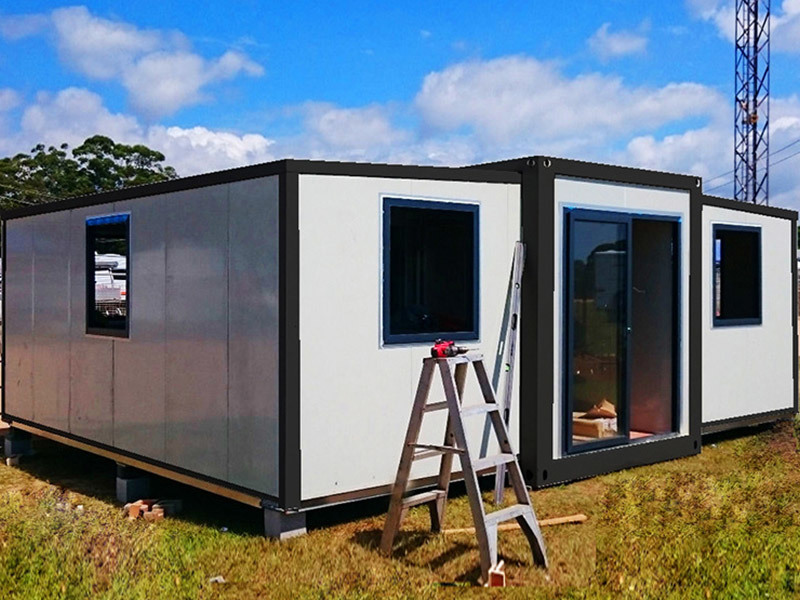
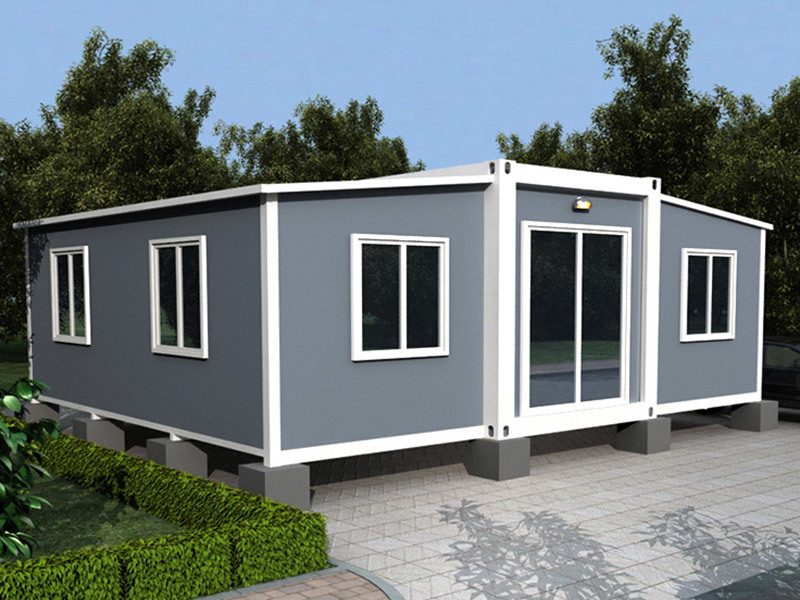
Foldable houses are innovative dwellings that can be collapsed, expanded, and transported with ease. Typically constructed from lightweight materials such as aluminum, steel, or high-quality plastics, these homes are designed to be both durable and efficient. Their modular construction allows for quick assembly and disassembly, making them an ideal choice for urban environments where space and time are critical factors.
4. Key Benefits of Foldable Houses
4.1 Space Efficiency
Foldable houses maximize usable space while minimizing their footprint. When not in use, they can be compacted to occupy a fraction of their expanded size, freeing up valuable land for other purposes. This feature is particularly beneficial in urban settings where every square meter counts.
4.2 Cost-Effectiveness
The construction and maintenance costs associated with foldable houses are often lower than traditional homes. Their efficient design reduces material waste, and the speed of assembly translates into substantial savings in labor costs. Moreover, their energy-efficient features help residents save on utility bills over time.
4.3 Eco-Friendly Design
Sustainability is at the core of foldable housing design. Many of these homes incorporate green technologies, such as solar panels and rainwater harvesting systems. Their ability to be easily relocated also means they can be used in various locations without leaving a significant environmental footprint.
5. How Foldable Houses Transform Urban Planning
5.1 Addressing Urban Density
Foldable houses provide a solution to the issue of urban density. By allowing for quick and efficient housing solutions, cities can better accommodate growing populations. These homes can be deployed in underutilized spaces, such as vacant lots or rooftops, helping to alleviate overcrowding in more developed areas.
5.2 Flexible Land Use
The adaptable nature of foldable houses allows for flexible land use planning. Urban planners can implement these homes in a variety of contexts, from transitional housing for the homeless to temporary shelters during emergencies. This versatility enables cities to respond swiftly to changing housing needs and urban dynamics.
6. Real-World Applications of Foldable Houses
Several cities around the world are beginning to integrate foldable houses into their urban planning strategies. For example, in Japan, foldable homes have been used as a response to natural disasters, providing immediate housing solutions for displaced populations. In Europe, architects are experimenting with modular folding designs that can be expanded or contracted based on seasonal demand, such as vacation rentals.
7. Challenges and Considerations in Implementation
While foldable houses present numerous advantages, there are challenges that must be addressed. Zoning regulations and building codes may not yet accommodate these innovative structures, requiring modifications to existing legislation. Additionally, public perception of foldable homes can be a hurdle, as some may view them as temporary or inferior to traditional housing.
8. The Future of Foldable Housing
The future of foldable housing is bright, with ongoing advancements in technology and materials. As urban populations continue to grow, the demand for flexible and sustainable housing solutions will only increase. Innovations in construction methods and smart home technology will further enhance the appeal of foldable houses, making them a staple in urban environments worldwide.
9. Frequently Asked Questions (FAQs)
What materials are used in foldable houses?
Foldable houses are typically constructed from lightweight, durable materials such as aluminum, steel, and high-strength textiles. These materials make transportation and assembly easier while ensuring longevity.
Are foldable houses environmentally friendly?
Yes, many foldable houses are designed with sustainability in mind, incorporating eco-friendly technologies such as solar panels, energy-efficient appliances, and materials that minimize environmental impact.
How long does it take to assemble a foldable house?
Depending on the design and complexity, a foldable house can be assembled in a matter of days or even hours, making it an efficient housing solution for urgent needs.
Can foldable houses be customized?
Absolutely! Many manufacturers offer customizable options, allowing homeowners to tailor the design, layout, and features to meet their specific needs and preferences.
What is the average cost of a foldable house?
The cost of a foldable house can vary widely based on size, materials, and customization options. On average, they tend to be more affordable than traditional homes, making them an attractive option for those seeking budget-friendly housing solutions.
10. Conclusion
Foldable houses represent a significant advancement in urban planning, providing flexible, cost-effective, and environmentally friendly housing solutions. As cities continue to grapple with rising populations and housing shortages, the innovative design of foldable homes offers a promising path forward. Embracing this new approach not only addresses immediate housing needs but also sets the stage for a more sustainable urban future. By integrating foldable houses into our urban landscapes, we can create adaptable living spaces that enhance the quality of life for residents while promoting responsible land use and environmental stewardship.
Hot Tags:
Contact Us
E-mail:
Phone/WhatsApp:
Address:
No. 132 Renmin West Road, Fucheng County, Hengshui City, Hebei Province